Sarah Dai · · 3 min read
US mulls curbing China surveillance group Hikvision’s ability to buy US tech
The US administration is ratcheting up pressure on China’s technology champions amid reports that it is also considering restrictions on the ability of video surveillance group Hikvision to buy American products.
The move would likely inflame tensions between the world’s two biggest economies.
Coming hot on the heels of US President Donald Trump’s decision to add Huawei to a US trade blacklist, which is threatening to put the Chinese telecoms giant out of business outside of China, it is now looking at similar limits on Hikvision, The New York Times reported on Tuesday, citing people familiar with the matter.
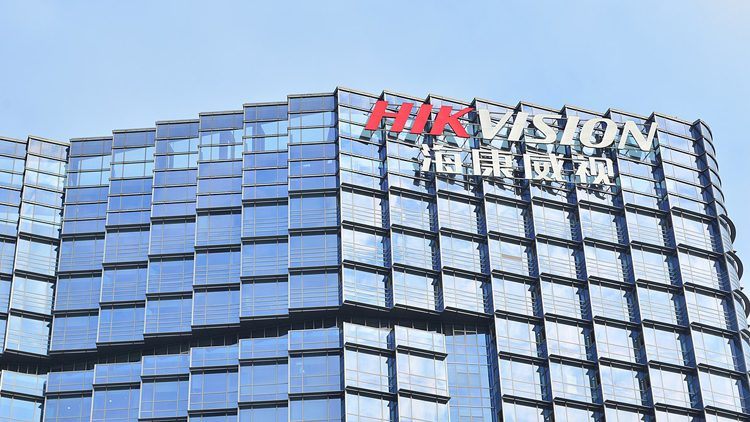
Hikvision headquarters in Hangzhou / Photo credit: Wikipedia
In response to a request for comment on Wednesday, a spokeswoman for Hikvision said the company was holding an emergency meeting without elaborating further.
Hikvision is one of the world’s largest manufacturers of video surveillance products and is central to China’s ambitions to be the top global exporter of surveillance systems. The US Commerce Department may require that American companies obtain government approval to supply components to Hikvision, limiting the company’s access to technology that helps power its equipment, according to The New York Times.
In the span of two weeks, Trump has raised tariffs on US$200 billion worth of Chinese goods, threatened to tax all imports, and taken steps to cripple Huawei by adding it to an “Entity List,” which effectively bans them from buying US technology. China has promised to retaliate against American industries.
If the US takes measures against Hikvision, one of China’s up-and-coming tech champions, it would also mark the first time the Trump administration has punished a Chinese company for its role in the surveillance and mass detention of Uygurs, a mostly Muslim ethnic minority, by China’s authorities.
US Administration officials could make a final decision in the coming weeks, The New York Times reported.
The combination of more traditional surveillance equipment with new technologies like AI, speech monitoring, and genetic testing is helping make monitoring networks increasingly effective – and intrusive. Hikvision says its products enable their clients to track people around the country by their facial features, body characteristics, or gait, and monitor activity considered unusual by officials such as people suddenly running or crowds gathering.
Last year’s US trade blockade of ZTE, which brought the Chinese telecom gear maker to its knees, and the current attacks on larger rival Huawei are the opening salvos in a tech war that the current administration is determined to pursue even if the two countries come to a truce on the trade dispute, according to sources familiar with US policy thinking.
Attitudes toward China have hardened and the emerging consensus in the US is that China should be treated as a strategic competitor as its technological ambitions pose a direct threat. The US has also said Huawei poses a national security risk given deep ties between the Chinese government and industry, along with laws that could require Chinese firms to hand over information if asked.
China has begun exporting surveillance technology to nations that seek closer tabs on their citizens, including Ecuador, Zimbabwe, Uzbekistan, Pakistan, and the United Arab Emirates.
The surge in China’s surveillance industry comes after 2015 guidelines from the National Development and Reform Commission, China’s top economic planner, plan for the country to set up an “omnipresent, fully networked, always working and fully controllable” video surveillance system nationwide at “all levels” by 2020.





Stay updated on the go with our mobile app.
Get latest insights with smoother, more personalized experience through TIA mobile app.