 Osman Husain · · 5 min read
Dave McClure: having fun and being silly is at the core of 500 Startups
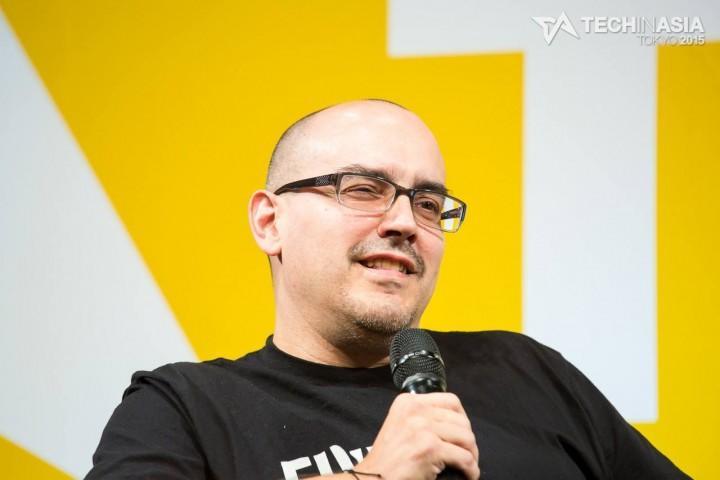
Dave McClure, founding partner at 500 Startups, needs no introduction. The opinionated VC is a regular speaker at tech conferences around the world, has a widely-read and influential blog, and is doubling down on portfolio companies in Asia. Dave started out as a programmer, then changed gears to entrepreneurship, and afterwards headed marketing for PayPal. Today his VC firm and startup incubator, located in Silicon Valley, boasts US$200 million of assets under management, with it’s most successful exit MakerBot sold for US$402 million to Stratasys. It’s certainly been a whirlwind 25-year journey for the self-confessed “internet marketing nerd.”
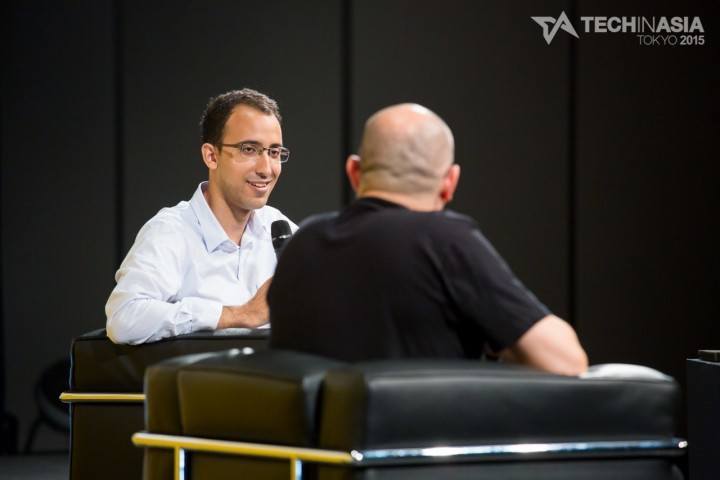
Speaking last week during a fireside chat at Tech in Asia Tokyo 2015, Dave outlined why he chose to start a new adventure as a venture capitalist. “There was a different type of investor we wanted to see out there. Founders need services other than money,” he explained. “We are startup zero. We want to be a global firm and are trying to build that for the past few years.”
Dave spoke candidly about how the VC ecosystem isn’t much different from tech startups themselves. He said many VC firms also fail and admitted that 500 Startups “had its moments.” Further, getting a fund off the ground is the most difficult bit. The size of 500 Startups’ first fund was US$29 million, but getting investors to “write the first cheque” is always the hardest, he said. “There’s a lot of hustle […] it’s tough to get people to invest in a first time VC because there’s not much traction to speak of,” he noted.
Even now, after several years of operations and three main funds under management, it hasn’t gotten much easier, said Dave. “We do things differently from other VCs and it’s difficult to explain that to investors.”
But how exactly is 500 Startups different from other VC firms? According to Dave, the primary differentiator is the sheer number of investments they make. So far the firm has participated in 1,200 funding rounds, and crossed the 1,000 barrier earlier this year. One of their KPIs is the number of startups in their portfolio list. “We want to make money, make returns for our investors. Everyone’s hunting for unicorns but those don’t happen very often,” he elucidated. “Even [VC firm] Sequoia doesn’t find it more than 5 to 6 percent of the time.”
For Dave, the commonly-held view of a “good VC” is to make one or two decisions per year, have 30 to 40 portfolio companies, and to help steer the direction of the startup by getting a seat on the board. But that’s not a “very reliable structure” and “the equivalent of gambling,” he said. “We take a different approach of investing in several hundred companies as that’s a more predictable way of [achieving] success.”
The decision to focus on scale was also an early differentiator. “VC as an industry is all about scaling up, but VC firms themselves haven’t taken it to heart. We started off with five people on the team and now we’re 85. We have a consistent style [of investing], focusing on startups with a functional product, early traction, and clear growth strategy,” he said.
Why did 500 Startups look outside the US?
Dave, who says his firm is the most active international VC in the US, explained that they had intentions of investing internationally from the very beginning. “There weren’t many people in Silicon Valley investing abroad. This was an opportunity for us,” he stressed. “There were lots of innovation in Silicon Valley but more growth in other parts of the world.”
He explained a core element of 500 Startup’s strategy is to rely on their team on the ground. These consist of local speakers and natives of the country. Combined, all partners speak 20 different languages which helps them identify possible winners at an early stage.
I would say having fun and being silly are both core values [of our firm]. We actually think that if we’re going to do the work we have to do then we have to have fun. Certain investors and certain people don’t feel that’s the proper approach. That’s not our game, we’re not trying to impress anyone. We’d rather impress people with what we do than with the clothes we wear.
Founder-first approach





Stay updated on the go with our mobile app.
Get latest insights with smoother, more personalized experience through TIA mobile app.











📅 Upcoming Events
22 October 2026
Payoneer x CSPN Summit 2026