J.T. Quigley · · 7 min read
‘Worst product ever’? Ring CEO responds to the crowdfunded wearable’s critics
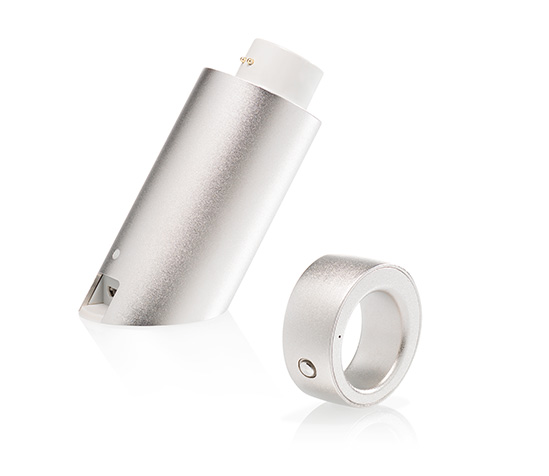
Crowdfunding platforms allow anyone with an internet connection to become a quasi angel investor. Putting up your hard earned cash for an idea or a prototype is a gamble. When it comes to hardware, especially, backers often function as the R&D department for a startup that doesn’t have the funding to do it themselves. If you’re expecting a polished, perfect piece of tech from a crowdfunding campaign, I’ve got a bridge to sell you.
This past weekend saw some of the harshest criticism ever generated from a Kickstarter campaign. Ring, a ring-shaped wearable device that uses gesture controls to perform a variety of tasks, was lambasted in the western media for falling short of its promise to “shortcut everything.” Gizmodo – which doubted Ring from the outset – used the gadget as an example of why not to trust Kickstarter videos, complete with the word NOPE at the top of the page (with Ring spelling the O). Snazzy Labs, in a YouTube video that has generated more than a million views since Saturday, called Ring the “worst product ever made.”
Tech in Asia sat down with Takuro Yoshida, the CEO of Tokyo-based Logbar – the startup behind Ring – to give him an opportunity to respond to both critics and unhappy users.
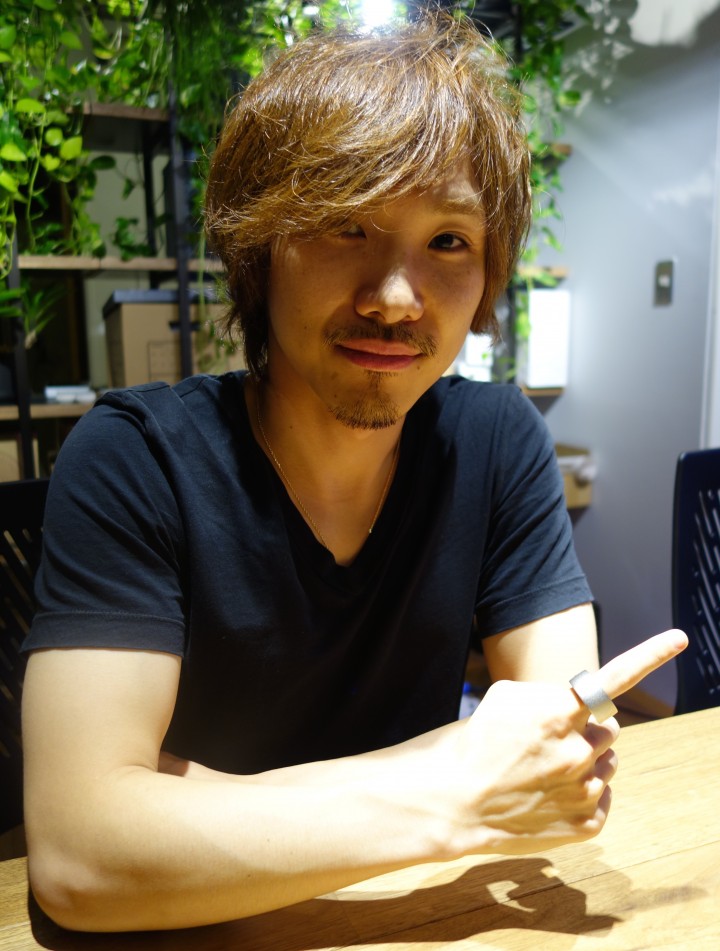
Yoshida, 29, greeted me with Ring on his finger, resembling a fashion model more than a tech geek. I asked him to start from the beginning, before the Kickstarter campaign even launched.
“About a year ago, I used to run a bar in Shibuya,” he explains. “I gave iPads to every customer so that they could order and share what they were drinking on social media to get a virtual ‘cheers’ from their friends. I wanted to find a unique way to connect people with technology – on a bigger scale than my bar, a global scale – and decided that I would have to design a new kind of communication tool.”
Yoshida had been a programmer and engineer since age 20, but his hardware expertise was limited to tinkering with Arduino at home. Taking note of the rise of devices like Fitbit and Glass, he decided to pursue the wearable form factor.
“I realized that a ring would be the perfect fit, because we as human beings can already express ourselves through moving our fingers,” Yoshida says.
He started prototyping Ring in early 2013 with a co-owner from the bar. The duo attracted an undisclosed amount of money from an angel investor before deciding to launch a Kickstarter campaign last February. Yoshida says his video was rejected twice before getting onto the crowdfunding platform. The final version featured a mockup, using gesture controls to do things like turn on/dim lighting, play music, and even make a mobile-to-mobile payment with the flick of a finger.
While crowdfunding sites are usually full of “vaporware” – hardware mockups without a physical prototype – Yoshida insists that his team had both a functioning prototype and a manufacturing partner selected before the campaign went live.
“By the time we launched our Kickstarter, we were on the seventh or eighth version,” he says. “Yes, it was huge, but it got smaller each time.”
Hardware hiccups
Practice makes perfect
Undeterred





Stay updated on the go with our mobile app.
Get latest insights with smoother, more personalized experience through TIA mobile app.