 J.T. Quigley · · 7 min read
Fove’s eye-tracking headset aims to shake up VR, launches on Kickstarter
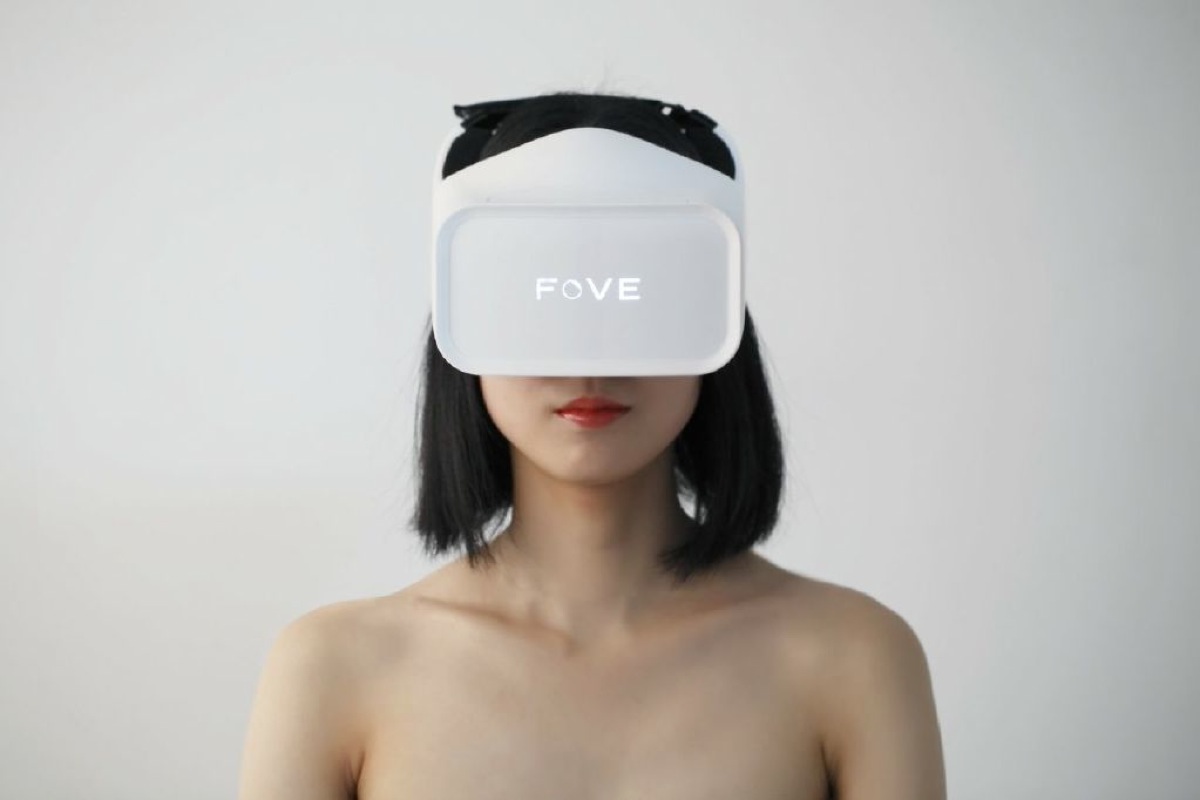
Update: Fove has reached its Kickstarter goal as of 6:47 pm JST on Friday, May 22, just three days into its 45-day campaign. Oculus managed to raise US$400,000 during its first 24 hours on Kickstarter, but it’s still exciting to see an Asian competitor hit its target so quickly.
Forget the cheesy 80s movies and failed attempts of the 90s – virtual reality (VR) is back, with current technology finally ready to match its science fiction-level ambition. The resurgence of virtual reality gizmos aimed at gadget buyers like you and me, in the form of head-mounted displays (HMDs), is being led by Oculus VR. The company launched a Kickstarter campaign for its gaming-focused development kit, dubbed the Oculus Rift, in 2012. Its goal was to raise US$250,000. Backers ended up pledging more than US$2.4 million. Oculus, and the VR revolution the company appeared to be ushering in, has met its fair share of skeptics. Many were silenced last June, when social media behemoth Facebook finalized its acquisition of the company for a staggering US$2 billion.
Even before Facebook’s surprise acquisition, Oculus had piqued (or, perhaps, re-piqued) consumer interest in virtual reality. Sony entered the budding space with the announcement of its Project Morpheus headset in March last year. Facebook chairman Mark Zuckerberg allegedly tested out Sony’s VR hardware, designed for its Playstation 4 console, a week before announcing his company’s intent to buy Oculus.
Just a month after Morpheus’ unveiling and Facebook’s shock announcement, a silent competitor to both was setting up its office at Tokyo University’s Intellectual Backyard startup incubator. Fove – named after “fovea,” the part of the human eye that gives us the sharp central vision necessary for tasks like reading, driving, and, of course, playing video games – wants to revolutionize the resurgent VR platform by integrating advanced eye-tracking technology into its own headset.
Today, after months of preparation, Fove is launching a crowdfunding campaign on Kickstarter, seeking to raise US$250,000.
Little cameras
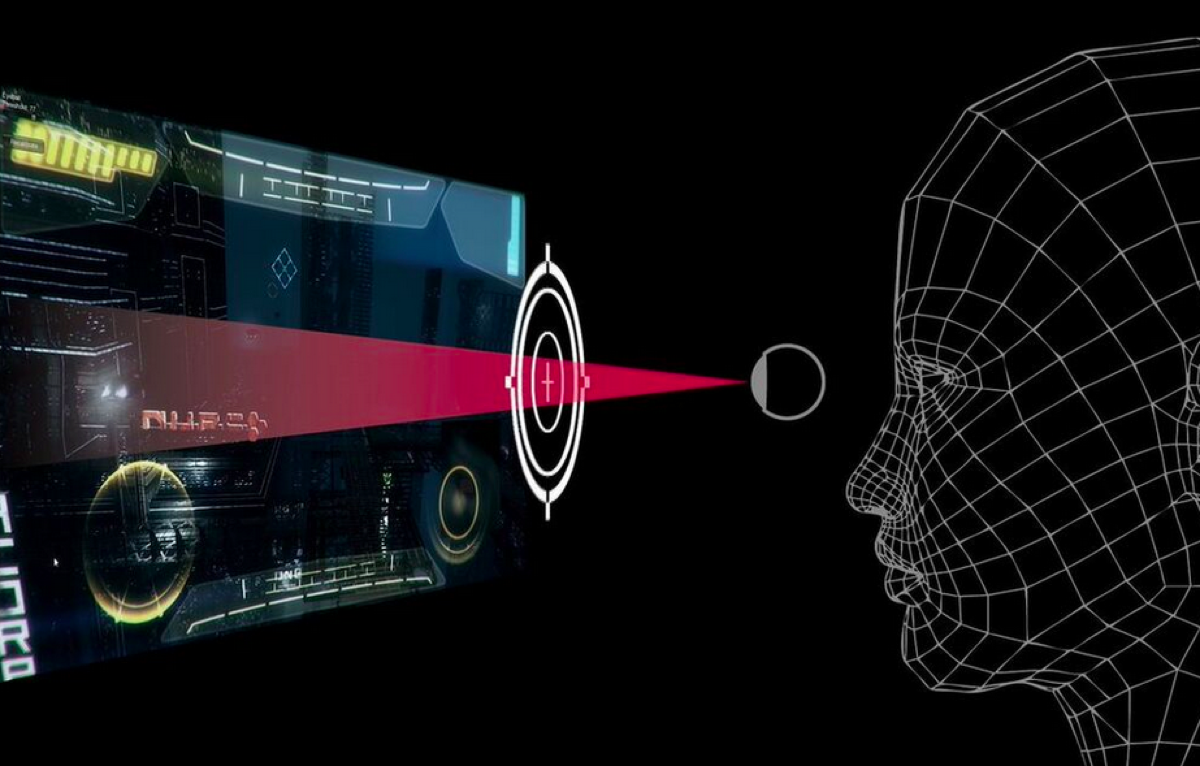
So how does eye tracking work and how can it complement the virtual reality experience?
“Fove uses infrared light to illuminate your eye, regardless of eye color,” Lochlainn Wilson, Fove’s CTO, tells Tech in Asia. “The iris reflects the same light pretty much across all of humanity. There are little cameras looking at your eye, but they’re not visible, and they track your eye movements.”
While headsets like Oculus and Morpheus display everything in the virtual environment in sharp focus – imagine a wrap-around HDTV – Fove’s eye-tracking technology recreates the depth of field that human eyes see naturally. For example, if a person holds his hand up to his face and focuses on his palm, everything behind the hand becomes blurry. This effect is achieved on Fove’s 2560×1440 display thanks to a graphics engine that adjusts its focus based on where a user is gazing in real time.
The eye-tracking cameras are combined with an accelerometer for orientation sensing and head tracking, which allows a user to move their head to manipulate the 360-degree view while still controlling virtual interactions with their eyes.
For gaming, specifically, eye tracking has many benefits.





Stay updated on the go with our mobile app.
Get latest insights with smoother, more personalized experience through TIA mobile app.









📅 Upcoming Events
22 October 2026
Payoneer x CSPN Summit 2026