This guest story is by Guyi Shen, co-founder of lobangclub, he blogs about his experiences at insidestartup.sg.
 A quick look at the 52 exhibitors on Echelon 2011’s site and you will realize the majority of the start-ups are primarily relying on network effects as a major part of their product growth.
The current meme in the start-up community (in Singapore, at least) is the “Lean” start-up concept. Unfortunately, the current “Lean” approach doesn’t work for network effects startups.
Lean is a method of testing the assumptions and hypothesis of a business idea in an iterative manner whilst validating your product/market fit before you ship a complete product. The popularity of the method stems from the promise that it “de-risks” the product development/marketing so that significant funding is raised after product/market fit in order to scale the business.
Going Lean
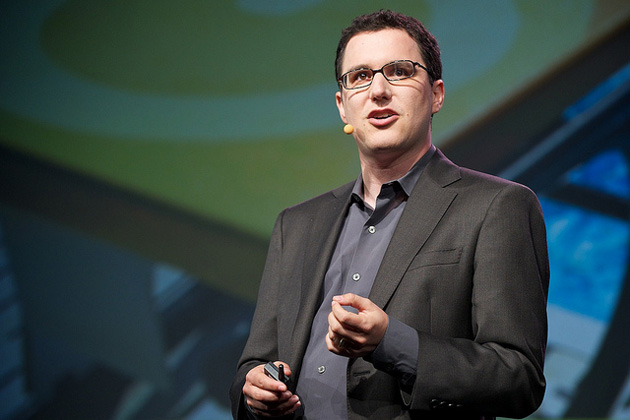
Eric Ries, Credit: Bootstrappedstartups
Lean as a philosophy is great – however in practice it is severely lacking right now with respect to network effects startups. Mostly because the user acquisition phase (i.e. scaling) has always been seen as something you do after you achieve product/market fit. My opinion is that scaling is something you must do before you reach product/market fit.
Eric Ries coined the term “Lean”, but the founding father of Lean is Steve Blank and the Lean manifesto is his book – Four Steps to Epiphany. The philosophy of Lean can be described as using the scientific method of hypothesis generation (a creative process), and experimentation (a logical process) to invalidate assumptions. The vast majority of “Lean” practices to product development were designed by entrepreneurs working on software that doesn’t rely on network effects. Current thought leaders in “Lean” methodology include Steve Blank, Ash Maurya, 37 Signals, and Eric Ries. However the majority of current discussion explicitly ignores the unique challenges of products that rely on network effects.
Network vs Non-network effects Start-ups

Because of this fundamental distinction between network effects and non-network effects start-ups, there is now a tendency to apply the wisdom that worked so well for enterprise software to network effects consumer start-ups, which does not necessary translate. Ironically, one of the thought leaders in this space, Eric Ries himself was CTO of a network effects startup, IMVU.
More specifically, let’s bring our discussion around the essence of “Lean” – Customer development. The premise is that by questioning and testing the underlying assumptions of your customer’s problems, your solutions, your business model, and you are more likely to build a product that people will use. Fantastic premise, however all the case studies, processes, practices currently en vogue in the “Lean” community are based around enterprise/consumer products without strong network effects. The fundamental difference is that for a network effects startup, a large part of the value to the user can only be felt after achieving the network effects. Therefore, the core assumption of your product value can only be tested after attaining a critical mass of users.





Stay updated on the go with our mobile app.
Get latest insights with smoother, more personalized experience through TIA mobile app.