Annie Teh · · 6 min read
Korea wants to build your startup. Here’s their pitch.

In the ‘Information Age’ bombs and missiles are being replaced by robotics and the Internet of Things, as nations sprint to become the innovation capital of the world.
This is especially true in Asia. Hong Kong began construction of their Cyberport, a digital content community, in the ’90s and in 2015 announced a US$257 million fund for startups. India took it up a notch by providing 33 of their cities funding to become smart cities.
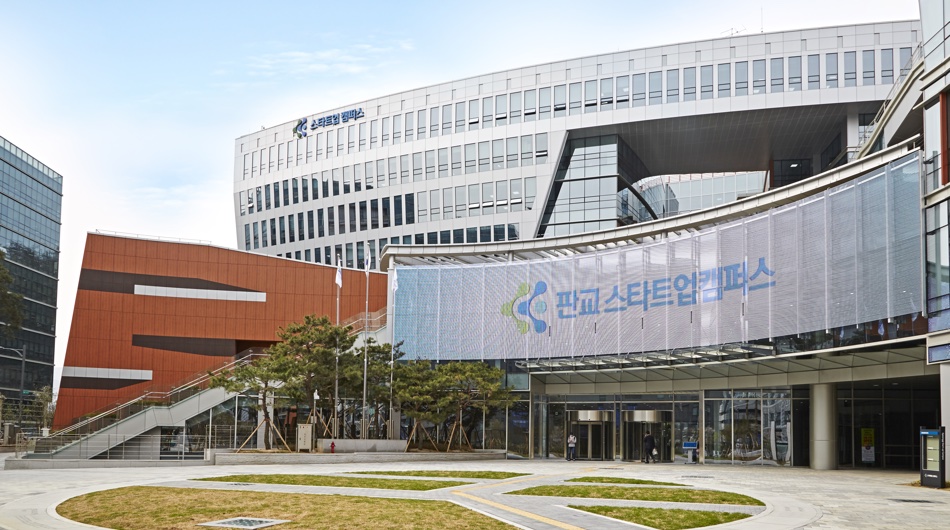
Techno Valley Campus in Pangyo, South Korea
Amidst these contenders, South Korea is one to watch. Korea has been named the world’s most innovative country on the Bloomberg Innovation Index and tops the International Innovation Index. Korea also completed building Seongdo, the world’s first smart city last year.
With billions being pumped into innovation and their creative economy, Korea is now looking like an attractive place for startups.
Creating more diversity
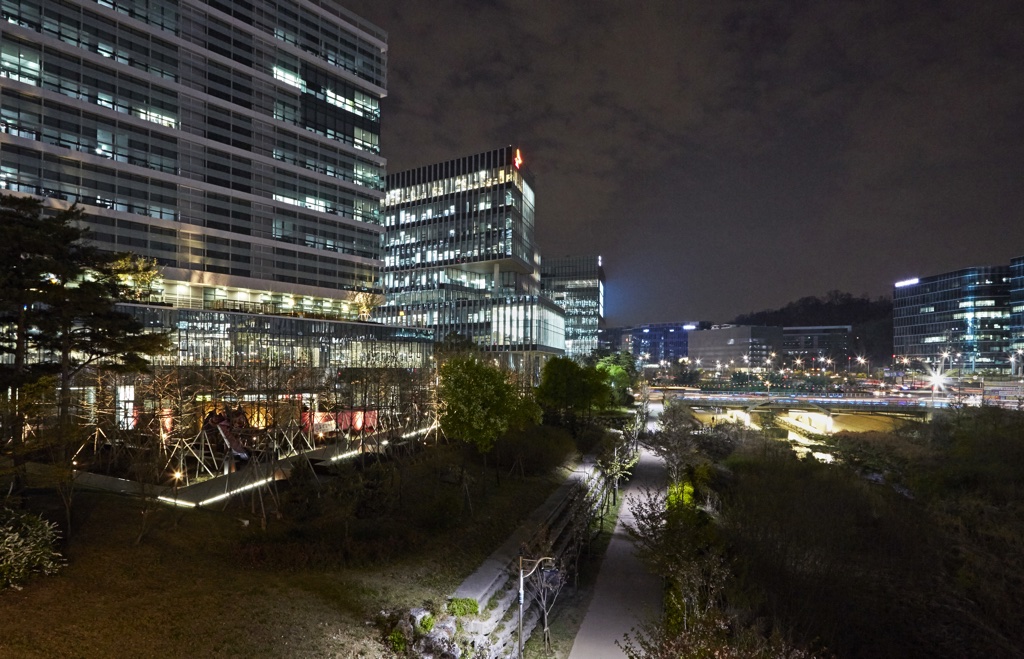
Pangyo, South Korea
Part of Korea’s plan in 2016 is to attract international startups. The country’s ambitious new program — the K-startup Grand Challenge— aims to bring startups from around the world to expand into Asia through Korea.
Representatives from the Ministry of Science, ICT and Future Planning (MSIP), the National IT Industry Promotion Agency (NIPA), and four accelerators will select 160 startups to participate in worldwide online and offline pitch competitions to choose 80 semi-finalists. They will each send a representative to Korea for a week of pitching and interviews before 40 finalists will be invited for a three-month acceleration program in Seoul. Three sets of return flights, a US$4,100 monthly living stipend and visa support will all be provided.
The 40 startups will also gain access to offices and lab space at the US$160 million startup campus in Pangyo City’s Techno Valley, home to over 1,000 startups and some of Korea’s biggest tech companies. Startups will be able to make use of the prototyping, 3D printing, and hardware development facilities. 14 of Korea’s top tech conglomerates will lend mentors to the program, giving startups access to technical expertise from some of the country’s top engineers and developers.
At the end of the program in December, there will be a demo day, after which the top 20 startups will each receive approximately US$33,000 in no-strings-attached funding. The top four startups will receive between US$6,000 and US$100,000 on top of that.
While Korea has been ploughing money into domestic startups since 2013, K-startup Grand Challenge will be the first time the government will directly support foreign startups, according to MSIP director and spokesman Chang-yong Ahn. They’re also planning to make this an annual event.
“Most innovation is borne from diversity – just look at Silicon Valley,” says Ahn. “At this stage the startup and business ecosystem in Korea lacks a high level of diversity and K-Startup Grand Challenge is one step towards creating a more diverse business environment in Korea.”
Bringing startups to the candy shop
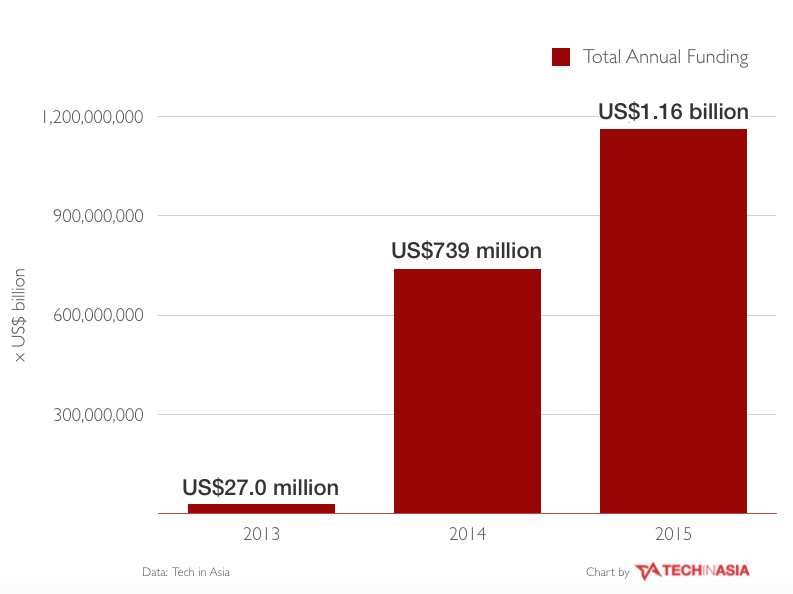
Total funding growth in Korea has grown exponentially.
Korea’s startup ecosystem has been on a steady rise these past few years. Bolstered by the creative economy of the Park Geun-hye Administration, more locals have been inspired to choose the path of entrepreneurship. According to Tech in Asia’s own data, funding for Korean startups has exponentially grown from a mere US$27.0 million to US$1.16 billion in the last two years.
Founded in 2012, Yello Mobile is arguably Korea’s most famous startup and has already expanded their reach into Southeast Asian markets. At the time of their last funding and has been valued at US$4 billion. Coupang, Korea’s answer to Amazon, has raised around USD$1.4 billion in the last two years and is valued at US$5 billion.
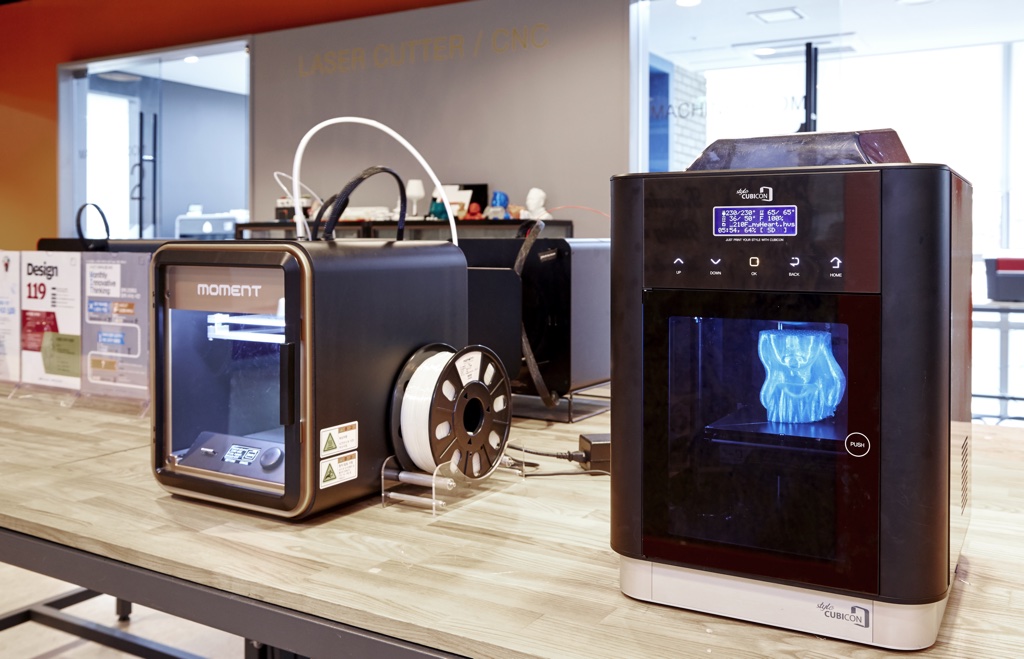
3D printing facilities available at the Techno Valley Campus in Pangyo, South Korea
Government focus has also shifted to supporting startups, making Korea an increasingly attractive place for startups to be in. In January this year, the government pledged to elevate Korea to a top seven position globally for startup accelerators. As of 2015, there were 60 domestic accelerators and both private and public sector forces are working to expand the startup ecosystem to make it the best test ground for innovative ideas.
The country already has the technology infrastructure, including LTE that blankets every corner of the nation, and a population with the world’s second highest smartphone penetration. For startups looking to tap into the Asian population, Korea also makes a convenient launching point, being a mere two-hour flight from 1 billion people in North-East Asia.
Korea is also home to Pangyo, it’s largest startup complex. Just 14 minutes by subway from Gangnam, Pangyo will see US$66 billion of public investment in 2016, most of which will go into new economic growth engines, including smart cars and software.
Chaebols are also seeing the shift, and they’re working with the Korean government to lend support for startups. As outlined in Korea’s Ministry of Science, ICT, and Future Planning “Future Wealth Business Plan 2016”, 17 innovation centers have been set up in major cities across the country. Each center has partnered with a Korean conglomerate to offer workspace, support, and special funding for promising startups.
According to the Korea Herald, the government plans to shift its focus away from heavy industry, the backbone of the Korean economy in previous decades, and onto innovation led by medium to small businesses.
With so much to take advantage of, Korea is beginning to look to budding startups like a fully-stocked candy shop. Goodies are ripe for the taking — all you have to do is ask.
K-Startup Grand Challenge is a new initiative in Korea to attract startups from around the world to Seoul, for three months of all expenses paid acceleration. Operated by the Korean government, 14 of Korea’s top companies and four local accelerators the program will provide flights, a monthly stipend for living expenses, office and R&D space and investment opportunities for 40 startups. At a demo day in December startups have the opportunity of securing additional grants of up to USD$130K. Mentorship and connections will be provided from some of Korea’s most successful companies in a rare chance for startups to directly access decision makers in companies like Samsung, LG Electronics, Naver and Kakao. The program will close applications on June 14th 2016 and the acceleration period in Seoul will span three months between August and November 2016.
Any startup from around the world is welcome to apply, though there is a preference for tech startups with high growth potential and a demonstrable interest in Korea/Asia. To apply or for more information visit the official program website here or watch this short video about the program.

Stay updated on the go with our mobile app.
Get latest insights with smoother, more personalized experience through TIA mobile app.
Recommended reads
 Y Combinator cuts cohort size by 40% amid market downturn
 GoTo, Xendit backer launches second batch of climate crisis program
 25 and living the startup dream
 Investors keeping hope alive in Hong Kong
 Can Sociolla’s supporting features take center stage?
 New SOSV program announces inaugural cohort
 The VCs helping to fuel Japan’s startup ecosystem
 Regional Founders Meetups: how it went and what’s next
 Tech in Asia Conference 2022 – the reunion we’ve been waiting for
 How Asia’s family offices could be a $1.9t play for tech startups