 Jonathan Chew · · 6 min read
The key to maintaining maximum uptime in your software

Take a look at your phone and try to guess how many apps you have.
10? 15? 30?
According to this report, the average person has about 40 apps installed on their smartphone, with the figure going up to 67 for millennials.

Photo credit: Shutterstock
Even though we might not actually use all of these apps every day, it underscores just how much of our daily lives revolve around using software, from going places and managing our finances to keeping track of news and entertaining ourselves.
“I think a lot of people take software reliability for granted,” says Rajeev Vasisht, co-founder and CEO of software reliability platform Watermelon. “They only realize how important it is when things go horribly wrong, like if they’re stuck somewhere and the app to book a cab just keeps crashing.”
Businesses aren’t that different, either: The average firm uses a whopping 112 software-as-a-service applications, according to a report by BetterCloud.
Now imagine if half or even just a quarter of apps were to suddenly fail at any given time. This would surely result in chaos, especially for unprepared firms. That’s why ensuring that applications are robust and reliable has always been an invisible but critical element of any modern tech solution.
Pushing down on me, pushing down on you
In an ideal world, engineers write code with reliability built in. However, speed is paramount in the startup world, and they’re constantly under pressure to ship products as soon as possible.
Consequently, reliability falls to the wayside as features and functions take priority. Down the line, this can cause applications to crash or bug out more than they should.
“When they’re coding, how often would they actually look at graceful degradation?” Vasisht points out, referring to the design principle of building applications that can still function even if multiple components aren’t working.
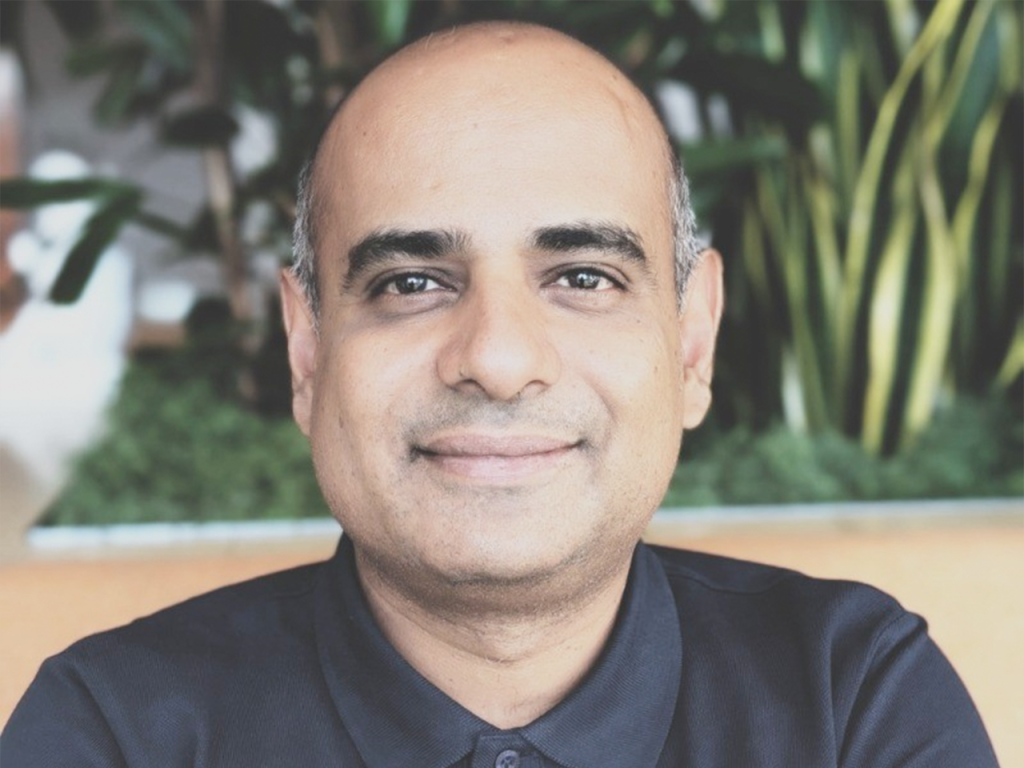
Rajeev Vasisht, co-founder and CEO of Watermelon / Photo credit: Watermelon
He notes that streaming giant Netflix implements this principle well. “Have you ever noticed that Netflix often shows you content in certain categories, but the order in which they’re shown is not always the same? That’s because they’ve taken certain parts of the code offline for maintenance, but the user doesn’t realize it because the platform still runs smoothly.”
The problems that arise from the lack of in-built reliability are often exacerbated by the fact that many modern applications are effectively a collection of microservices, relying on various API integrations. So when an error occurs or a component fails, engineers don’t have the visibility into their application infrastructure to know what the root issue is.
“Just from a development perspective, there’s so many things that can be improved,” Vasisht says.
Covering all your bases
To achieve reliability, thorough testing is a crucial step. Vasisht draws a comparison to how car safety has improved over the last 70 years.
“It boils down to the concept of crash testing – subjecting cars to all sorts of stress and crash analysis,” he says.
The same principle should be applied to software too, but it’s often extremely difficult to stress test the hundreds – if not thousands – of possible workflows present in modern apps. Take the example of purchasing an insurance policy online.
“Even though the overall objective of buying a policy is the same, everyone’s path to completing the application will be different as we all have different backgrounds and needs,” Vasisht explains.
Manually testing everything is effectively out of the question. It is possible for engineers to automate testing instead, but doing so usually requires them to either find robust open-source tools or code the process themselves, neither of which are ideal options in a fast-paced environment.
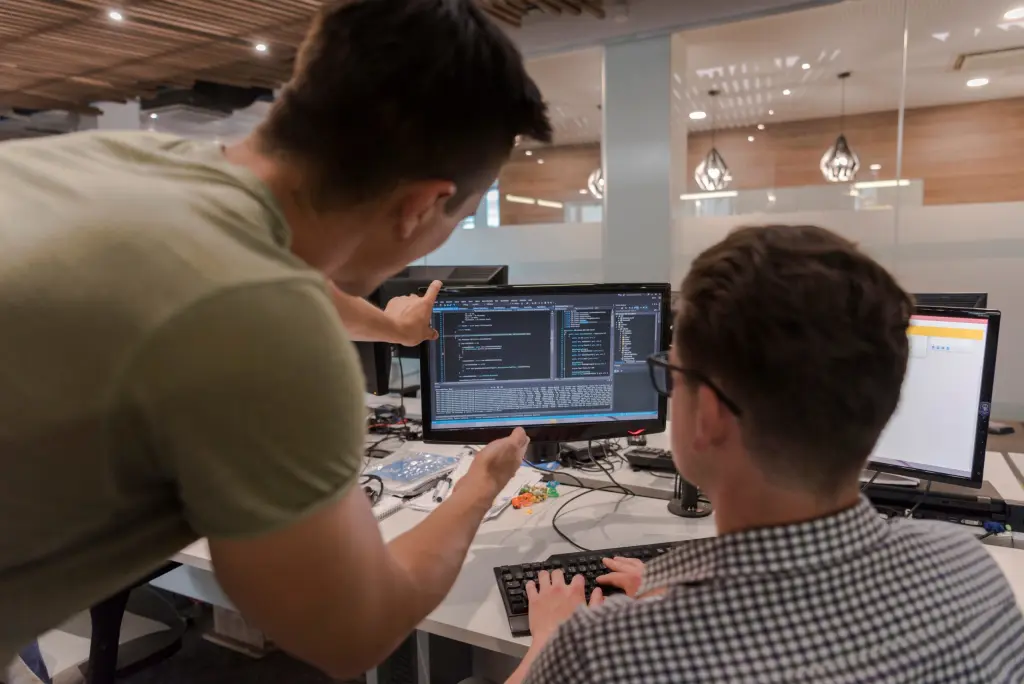
Even if they did have time, a lot of the information on how to test modern apps properly is siloed because they consist of so many third-party services.
“For example, look at the journey to transfer funds on a mobile banking app. There’s the mobile app itself, which then needs to talk to the back-end, make API and database calls. Then the app has to apply any potential foreign exchange conversion rates before finally sending an email to notify you,” Vasisht says.
As a result, the engineer trying to test one portion of the app wouldn’t have the skills or knowledge to test the entire software from end-to-end, making it a half-measure at best.
We’re all in this together
To make automated testing effective, it will take more than just engineers.
Vasisht believes a better approach is for everyone, even those with zero coding skills, to contribute. That applies to anyone from product managers and owners to even the C-suite, he adds.
There’s one technology that can enable that effectively: AI. Companies can harness algorithms to analyze their tech stack and generate functional tests instead of relying on additional manpower.
For instance, Watermelon offers no-code modules that can help teams test their code automatically. Spreading the workload in this manner allows companies to build more effective internal processes to maintain software reliability.
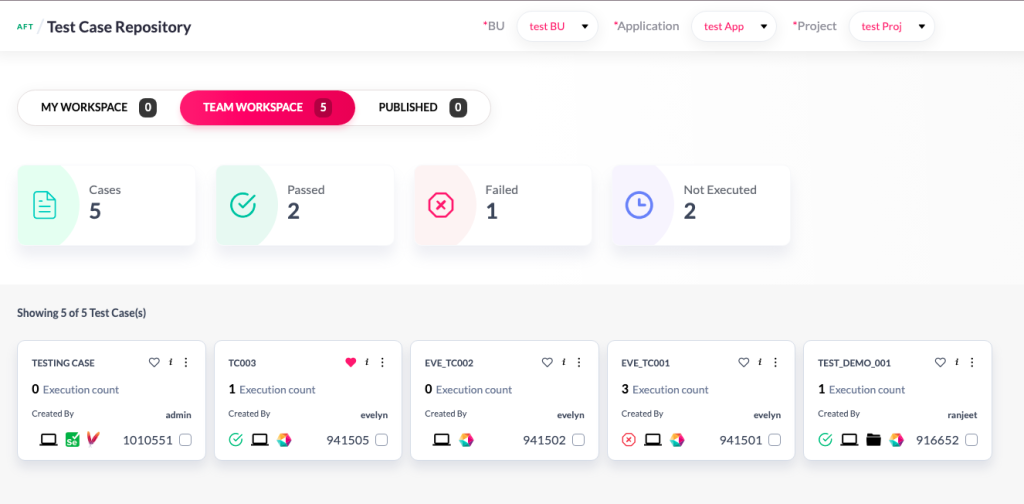
The dashboard for Watermelon’s testing platform / Photo credit: Watermelon
AI-powered data analysis could even help firms predict periods of high usage that can put a strain on their apps’ reliability. Companies can then allocate manpower in advance to double-check everything before “all hell breaks loose,” the CEO adds.
Last but not least, continuous stress testing through AI automation means that companies can get regular updates on what percentage of their apps are functioning properly at any given time. This can help firms identify and respond to errors or nonfunctional components more quickly, as well as understand how and where to improve their infrastructure.
“It’s just like going to the doctor,” he says. “You have to know what your internal problems are before you can start figuring out how to get better.”
Get on board
Over the next few years, reliability will become even more important because users’ requirements are getting more stringent, according to Vasisht.
“A couple of years ago, a CIO told me they wanted a particular journey in their app to take 20 seconds,” he shares. “Now, the same CIO is saying the same journey should be under 10 seconds. That’s the expectation of customers now.”
He wants business leaders to know that ensuring software reliability is something that everyone faces. and that there’s no shame in acknowledging and rectifying it.
“Even companies with the best engineers like Google out there will face these challenges,” he says. “But implementing it is a long process, so leaders need to embrace a longer journey with multiple smaller goals and milestones.”
IMDA Spark aims to address the key challenges and support the growth of infocomm and media startups in Singapore by providing selected government tools as well as creating a vibrant, collaborative ecosystem and network.
Looking to tap into opportunities in the city-state? Check out the Spark website and learn more about what the program can do for your startup.
Watermelon Software is a global, AI-led software reliability platform. Connect with the company through its LinkedIn page here.
This content was produced by Tech in Asia Studios, which connects brands with Asia’s tech community. Learn more about partnering with Tech in Asia Studios.
Stay updated on the go with our mobile app.
Get latest insights with smoother, more personalized experience through TIA mobile app.
Recommended reads
 Indonesian AI startup goes global
 Forrest Li on scaling Sea, building smarter bots, and founder grit
 An AI assistant that joins sales calls and scores team skills
 SGX’s CEO says it doesn’t need a unicorn to win
 SMEs want AI too, but not the kind Big Tech is selling
 Oatside’s alt-milk rise hits a profitable gear
 Alibaba’s financial health in 12 charts
 Asia’s telcos bundle AI into mobile plans. Will it pay off?
 M-Daq chases bigger clients as revenue falls, losses grow
 VC tracker: Accel raises US$3.5b, including US$550m for India





Editing by Winston Zhang and Eileen C. Ang
(And yes, we’re serious about ethics and transparency. More information here.)




