- Insights This article was written by a TIA community member. Insights pieces undergo the same rigorous editorial process that newsroom-produced articles have.
 Joseph Phua · · 5 min read
Term sheets are financial instruments, not moral statements
In recent days, the tech ecosystem has seen a heated debate around the morality of “predatory or unfair” VC terms. It’s an important conversation, but also one that risks oversimplifying the reality of venture financing.
I haven’t seen the term sheet in question, and I don’t know those involved or the full context of the situation that sparked this conversation. Rather than comment on that specific incident, I’m more interested in a broader look at how term sheets in venture capital are viewed.
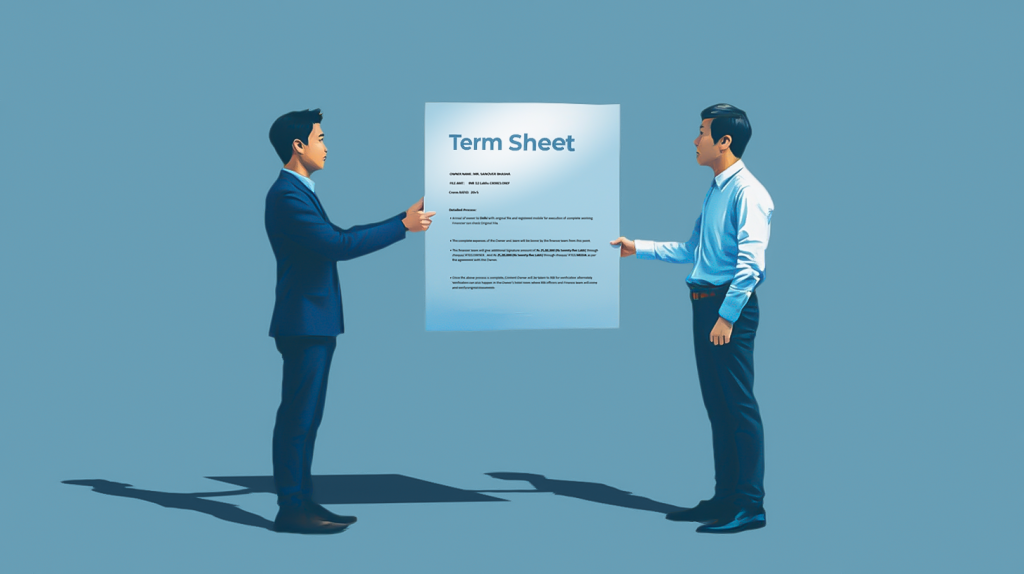
Image credit: Made by Tech in Asia, with the help of AI
Terms are not moral statements but financial instruments. And in any financial transaction, context, intent, and leverage matter more than optics.
Excuses running thin
I raised my first external funding more than 10 years ago, when my company was a week away from missing payroll. The funds came from an angel investor who required a personal guarantee and an aggressive liquidation preference.
You could argue the terms were harsh, but I signed them with eyes wide open, as I understood what it would take to keep my company alive at that moment. The tradeoff was mine to make.
That deal gave us just enough runway to raise our first institutional round, which was a far more complex process. Fortunately, the investors walked me through the term sheet clause by clause with patience and clarity.
They didn’t have to go above and beyond like that, and I appreciated that deeply. But just because some investors do that doesn’t mean those who don’t are being unfair.
Across my career, I’ve raised over US$200 million and have seen term sheets from both sides of the table. That’s helped me realize that aggressive terms aren’t predatory or unfair by default.
See also: Founders fume over Malaysian VC’s term sheet
Today, founders have fewer excuses, as AI-powered tools can scan a term sheet and flag risks or deviations from market norms in minutes. If you’re raising capital and haven’t taken time to understand the terms you’re signing, that’s not on the investor – it’s on you.
Founders must educate themselves on how term sheets work, just as they have to learn how to manage a team, build a product, or understand a balance sheet.
Terms are negotiations, which means leverage is involved. If the founder doesn’t like the terms, they can walk away. And if they don’t have the leverage to do so, that’s not unfair – it’s just the reality of their situation.

Hard questions
Stay ahead in Asia’s tech landscape
This is premium content. Subscribe to read the full story.
Judging a term sheet’s details without the context surrounding it is missing the point. Intent matters more than optics.
We know this is not ideal. ⌛ Sign up in 20 seconds. Cancel anytime.
Our subscriber community includes professionals from these companies:





Stay updated on the go with our mobile app.
Get latest insights with smoother, more personalized experience through TIA mobile app.











📅 Upcoming Events
22 October 2026
Payoneer x CSPN Summit 2026