C. Custer · · 4 min read
Why China’s used car ecommerce sector is about to explode
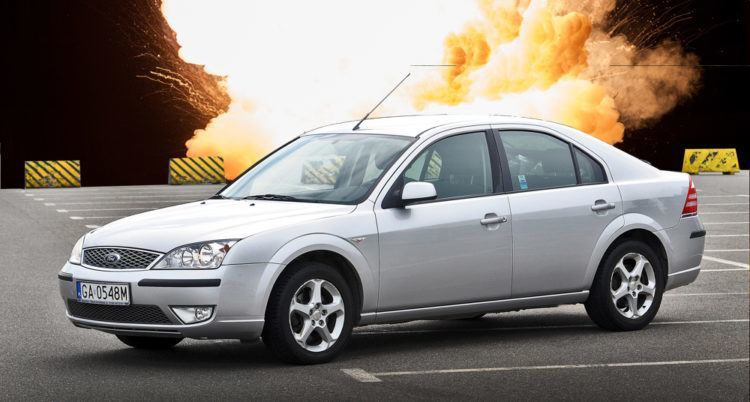
China’s used-car ecommerce market is about to go kaboom (in a good way). But to understand why, you’ve got to turn back the clock almost a decade.
Climb into my time machine
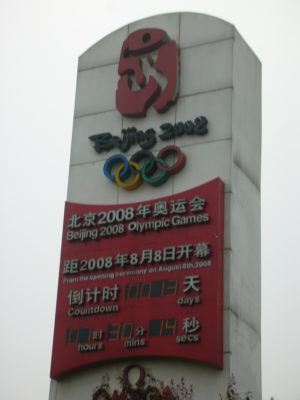
Photo credit: Kevin Hale.
The air in pre-Olympics China in 2008 felt the same way that the air feels for actors in the final dress rehearsal, the day before opening night. There’s infectious excitement, driven in part by joy of nearly having reached the finish line and in part by the tension that comes with knowing that things could still go terribly wrong. Beijing 2008 was China’s coming out party, its grand entrance onto the global stage as a world power. Everyone was aware of it, anxious for it. A giant countdown clock loomed over Tiananmen Square, slowly ticking down the days and hours into the opening ceremony where China would finally show the world it was back.
The pride, the patriotism, and the anticipated catharsis of that moment would be difficult to overstate. China had been through a century of humiliation at the hands of foreign powers and inept domestic leadership, and then a lengthy period of internal strife and discord beginning with the civil war and ending (arguably) with the crackdown in Tiananmen Square in 1989. But those days had passed. China was on the rise. Everyone knew it, and these Olympics would be China’s chance to show it. To celebrate it. The government was determined that nothing would go wrong, and in its preparations for the event, no stone was left unturned.
One of the stones that got turned in the run-up to the Olympics in 2008 was used car sales. Beijing then (as now) had a problem with air pollution, and the government wanted to ensure that it wouldn’t be on display during the Games. So, along with a number of other measures, the city of Beijing placed strict restrictions on the sales of used cars, making it virtually impossible to buy or sell used cars that had come from outside the city unless they passed the most stringent emissions standards. This was not a controversial move – at the time Beijing had far fewer cars and ecommerce was still in its early stages. Few people were interested in buying used cars at all, let alone used cars from outside the city.
But after the Olympics ended, the rules stuck. And not just in Beijing – inspired by Beijing’s laws, virtually every other major Chinese city passed similar legislation. This was inspired in part by a desire to decrease harmful emissions, but there was also a financial motivation: under China’s tax laws, new car sales generate quite a bit of tax revenue for local governments. Used car sales do not. Governments feared, and still fear, that a rise in used car sales will correspond with a decline in new car sales and, consequently, a decline in tax revenues.
So the restrictions stayed in place.
Back to the present
The used car sales restrictions have been good to local governments, but China’s national government recognizes that they are unnaturally suppressing what could be an even bigger industry. China’s ecommerce markets have developed to the point that without the restrictions, a used car sales firm could find buyers anywhere, and buyers all over the country could use the web to find and order exactly the car they wanted. So this past spring, China’s State Council issued new guidance ending the restrictions on inter-city used car sales as of late May in most Chinese cities.
There were exceptions, though. Beijing, Tianjin, Shanghai, Guangzhou, and five of China’s other most-developed cities were all exempted and allowed to keep their used car sales restrictions. So even China’s used car market became significantly freer in June, as of right now some of the most potentially lucrative markets (Beijing, Shanghai, Guangzhou) are still totally closed to sales of vehicles from outside those cities.
But not for long.





Stay updated on the go with our mobile app.
Get latest insights with smoother, more personalized experience through TIA mobile app.