A Chinese smartphone brand that launched just over two years ago is giving up on its home market, it emerged today. The company, IUNI, modeled itself heavily on Xiaomi, selling sleek-looking budget phones along with a bunch of other lifestyle accessories.
But IUNI is now axing 60 percent of its staff as it plans to abandon the Chinese market, instead only selling its Android-based phones in foreign markets – if the company has enough cash in the bank to continue at all, reports Tencent Tech.
The brand’s failure comes as China reaches peak smartphone. Now that pretty much every adult in the country has a smartphone, many Chinese consumers are trading up to ever more expensive and prestige phones. The average phone purchase price in China rose to US$319 last year, up from US$260 in 2014, says data from Canalys.
That’s way above the US$150 price tag of the IUNI N1, which looks like a poor man’s iPhone 6.
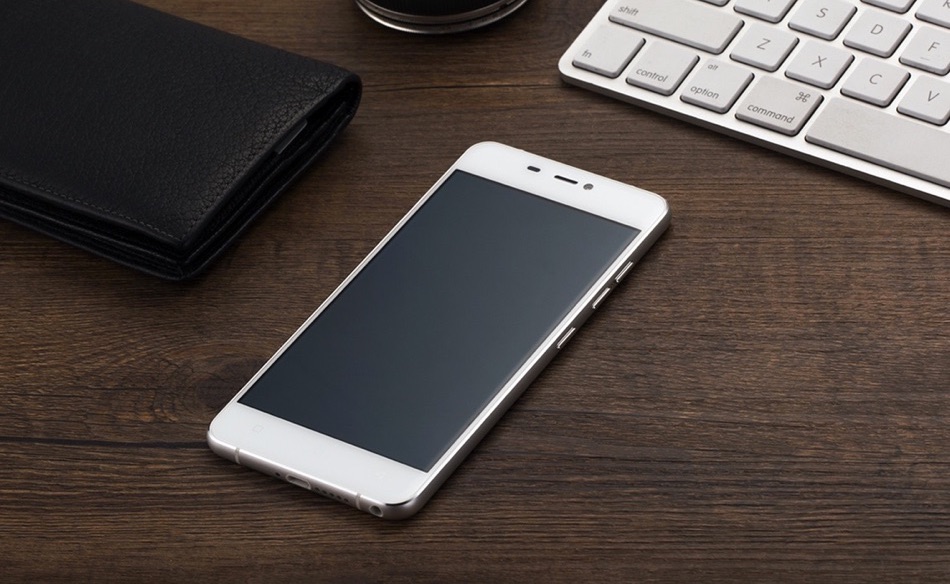
Yup, that’s the IUNI N1, not the latest iPhone.
IUNI imitated Xiaomi by making a bunch of phone accessories, like headphones and a battery pack. But whereas Xiaomi sold 70 million smartphones in 2015, IUNI struggled to make an impression at a time when Chinese shoppers are trading up to pricier phones from the likes of Apple and Huawei.
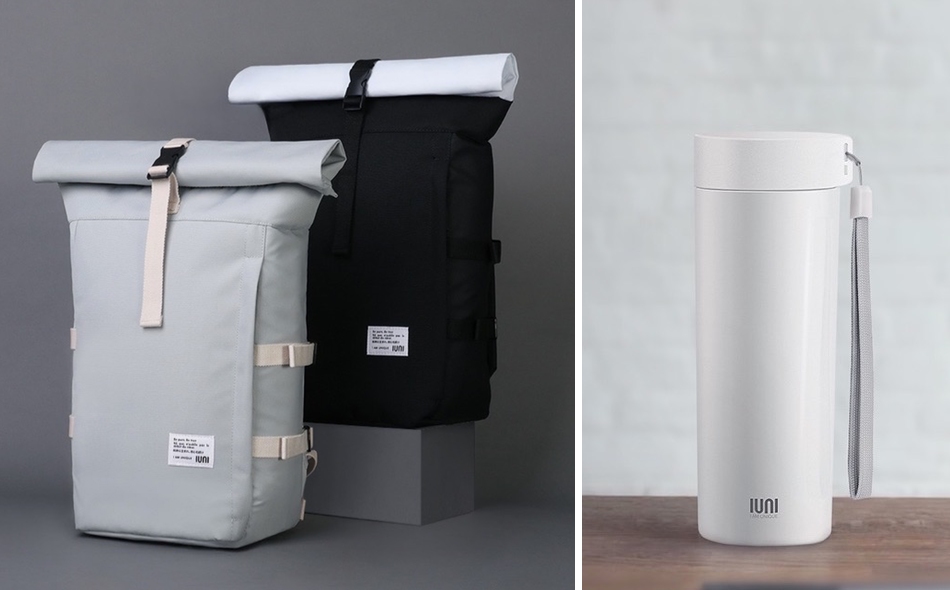
IUNI also sold a US$45 rucksack and a US$10 flask:
IUNI’s collapse comes just two months after another budget brand, Dakale, shut its doors. Its flagship phone also looked like an iPhone 6 rip-off – but the company’s strategy of making a cheap phone sold mainly online was based squarely on Xiaomi.
Xiaomi itself is not immune to the shifting preferences of Chinese consumers. After missing its 2015 phone sales target of 80 million devices, the giant startup is now facing the prospect of static – or maybe even shrinking – sales this year.
“There is a change of consumer buying pattern where people are buying more premium handsets,” said Canalys analyst Nicole Peng earlier this year in reference to the Chinese market.





Stay updated on the go with our mobile app.
Get latest insights with smoother, more personalized experience through TIA mobile app.