
A Xiaomi phone user aboard the Hong Kong ferry.
After several years of hypergrowth, Xiaomi suddenly experienced growing pains last year as smartphone sales stalled and competitors caught up.
If only Xiaomi covered more countries, it could alleviate a slowdown in Chinese sales.
Although Xiaomi managed to cling on to the top spot in China’s market in 2015, experts say that the signs point to the Chinese startup struggling even more this year – and perhaps losing the title of China’s smartphone king to faster-growing brands.
“There is a change of consumer buying pattern where people are buying more premium handsets,” said Canalys analyst Nicole Peng earlier this week.
And that should sound alarm bells at Xiaomi HQ. The average phone price in China rose to US$319 last year, up from US$260 in 2014, according to new Canalys data.
That’s bad news for Xiaomi because its top-selling models are all in the budget Redmi range, which runs from US$75 to $167.
All of a sudden, Xiaomi is out of touch with its biggest base of buyers.
Fly Mi to the moon
If Xiaomi covered more countries, it could alleviate a slowdown in Chinese sales, but the brand’s global rollout has been painfully slow. More than four years after first launching in China, Xiaomi has managed to expand to eight nations beyond the mainland – Hong Kong, Taiwan, Singapore, Malaysia, the Philippines, Indonesia, India, and Brazil.
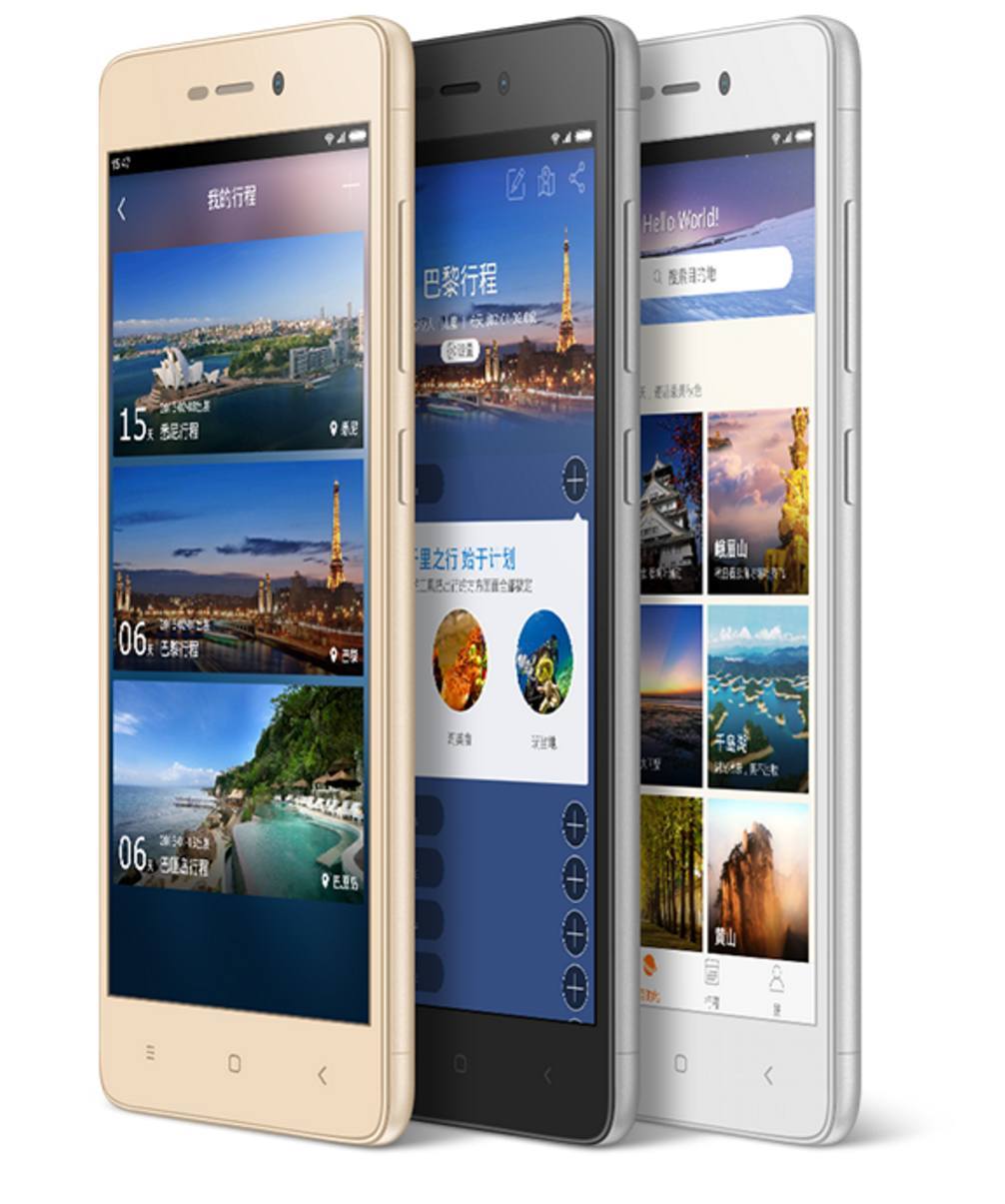
China’s growing middle class don’t want cheap phones. The new Redmi Note 3 starts at US$135.
India should be boosting sales of Xiaomi’s cheapest phones enormously as the country joins the smartphone era. But Xiaomi’s sales in the country have grown slowly since it debuted there in mid-2014. Just over 18 months on, the brand remains a minor player in India while compatriot rival Lenovo stormed up to third place in the end of 2015, data from Canalys show. Samsung is top, homegrown Micromax is second.
If there are no new markets in Xiaomi’s pipeline in 2016, the company remains over-reliant on China, whose wealthier consumers are trading up in search of greater brand cachet. Apple has been booming in China since the svelte iPhone 6 replaced the thicker iPhone 5s. On the back of that, Apple just posted its best quarter ever in China.
Huawei is making the most of Xiaomi’s slip-up, selling an array of affordable as well as premium phones.
Killing Mi softly
Hit Mi baby one more time





Stay updated on the go with our mobile app.
Get latest insights with smoother, more personalized experience through TIA mobile app.











📅 Upcoming Events
22 October 2026
Payoneer x CSPN Summit 2026