This article is a part of Startup Spotlight, a series that features young, up-and-coming startups.
Image credit: Timmy Loen
While studying waste management in the UK, the founders saw a gap in Vietnam’s market. They wanted to build a cost-effective, eco-friendly system to replace expensive foreign infrastructure. This led to the launch of Circular BioEnergy.
😟 Problem
Vietnam struggles with overwhelmed landfills that emit harsh odors and excess carbon dioxide. Incorrectly burning refuse increases heat and destroys potential material value. This crisis impacts local authorities, agricultural businesses, and communities near disposal sites.
💡 Solution
The startup processes municipal mixed refuse and agricultural by-products into multiple useful commodities. Its system utilizes proprietary lab-engineered bacteria to process raw material rapidly with high output purity, including:
- Separates and treats raw household garbage
- Produces recyclable materials and alternative fuel pellets
- Generates organic bio-fertilizer for agricultural use
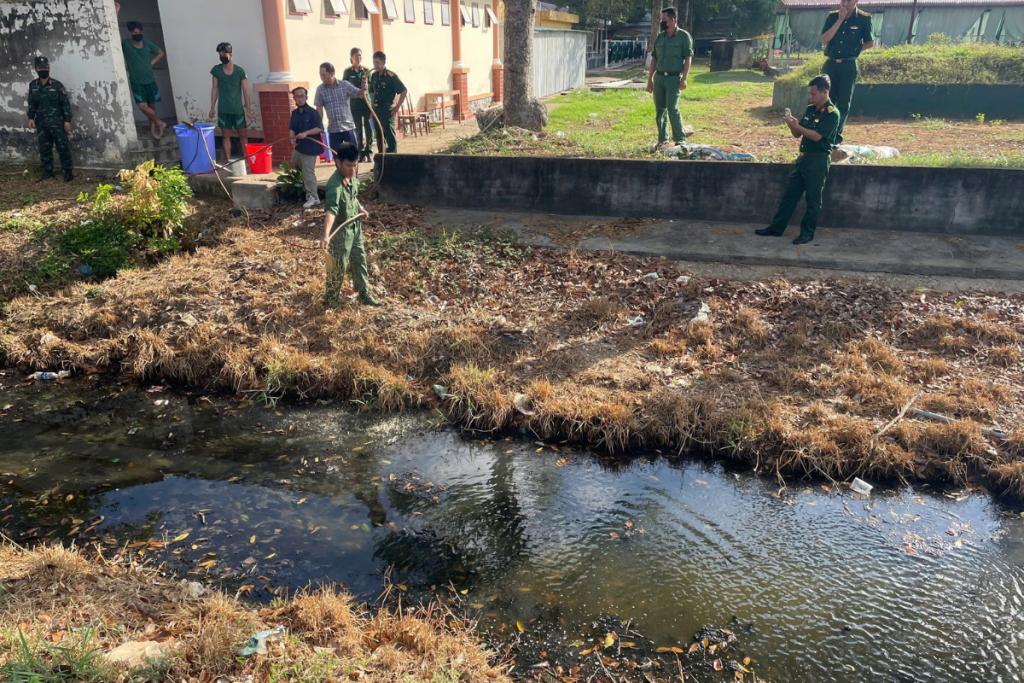
Photo credit: Circular BioEnergy
📊 Market size
Vietnam generates around 65,000 tons of daily waste. The total addressable market also includes specialized refuse from agriculture, aquaculture, and livestock farming, as well as wastewater treatment in municipal areas.
🤝 Team
- Nguyen Tran. CEO. She takes care of all legal, laws & regulations, a bit of internal operations and board member
- Van Nguyen. Head of Strategy and Growth. She has experience in consulting, leading CirBE’s international market entry, investor relations, and government partnerships.
- Hồng Anh Nguyễn. Research and Project Officer. She supports market research, business development, and sustainability initiatives at Circular BioEnergy.
🚀 Traction
- Operates two commercial factories aged four and two years.
- Currently constructs a third regional processing facility.
- Partners with local authorities to manage household refuse across up to 12 communes per province.
- Operates a measurement, reporting, and verification system for future carbon credit certification.
🏆 Competition
Domestic competitors include Grac and mGreen, using basic composting, alongside INSEE Ecocycle, relying on cement kilns. Circular BioEnergy differentiates itself with proprietary biotechnology and a focus on underserved agricultural areas.
Securing mandatory refuse off-taker licenses also locks in durable corporate contracts.
💰 Financials
The company generates revenue through gate fees, fertilizer sales, fuel pellets, and carbon credits. It secures long-term government agreements lasting up to 49 years and mid-term corporate contracts lasting three to five years.
🚩 Risks





Stay updated on the go with our mobile app.
Get latest insights with smoother, more personalized experience through TIA mobile app.