- Premium Content It takes our newsroom weeks - if not months - to investigate and produce stories for our premium content. You can’t find them anywhere else.
 Putra Muskita · · 6 min read
Indonesia’s stock plunge isn’t tech’s problem – yet
Will we look back on March 18, 2025 as a turning point for Indonesia’s tech scene?
The Indonesia Stock Exchange (IDX)’s composite index plunged by 6% that morning – to its lowest levels since 2021 – prompting the exchange to temporarily halt trading. On March 25, the rupiah fell to 16,642 against the US dollar, which is its lowest since the 1998 Asian Financial Crisis.
It’s not entirely surprising. Indonesia’s recent economic woes have been well documented: aside from a weakening rupiah, it is plagued by a shrinking middle class and decreasing consumption.
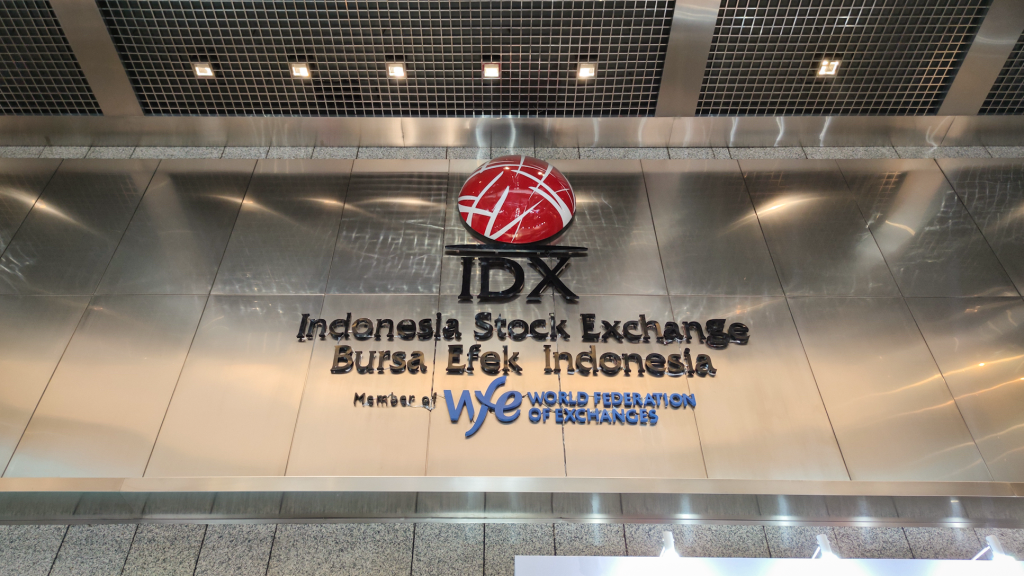
Photo credit: Nuswantaro Collection / Shutterstock
It’s worth noting that IDX-listed tech companies like GoTo, Bukalapak, and Blibli have largely been spared. Still, the sharp decline in the IDX that day, coupled with the rupiah’s declining value, have raised fears that investors are starting to take flight.
If true, this would be another blow for the country’s tech and startup scene after the eFishery fiasco. Meanwhile, foreign investors are concerned about a budget deficit after President Prabowo Subianto announced expensive new policies.
Experts Tech in Asia spoke with present a mixed picture. Some view these setbacks as short-term turbulences, while others cite longer-term effects for tech startups – especially with the IDX’s lack of institutional investors.
Just a “blip in the big picture”
At least, that’s how independent economist Gundy Cahyadi finds the situation.
“I think the potential for Indonesia’s economy is still huge,” says Cahyadi. “Nothing material has changed in the past year, despite the moves in the equity market.”
Eddy Chan, founding partner at Intudo Ventures, sees both sides of the argument. “We’ve seen short-term corrections and the often knee-jerk reactions to such dips,” he explains, adding that the country had to deal with “exuberant expectations from the previous cycle.”
That said, Chan acknowledges that weakening domestic consumption has been on investors’ minds. As the general public tightens their belts, consumer-focused tech companies can feel the pressure.
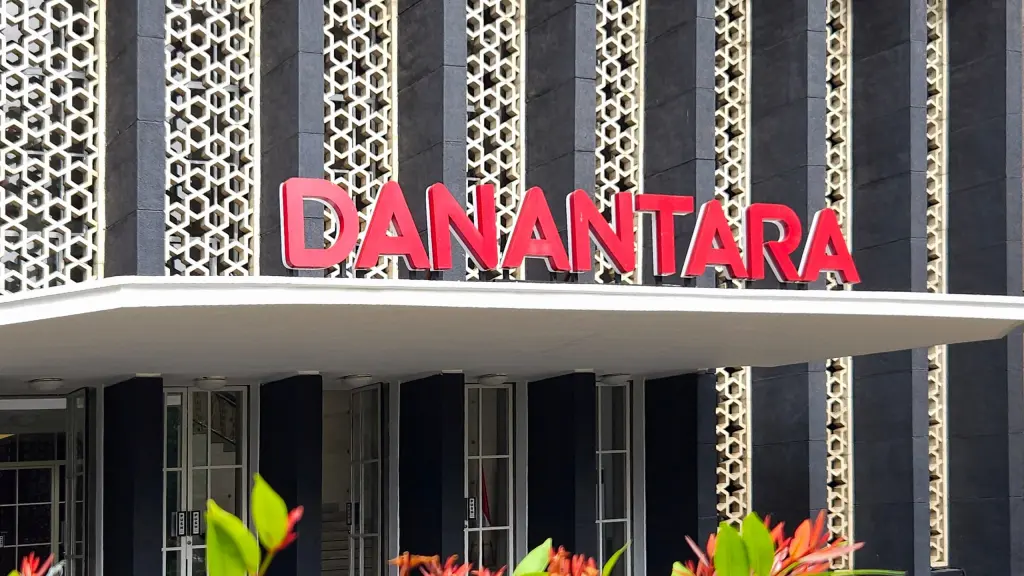
Danantara’s office in Jakarta. The sovereign fund’s launch has raised concerns of a budget deficit. / Photo credit: Tuti SW / Shutterstock
One Jakarta-based investor, who asked not to be named, believes that startups targeting consumers in the middle and lower classes are most impacted. More importantly, woes are not confined to just tech players: even conventional players in the FMCG space are finding things challenging.
IDX: a flawed exit path?
More bang for the buck
Stay ahead in Asia’s tech landscape
This is premium content. Subscribe to read the full story.
Tech firms are largely immune from the IDX’s 6% plunge or the weak rupiah. But the picture on the ground is mixed.
We know this is not ideal. ⌛ Sign up in 20 seconds. Cancel anytime.
Our subscriber community includes professionals from these companies:





Stay updated on the go with our mobile app.
Get latest insights with smoother, more personalized experience through TIA mobile app.