- Premium Content It takes our newsroom weeks - if not months - to investigate and produce stories for our premium content. You can’t find them anywhere else.
 Elisa Valenta S · · 4 min read
Swift action needed as Indonesia’s growth falters
A storm is brewing in Indonesia’s job market. Mass layoffs surged by a worrying 20.2% last year, with 78,000 jobs wiped out. And it is only getting worse.
In January alone, data from the country’s Ministry of Manpower revealed that 3,325 workers were left without pay checks.
Amid this crisis, President Prabowo Subianto is racing to reignite growth.
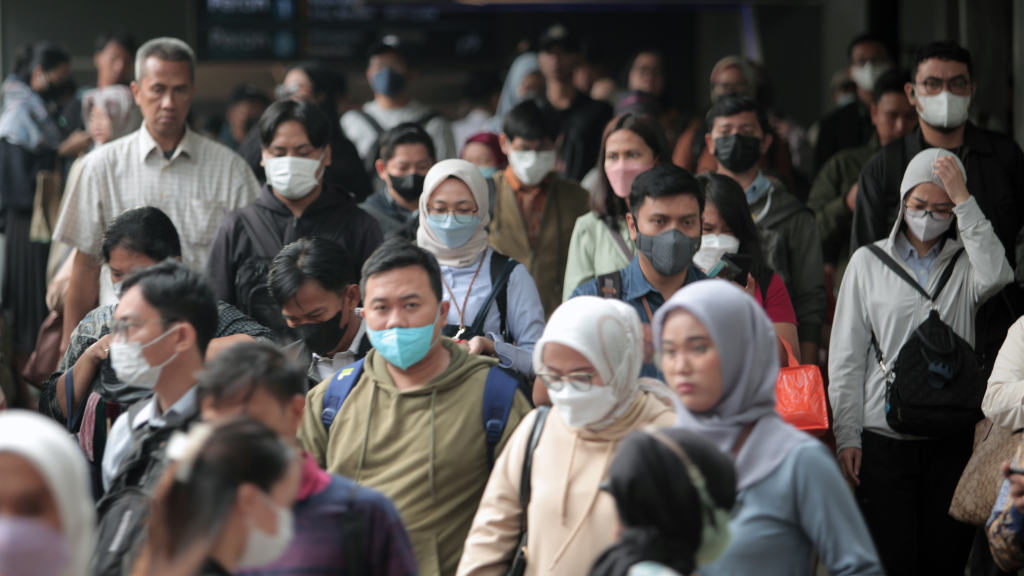
Middle class workers in Jakarta/ Photo credit: Saelanlerez / Shutterstock
His administration is banking on the festive Idul Fitri spending spree to create momentum. However, economists warn that deeper structural issues – and the looming specter of US President Donald Trump’s potential trade tariffs – could derail the government’s ambitious 5% growth target for the first quarter.
Teuku Riefky, an economist at the University of Indonesia’s Institute for Economic and Social Research, warns that the ongoing wave of mass layoffs signals a deeper crisis of “premature deindustrialization.”
This trend – in which the country’s manufacturing sector is shrinking before it is fully industrialized – could erode household purchasing power even further, he cautions. This would hit the middle class hardest as they struggle with rising living costs and scant government support.
“The decline in manufacturing productivity is a long-term issue,” Riefky tells The Business Times. “It will be challenging for Indonesia to achieve higher economic growth, as we have yet to see the emergence of new growth engines in the economy.”
This could have an impact on the tech sector as well. Companies like GoTo and Bukalapak primarily serve the Indonesian market, which also accounts for a significant share of revenue for players like Sea Group and Grab.
Lost luster
Once the engine driving Indonesia’s economy, the manufacturing sector has steadily lost its momentum over the past two decades. In 2002, it contributed a robust 32% to the country’s gross domestic product, a figure that has since shrunk to just 18% in 2024, according to the Statistics Agency.
The decline underscores the growing challenges faced by an industry struggling to keep pace with shifting global dynamics and intensifying competition.
Last week, Prabowo summoned leaders from Indonesia’s biggest business groups – including Barito Pacific, Artha Graha, Sinar Mas, Lippo, and Indofood – to the presidential palace, which signals a push to rally the country’s corporate elite to revive growth.
According to a statement from the presidential office, the meeting focused on policies to strengthen key industries, with particular emphasis on the textiles sector, which has been hit hard by layoffs.
Crushed by debt
Bold action needed
Stay ahead in Asia’s tech landscape
This is premium content. Subscribe to read the full story.
Beyond manufacturing, ecommerce giants like Tokopedia are also quietly cutting jobs.
We know this is not ideal. ⌛ Sign up in 20 seconds. Cancel anytime.
Our subscriber community includes professionals from these companies:





Stay updated on the go with our mobile app.
Get latest insights with smoother, more personalized experience through TIA mobile app.