 Nathaniel Fetalvero · · 4 min read
How regulatory changes almost crushed this fintech startup
This article is an excerpt from an episode of Startup Snapshot, a Tech in Asia podcast that features the leaders and innovators in the Asian startup scene, and discusses the highs and lows of their founder journeys. It is heavily revised from the original transcript. Listen to the full episode on Spotify, Apple Podcasts, or Google Podcasts.
Startups that disrupt heavily regulated industries live and die by regulatory support or a lack thereof. This is especially so for fintech companies, due in part to the large potential risks of introducing new processes into financial operations.
Funding Societies co-founders Kelvin Teo and Reynold Wijaya learned this the hard way when new regulations were set by the Monetary Authority of Singapore (MAS) in 2016. The law mandated that peer-to-peer lending platforms like Funding Societies obtain a capital markets services license or cease business operations in the city-state.
On this episode of Startup Snapshot, Teo talks about the co-founder dynamic between him and Wijaya, how the business was almost wiped out, and how the team overcame the odds.
What were some of the challenges Funding Societies faced in its early days?
When starting a company while studying in a different timezone, the key sacrifice is that you just don’t sleep and you miss the costume parties that your classmates are going to. The truth is, we didn’t do very well in school. We weren’t the best of students.
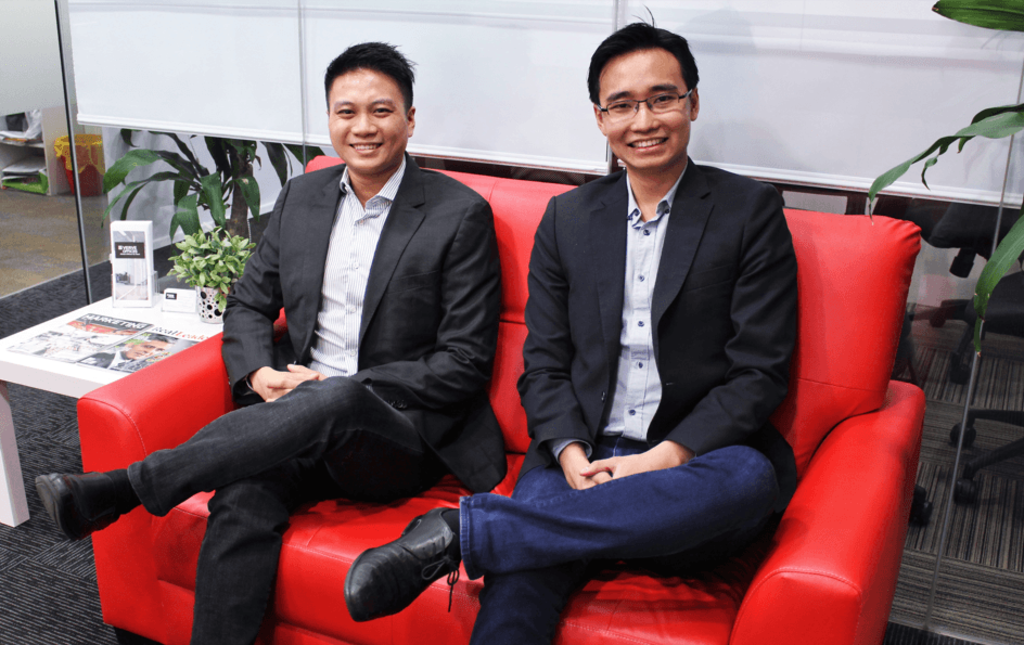
Funding Societies co-founders Reynold Wijaya (L) and Kelvin Teo (R) / Photo credit: Funding Societies
But one of the more public crises we had was that the week after [Reynold and I] graduated, we received a notification that the MAS is going to regulate peer-to-peer lending with immediate effect, which meant that anyone without a license needed to stop operations with immediate effect.
At the time, we were still in the process of fundraising for our series A. We had received a term sheet from Sequoia Capital, who was conducting due diligence, and the new regulations wiped out 90% of our business at the time. We were left with two months’ worth of runway in our bank account.
So basically we faced a situation whereby there was no clarity on how we were going to get a license because no license in that category had ever been issued. [We also didn’t know] if Sequoia would pull back their term sheet, which they had the right to do, given our business was a tenth of its size.
How did your staff react, seeing as they hadn’t had much face time with you while you were studying at Harvard?
There were two groups. One of my senior hires, after hearing it from the mouth of MAS, his face turned green. So it was clearly disturbing for some folks, whereas others may have had a very good poker face because they seemed to be chill about it.
On hindsight, I don’t know why they stuck around, but we were very fortunate and grateful for them in that difficult time. We took the World War II prisoners-of-war approach, where we assessed the situation, decided how we would solve it, and then lived a day at a time to crack it piece by piece instead of thinking too far ahead about the 10,000 things we needed to solve.
We were fairly transparent in communicating this, and I think it was how Reynold and I conducted ourselves, but we were able to garner the trust and faith of the team.
How did you ensure that Sequoia Capital would still invest in the business?
We took the same approach by saying, ‘These are the challenges. Based on the legal advice by one of the most established law firms in Singapore, this is what they’ve recommended we can do that’s legal; we’ve run it by MAS.” And we presented them a proposal about how we were going to solve the problem.





Stay updated on the go with our mobile app.
Get latest insights with smoother, more personalized experience through TIA mobile app.











📅 Upcoming Events
22 October 2026
Payoneer x CSPN Summit 2026