- Premium Content It takes our newsroom weeks - if not months - to investigate and produce stories for our premium content. You can’t find them anywhere else.
 Ardi Wirdana · · 6 min read
Indonesia fintech hits hurdle with new rules on foreign control
Following the merger between Gojek and Tokopedia in May, Indonesia’s top payment players have endured some serious twists and turns.
The arrival of Gojek’s GoPay in the ecosystem has put its rival – and Tokopedia ally – Ovo in uncertain territory, leaving it to rely on its other parent firm, Grab, to fill the void.
Grab, meanwhile, has forged a strong partnership with Emtek. The media conglomerate owns a large part of major e-wallet operator Dana, which is reportedly an acquisition target of yet another local conglomerate, Sinar Mas.
Now, a new regulation from Bank Indonesia presents another hurdle for these fintech firms.

Photo credit: Paulus Rusyanto / 123RF
The rules, which took effect in July, cap foreign shareholder control in “front-end” payment businesses to only 49%. This guarantees that payment companies are controlled by local shareholders. The rules also strip board appointment rights and veto rights from foreign shareholders and will pose problems for payment companies and their investors in future fundraising activities.
“Bank Indonesia is using a blunt instrument to regulate this fast-moving and fast-growing sector. It knows what it wants to achieve, but I just don’t know how it can really achieve what it wants to,” says an industry lawyer, who asked to remain anonymous.
Big money for little control
Bank Indonesia’s goal is consistent with the government’s protectionist policies in other industries, which aim to protect and empower domestic companies to boost the local economy – a pressing need amid an influx of foreign investment in the country.
That these policies have bled into the e-money space is not surprising, as the sector is considered a strategic industry. In 2018, Bank Indonesia opened its first salvo when it limited foreign ownership in e-money issuers to 49%.
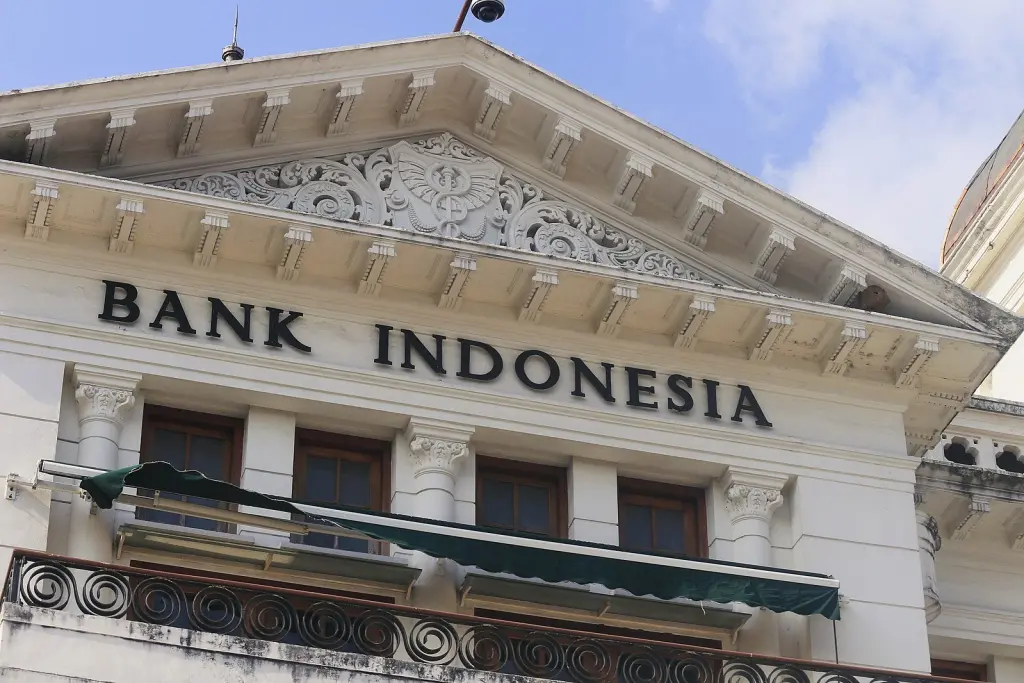
Photo credit: Wikimedia
From an ownership perspective, the new regulation appears to favor foreign investors more than the previous policy. According to the lawyer, however, the reality is that it does no such thing.
The new rules lift the ownership ceiling to 85% – as long as control, or voting rights, remain at a maximum of 49%.
This often makes no sense to investors, as they often want control over decisions to go along with majority ownership.
Fundraising halt
Protectionism perfectly pulled off?
Stay ahead in Asia’s tech landscape
This is premium content. Subscribe to read the full story.
Lawyers say that GoPay, Ovo, Dana, and other players can’t raise more capital until they follow the new Bank Indonesia rules.
We know this is not ideal. ⌛ Sign up in 20 seconds. Cancel anytime.
Our subscriber community includes professionals from these companies:





Stay updated on the go with our mobile app.
Get latest insights with smoother, more personalized experience through TIA mobile app.