Sarah Dai · · 5 min read
Huawei ban nudges die-hard iPhone fans in China to switch sides
This article is co-written by Meng Jing and Zen Soo.
Both sense and sensibility played major roles when diehard iPhone fan Wang Zhixin finally made the decision to become a first-time Huawei user after sticking with the US brand for almost a decade.
“There is a calling from my heart that I need to show support for Chinese brands, especially in the trade war climate,” said the manager at one of China’s largest solar module manufacturers. When the time finally came to retire his three-year-old iPhone 7 earlier this month, Wang went with a Huawei P30.
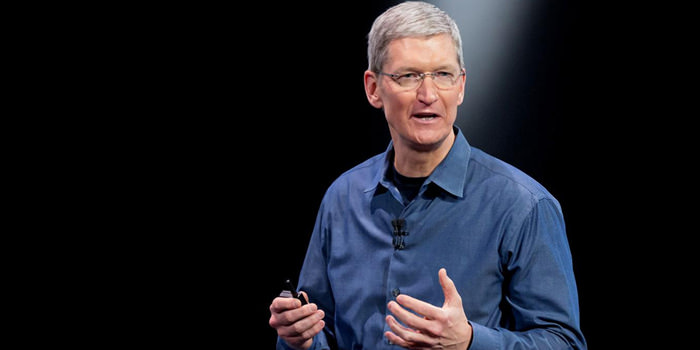
Apple boss Tim Cook / Photo credit: iphonedigital
Huawei was not entirely chosen out of sympathy. “The company has a reputation for better quality at a cheaper price,” Wang said. “[The P30] is faster and can take better pictures.”
For Sam Li, who works at a state-owned telecom company in Beijing, switching from Apple to Huawei was also driven by an emotion. “It’s kind of embarrassing to pull an iPhone out of your pocket nowadays when all the company executives use Huawei.”
There was also a more practical reason for the switch: the company offered a Huawei discount as an employee benefit.
Wang and Li are just two examples of the growing number of people Huawei has won over from the Apple camp amid growing tensions between the US and China over technology and trade. The Chinese telecommunications equipment and smartphone giant was placed on a US trade blacklist last week, heightening the rhetoric in a new economic cold war being waged between the world’s largest two economies.
While the US export ban threatens to cripple the Shenzhen-based company in the short term, ongoing nationalist sentiment at home could play out in Huawei’s favor and hurt Apple’s sales in China, according to analysts.
“Chinese consumers’ love for Huawei can only increase because of the ban,” said Kiranjeet Kaur, senior research manager at IDC Asia Pacific. “Unless, of course, hardware supply chain constraints affect the rollout of its phones locally.”
Last year, Huawei shipped 206 million smartphones – 105 million in mainland China, accounting for 26.4% of the domestic market, according to IDC data. In comparison, Apple ranked fifth in the country with a 9.1% share. In the first quarter, that fell further to 7% compared to a 3% share gain for Huawei, according to Counterpoint.
The Cupertino-based tech giant’s problems are not confined to China. In the first quarter, iPhone shipments worldwide fell to 36.4 million units: a 30.2% decline from same period last year. Huawei was the only top smartphone vendor that recorded positive growth in the first three months.
“The iPhone struggled to win over consumers in most major markets as competitors continued to eat away at Apple’s market share,” IDC said. “Price cuts in China throughout the quarter along with favorable trade-in deals were still not enough to encourage consumers to upgrade.”
Apple’s market share in China is expected to continue to slide, according to Zaker Li, a senior industry analyst at IHS Markit. “Putting aside political issues, Apple’s product offering and pricing strategies will be core reasons behind its drop,” he says.





Stay updated on the go with our mobile app.
Get latest insights with smoother, more personalized experience through TIA mobile app.