Paul Bischoff · · 2 min read
How an Indian entrepreneur turned his blog into a global online training site for professionals
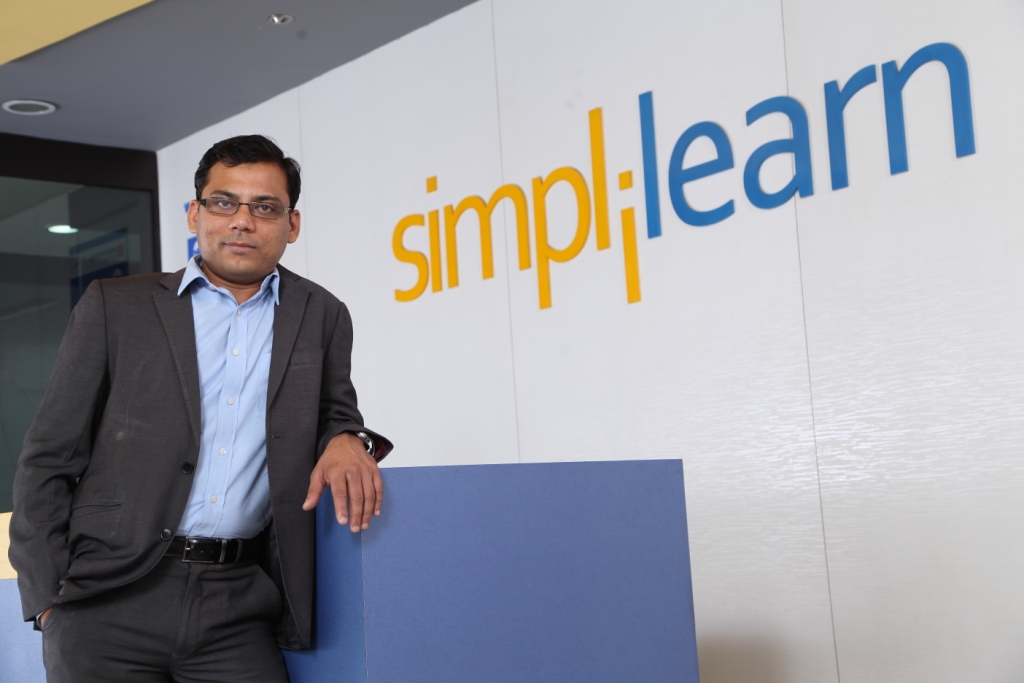
In the late 2000s, Krishna Kumar was blogging about project management after his last venture, an electronics business solutions firm called TechUnified, was acquired by publicly-listed ORG Informatics. The blog he started was called Simplilearn.com, and six months later, 3,000 readers were tuned in to what he had to say.
"I got the idea, ‘why don’t we help people to take the PMP [Project Management Professional] exam?’" he recalls. Soon after, "I created about 10 hours of video content."
Those video lessons became the foundation for what Simplilearn has become today: a major online certification website that’s trained over 200,000 professionals and is adding another 10,000 per month.
Unlike online education courses from Coursera and EdX, Simplilearn is aimed squarely at career-minded professionals rather than students and academics. The site targets people who know what they need to take the next step in their occupation.
"There are a lot of professionals who start their career, and after some time, realize they are stuck," Kumar says. Simplilearn now has over 300 courses offering certifications from globally recognized third-party organizations. The most popular subjects include project management, IT service management, online marketing, and big data.
In addition to the video lectures, periodic online sessions allow teachers and students to interact with each other in real time. Simplilearn also has several physical classrooms around the world, where students can opt to supplement their online training with in-person classroom sessions.
While Simplilearn’s courses typically have more practical real-world application than most of the content on Coursera, it comes at a price. The most in-demand courses plus exam fees usually cost north of US$1,000, although prices vary widely depending on the subject.
While Simplilearn’s roots are in Bangalore, India, Kumar says, "A lot of our work happens in the US." In fact, about half of the site’s users are from the US, and less than one quarter are from India. The rest hail from 150 other countries around the globe.
He says about 90 percent of users "identify the need for training on their own," but he’s working to get more corporations and other employers on board as partners.
In September 2013, Simplilearn raised US$10 million in a series B funding round from Helion Venture Partners and Kalaari Capital. It has opened study centers around the world and made Deloitte’s Fast 50 India list of the fastest-growing companies in the country two years running.
See: Flipkart’s new elearning category makes it as easy to search for courses as it is to find books
Editing by Malavika Velayanikal
(And yes, we’re serious about ethics and transparency. More information here.)





Stay updated on the go with our mobile app.
Get latest insights with smoother, more personalized experience through TIA mobile app.