Li Tao · · 3 min read
Huawei enters period of reckoning for smartphone business
This article is co-written by Zen Soo.
The next seven weeks could prove to be a period of reckoning for Huawei Technologies’ smartphone business as the company prepares for the overseas launch of its next flagship device: the Mate 30.
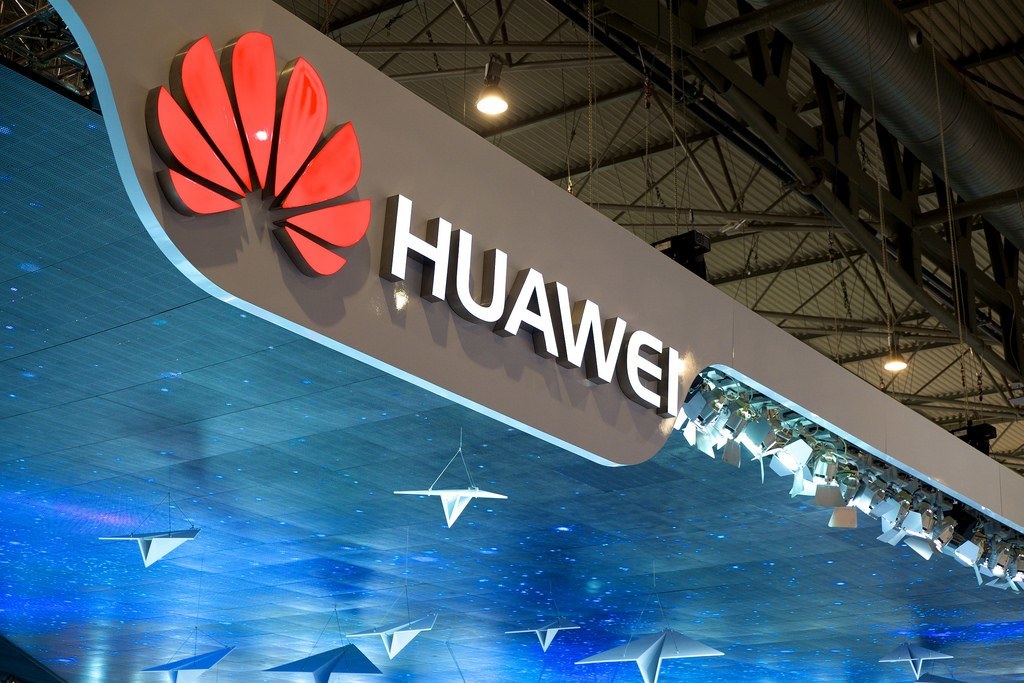
Photo credit Kārlis Dambrāns
Indications are that Huawei could launch the smartphone in Germany around mid-to-late September. But a successful launch would depend on a host of factors, chief among them whether the Chinese firm will receive approval to use Google’s Android operating system.
Huawei is currently blocked from licensing Android from Google because of its inclusion on the US Department of Commerce’s Entity List, which bans American companies from doing business with Huawei without government approval.
Company chairman Liang Hua, at a press conference on Tuesday, said supplies for less important products have recovered, but key components such as the Android OS are still blocked under the US trade ban. The latest Huawei smartphone on sale is the Mate 20 X, which still runs on Android because the license was granted before the US government put Huawei on its trade blacklist on May 16.
Huawei could potentially launch the Mate 30 and subsequent models without Android. The world’s largest telecommunications equipment vendor could decide to use its proprietary mobile operating system, which the South China Morning Post had earlier reported to have been under development since 2012.
Huawei could also postpone the Mate 30 launch while it works to regain the Android license, which would be a signal that the firm’s own OS is not yet ready for commercial use.
Liang did not directly address a reporter’s question on Tuesday on whether the Mate 30 will be launched with Huawei’s own OS if it did not receive the go-ahead from Google.
“If the US allows us to use Android OS for our smartphone, that ecosystem is always our preferred choice,” Liang said. “If the US won’t allow us to use it, we need capabilities to develop [our own] and an ecosystem.”
“As for new product launches, you will be able to see with your own eyes how ready we are by then,” he said.
Maintaining a successful product rollout is crucial to Huawei because about 50% of its revenue is derived from its consumer business.
The Shenzhen-based company said first-half revenue rose 23% to 401.3 billion yuan (US$58.3 billion). The firm also had the largest smartphone market share in China with 38% during the same period, up from 28% a year ago. Comparatively, other Chinese smartphone brands saw their market share decline.
Following its inclusion in the Entity List, Huawei has targeted a significant increase in its share of China’s smartphone and telecoms network equipment market to help offset potential losses overseas because of the US action, the Post reported in late June, citing people familiar with the matter.





Stay updated on the go with our mobile app.
Get latest insights with smoother, more personalized experience through TIA mobile app.