 Paul Bischoff · · 4 min read
Huawei – not Alibaba, Tencent, or Xiaomi – is China’s most forward-thinking tech company
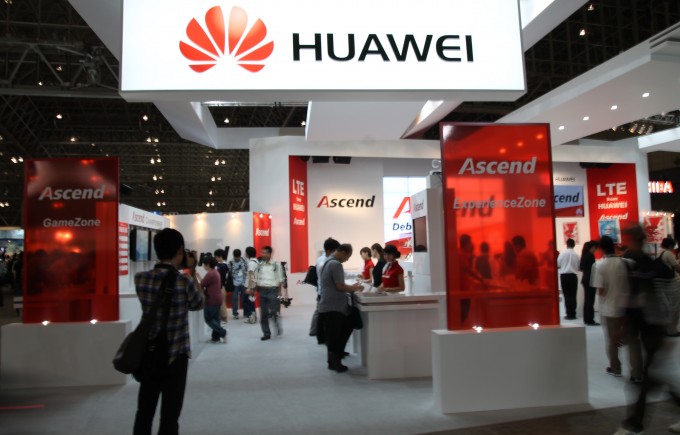
Alibaba now holds the title for the world’s largest IPO and has fundamentally changed the way China’s internet-connected population shops online. Tencent has transformed the country’s social sphere and continues to innovate on how its users interact on a daily basis. Xiaomi has risen to become the best selling smartphone maker in China, and has made us all rethink how smartphones are made and sold around the world.
But when it comes to developing future tech in five, 10, or even 20 years down the road, these are all peanuts compared to Chinese telecommunication equipment and smartphone maker Huawei. Huawei might not make it into the daily headlines like its more high-profile counterparts, but rest assured that its business strategy and technology is some of the most all-encompassing and forward-thinking in the world.
Now, I’m not arguing that Huawei phones are better than Xiaomi’s, nor am I making direct comparisons between ecommerce, social, and hardware. But as far as the company that will make the most impact on the greatest number of people both now and in the future, Huawei takes the cake. Let’s start with smartphones.
Third-greatest smartphone shipments
Xiaomi is beating Huawei in its home market of China, but Huawei sold 34 million phones worldwide in the first half of this year compared to Xiaomi’s 26 million. If you include feature phones in that number, Huawei sold over 64 million. Globally, Huawei sits only behind Samsung and Apple. And while Xiaomi is gradually expanding to 10 new countries this year, a single Huawei phone typically debuts in over 30 countries at once.
You might be saying to yourself, “but I’ve never even seen anybody with a Huawei phone!” And that’s probably because you don’t live in a developing country. Huawei has aggressively targeted emerging markets in Asia, Latin America, the Middle East, and Africa. The latter two regions saw shipments up 550 percent in the past 12 months.
Smartphone penetration in those areas might not be the highest right now, but if Huawei can gain a loyal following this early in the game, there’s no telling how big it could grow just a few years from now.
Largest telecommunications equipment maker
Huawei overtook Ericsson in 2012 to become the world’s largest telecommunications equipment maker. It builds mobile broadband networks for telcos, infrastructure for fixed and wireless communication, data centers, and cloud computing solutions for enterprise customers, including big corporations and governments.
See: Huawei is quietly taking over the world, minus the US
As with smartphones, emerging markets are getting a good portion of Huawei’s attention, but several European countries have also employed Huawei’s services. Huawei not only makes money from the sale of the physical equipment, but also from aftermarket operating and consultation services to maintain it.
Huawei gets 40 percent of all contracts worldwide to build new commercial LTE networks. Its products and services reach about one-third of the world’s population across 140 countries.
By 2020, Huawei plans to start deploying 5G networks. It announced last year a US$600 million investment over four years into research for the next generation of mobile connectivity.
Investment in smart cities
Huawei revealed a new direction it plans to go in with its US$25 million acquisition of UK-based Neul. The internet-of-things startup focuses on smart city and industrial applications, such as sensors used in oil-and-gas refining, agriculture, transportation, construction, healthcare, and utilities. It also makes and leases the base stations that these sensors connect to.
Government ties and secrecy
Investing in a Huawei world





Stay updated on the go with our mobile app.
Get latest insights with smoother, more personalized experience through TIA mobile app.









📅 Upcoming Events
22 October 2026
Payoneer x CSPN Summit 2026