Rishi Alwani · · 5 min read
How two guys from radio built India's most exciting indie game studio
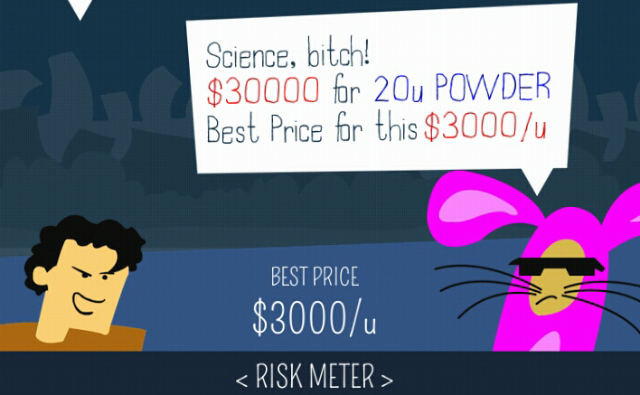
Supersike Games is what happens when two radio industry veterans decide to make video games. Known for a creatively diverse portfolio that includes, Yet Another Bird Game (runner-up of Square Enix’s game development competition for India), the drug trading game Go Kane and its latest effort, Catcher in the Sky, this is one studio that doesn’t shy away from experimentation.
(See: Go Kane review: one man’s fight to save his girlfriend, with drugs)
I caught up with co-founder Amit Goyal to pick his brain on what we can expect from Supersike next, how the company came to be, and what it takes to be an independent developer in India.
No experience is the best experience
India’s games industry is thriving. And Goyal admits new independent studios are coming up by the day even though as a whole, the industry still has to find its feet.
Most independent studios in the country are either old hands venturing out on their own or freshly minted students out of game schools such as DSK. Which makes Supersike’s tale all the more interesting. They’re the exception to the rule. He tells me why Supersike came to be:
We did not have any background in gaming. Both of us were in radio. Even if we wanted to get jobs, who would give us jobs in gaming? So we decided to start our own thing and learn it as we go along.
This is a rather ballsy approach and it hasn’t been smooth sailing. Most Indians wouldn’t consider trading in a steady income and job security for the unknown. But Supersike has stuck around for two years already without any funding aside from family and friends. The impetus to go independent was further fuelled by the desire to make some respectable original Indian IP.
Outsourcing versus originality
“We wanted to get into the space and start making stuff that’s appreciated globally and is from India. This extends to the design aspect and not just the outsourcing bit that India is known for.”
The “outsourcing bit” Goyal refers to is the mainstay of Indian game development. Companies like Dhruva, Lakshya, Technicolor and others employ a massive number of artists in order to create assets for global studios such as Microsoft, Konami and Rockstar. It’s what India is known for in game development circles, rather than original IP.
But that all is changing. “There were over 15 Indian studios at Casual Connect showing content that everyone was appreciative of. Some of the young guys have also won awards for their work.”, he says. The same mentality applies to Supersike, “We don’t want to get away from original IP. Once you get into the contract space it’s tough to get away from it.”
[fve]http://www.youtube.com/watch?v=NrIz5on3qpM[/fve]
The great Indian talent hunt
Unlike India’s well-known IT sector, its games industry is relatively low-key. Getting in top-notch talent is still a major concern. After all, why would the best developers gravitate towards a field that doesn’t pay as well as other tech fields? Goyal opines that while talent is in abundance, it’s the mindset that matters the most:





Stay updated on the go with our mobile app.
Get latest insights with smoother, more personalized experience through TIA mobile app.