C. Custer · · 2 min read
Jack Ma: ‘Taobao doesn’t have fake products, they’re just web products’
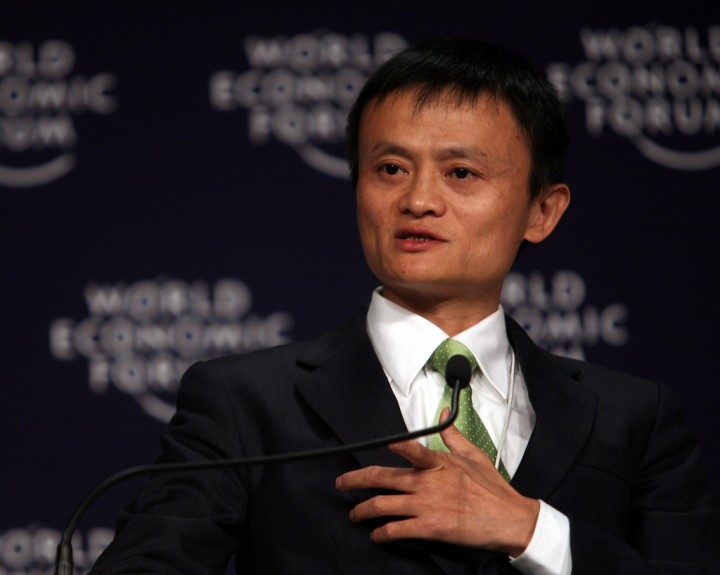
Alibaba’s ongoing kerfuffle with the government over (among other things) the presence of fake/counterfeit products on its ecommerce platforms just won’t seem to end. But the latest twist is a speech Alibaba founder Jack Ma gave in Hong Kong, recorded in the Beijing Times, in which he says they’re not fakes at all.
In the speech, Ma said that actual counterfeit products on Taobao are rare. But because the site is a C2C marketplace where anybody can open a shop, Ma says it does feature lots of what he calls “web products”: items designed and created by regular users that have never gotten any sort of official approval. Said Ma:
Actually, Taobao doesn’t have many fake products. There are some products that are original creations, without official approval, but that doesn’t mean they’re fakes. These are classified as ‘web products.'”
When it was pointed out that fake degrees from the very university he was speaking at were available for sale on Taobao at the time of his speech, Ma responded: “It’s very hard for us to be perfect, so what’s important is that we keep improving; I trust that a colleague has already dealt with that problem.”
Ma says that Alibaba has more than 2,000 workers whose full-time job is checking Taobao for fakes. But with more than a billion products on the site, it’s still difficult to catch fake items unless they’re reported by users.
As of this writing it is absurdly easy to find counterfeit products on Taobao. A quick search for “Liverpool,” for example, turns up tons of jerseys and other products related to the Premier League football club Liverpool F.C., none of which are officially licensed. In keeping with the Liverpool theme, a search for “The Beatles” also turns up a variety of counterfeit items. These are not, as Jack Ma might suggest, intellectually original creations that simply lack the proper government licenses. They are straight-up fakes.
Given that, the broader reception for Ma’s remarks may be a cold one. Already Chinese online commenters on the story have taken a predominantly negative tone. “He’s playing word games,” wrote one commenter on Sina Tech. “Fakes are fakes,” wrote another. Will “internet products” catch on as a buzzword for China’s unique blend of copycatting and creativity in the same way that the term shanzhai did? It’s possible. But it seems as though Ma may have a tougher time selling this than his sites have selling, well, anything.
See more: What is Jack Ma’s net worth?
Photo by World Economic Forum
(And yes, we’re serious about ethics and transparency. More information here.)





Stay updated on the go with our mobile app.
Get latest insights with smoother, more personalized experience through TIA mobile app.