Terence Lee · · 6 min read
As K-Pop gains ground worldwide, Asia’s startups poised to ride on its coattails
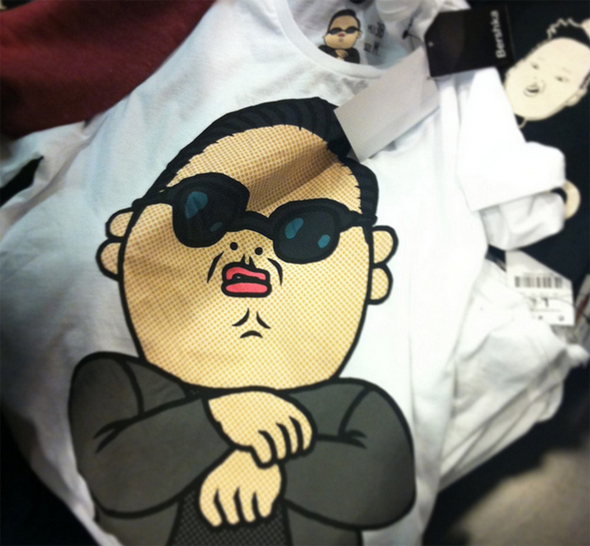
When Psy horse-danced his way into our hearts and minds last year with the phenomenally catchy Gangnam Style, it wasn’t just a welcome party for the pudgy 35-year-old pop star. The song, while tearing down the glitzy shallowness of Korea’s mighty K-Pop industry, may have ironically increased its appeal.
But don’t be mistaken: K-Pop was already huge before Gangnam Style became the most watched, and perhaps most parodied, YouTube video ever. According to Billboard, the industry grossed nearly USD 3.4B in the first half of 2012, or just under 20 percent of the American music industry’s takings. That’s a 27.8 percent growth from the year before.
The hallyu phenomenon– literally translated ‘Korean Wave’ — is a unique product of a hyper-connected era where an obscure cat video from Japan can gain millions of views from across the world. YouTube has certainly helped popularized K-Pop to people who would otherwise not have access to it.
The genre’s dominance has spillover effects not just for the entertainment industries of film and television, but also fashion and cosmetics, travel and tourism, and even the food industry. It is impacting Asia’s consumer technology sector too, and I’m not just talking about Samsung.
Consider ViKi, a Singapore-based startup that has for a long time bet on the Korean Wave. Since 2008, it has been operating an online video platform that crowdsources translations for Korean content. It works on the fundamental premise an unmet demand exists for Korean dramas, film, and music videos due to the language barrier.
So, by providing a platform that leverages on a feverishly loyal fanbase to act as translators, ViKi would benefit by expanding its own market at scale without relying solely on expensive professionals.
That approach has served the company well. After raising a Series B round of USD 20M from Greylock Partners, Andreesen Horowitz, Charles River Ventures and others, it has broadened its content to include videos from United States, Taiwan, Japan, and other parts of the world.
 KakaoTalk is another company that is shaking the K-Pop money tree. Founded in Korea, KakaoTalk is an immensely successful mobile chat app that could soon rival Whatsapp in popularity.
To brand it as just a chat app though would be a disservice: it’s more of a mobile social network and content platform that revolves around a flagship chat app. In fact, KakaoTalk is what Facebook might have looked like if it was founded in the dawn of the mobile era, post-2007.
Part of its appeal lies in the ability for users to follow the lives of their favorite pop stars. I could, for example, follow Wonder Girls and check out wedding photos of Sunye, one of the group’s members.
I suspect that KakaoTalk has more up its sleeves. It could potentially use the app as a distribution channel for anything from music videos to behind-the-scenes footage at a concert. It could even start contests where lucky fans could win one-to-one chat sessions with a K-Pop star.
KakaoTalk and ViKi have each appropriated the Korean Wave in their own ways, and these are just signs of things to come.





Stay updated on the go with our mobile app.
Get latest insights with smoother, more personalized experience through TIA mobile app.