- Premium Content It takes our newsroom weeks - if not months - to investigate and produce stories for our premium content. You can’t find them anywhere else.
 Collin Furtado · · 8 min read
Hmlet merger not due to need for cash, says CEO
Last week, Germany-based co-living startup Habyt expanded into the Asia Pacific by acquiring Hmlet, bringing an end to the struggles that its Singapore-based peer endured for the last few years. The latter’s problems included a cash crunch, multiple layoffs, exits by its co-founders, and being forced to pull out of the Australian market.
A year ago, not only did investors hand Hmlet a US$6 million lifeline, but one of its lead investors, Burda Principal Investments’ senior advisor Peter Kennedy, also stepped in as interim CEO to lead a shift in Hmlet’s business strategy.
Habyt acquired Hmlet and, in exchange, the Singapore-based firm’s shareholders got a stake in Habyt Group. “It is a share swap [deal], where we combine the entities by flipping the shareholders of the smaller entity into the bigger entity,” Luca Bovone, founder and CEO of Habyt tells Tech in Asia.
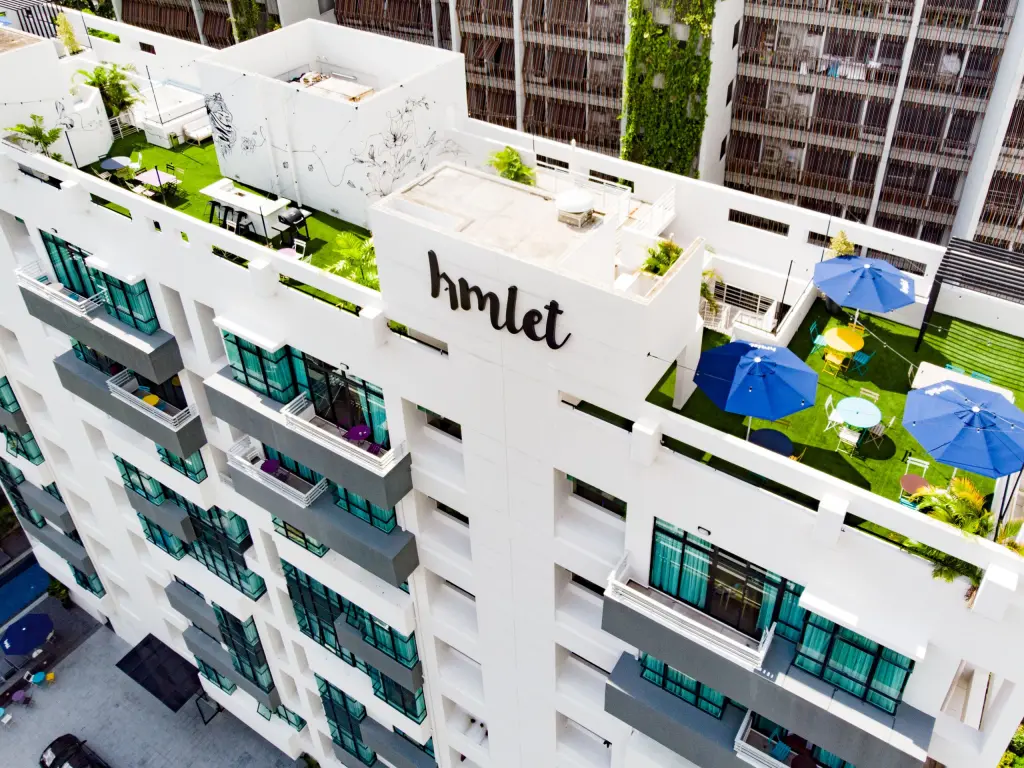
Photo credit: Hmlet
While he didn’t disclose details of the equity swap, Hmlet’s shareholders would probably have got a smaller percentage stake in Habyt than they held in Hmlet, given that Habyt is a substantially larger company.
Hmlet will retain its name but will be under the newly formed Habyt Group, which includes other co-living firms such as GoLiving, Homefully, Quarters, Erasmo’s Rooms, and Roomie.
Giselle Makarachvili, CEO of Hmlet, will become the head of Habyt’s Asia-Pacific business. Meanwhile, Bovone will lead the new entity.
“We haven’t done this merger because of the need for cash. Our investors were very happy with the turnaround that we made in Hmlet last year,” Makarachvili tells Tech in Asia.
Hmlet’s US$6 million fundraise in May 2021 gave it a runway of 18 to 24 months – which would mean it still has a runway of between six months and a year if it was operating with the same cash burn.
Besides this, the company says it had struck a deal earlier this year to raise US$4 million in funding from a few of its existing investors and one new backer. However, when Hmlet received an offer from Habyt, the Singapore-based firm’s management and investors decided to put the sum into Habyt’s series C round.
In 2021, the co-living startup had also implemented major cost cuts. It reduced its tech staff, among other things, to slash its burn rate by about 60%.
The company also shut down its operations in Australia and shifted to an asset-light model of helping landlords run their own co-living spaces.
Makarachvili says the company’s revenue has recovered to pre-Covid levels and new initiatives such as Hmlet Nest – which it was relying on to make a comeback – had been a success.
See also: Covid-19 knocked Hmlet down. Here’s how it’s climbing back up
Hmlet’s investors double down on Habyt
Hmlet moves into Habyt’s home
Stay ahead in Asia’s tech landscape
This is premium content. Subscribe to read the full story.
Hmlet’s investors have now invested in Habyt Group’s ongoing US$50 million series C fundraise.
We know this is not ideal. ⌛ Sign up in 20 seconds. Cancel anytime.
Our subscriber community includes professionals from these companies:





Stay updated on the go with our mobile app.
Get latest insights with smoother, more personalized experience through TIA mobile app.












📅 Upcoming Events
22 October 2026
Payoneer x CSPN Summit 2026