- Premium Content It takes our newsroom weeks - if not months - to investigate and produce stories for our premium content. You can’t find them anywhere else.
 Miguel Cordon · · 6 min read
Covid-19 knocked Hmlet down. Here’s how it’s climbing back up
Singapore is one of the smallest cities in the world, but it’s also one of Southeast Asia’s largest tech hubs, which makes it attractive for those looking to get into the nitty-gritty of the region’s colorful startup scene.
Taken together, these factors present one vital problem for the city-state: housing. Christine Sun, senior vice-president of research and analytics for real estate agency OrangeTee & Tie, wrote in a CNA report that the combination of strong demand and increased foreign investment drove up housing prices during the first quarter of 2021.
A PropertyGuru report also showed that a growing number of Singapore residents are seeking larger private spaces as work-from-home (WFH) setups and home-based learning arrangements have become the norm amid the Covid-19 crisis.
With these realities in mind, Hmlet announced that it’s entering the private housing space via its latest offering. Called Hmlet Nest, the new service is aimed at local and expatriate couples and families, with a focus on affordability and meeting the changing needs of the Singapore market.
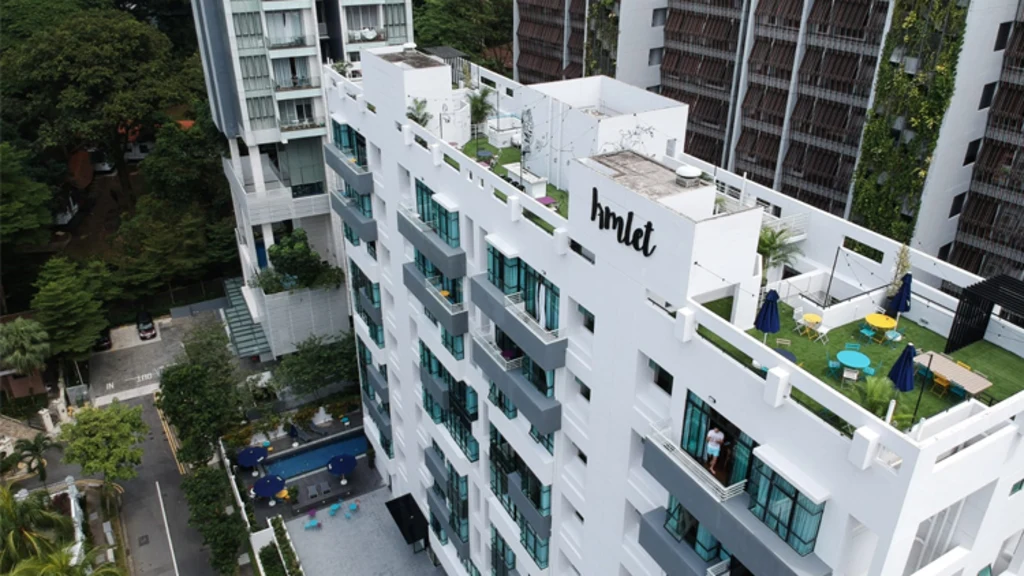
Photo credit: Hmlet
The company will offer Hmlet Nest alongside its existing co-living business. While Hmlet Nest allows members to rent units or apartments on their own or as a couple, the co-living service enables locals to share a unit with others, making them part of the property’s wider community.
The golden egg in the nest?
It’s no secret that Hmlet has been facing its fair share of troubles since last year. Both of its founders, Zenos Schmickrath and Yoan Kamalski, stepped down from their roles, for instance. The Singapore-based startup also implemented several layoffs amid financial woes, and exited the Australian market recently.
See also: Hmlet sizes down again amid difficult pivot, but it’s making progress
But Hmlet didn’t give up, and it was handed a lifeline when it raised US$6 million in a series B+ round co-led by Sequoia Capital and Burda Principal Investments in May.
Peter Kennedy, senior advisor at Burda Principal Investments, had previously told Tech in Asia that Hmlet is “worth saving.” He is currently at the helm as the startup’s CEO.
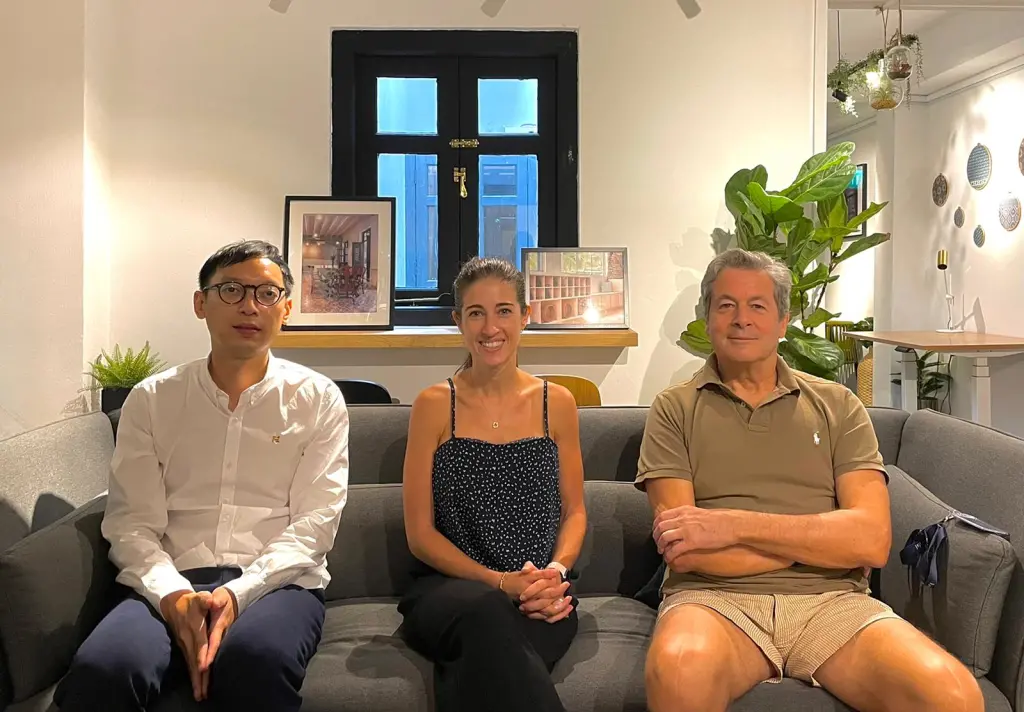
Hmlet executives (from left) Joshua Li, chief real estate officer; Giselle Makarachvili, chief operating officer; and Peter Kennedy, CEO / Photo credit: Hmlet
Hmlet has shifted to an asset-light model and said it would use the funds to diversify into managing properties that were acquired by existing hotels. It also plans to invest in distressed hotels in the Asia-Pacific region and turn them into co-living spaces.
A month after receiving the fresh funds, the company announced that it would launch Hmlet Nest.
The emerging family customer base
The price factor
Stay ahead in Asia’s tech landscape
This is premium content. Subscribe to read the full story.
Hmlet Nest is targeting expats and local couples who need better spaces due to work-from-home mandates but don’t want to be tied by long-term leases.
We know this is not ideal. ⌛ Sign up in 20 seconds. Cancel anytime.
Our subscriber community includes professionals from these companies:





Stay updated on the go with our mobile app.
Get latest insights with smoother, more personalized experience through TIA mobile app.