Sovereign wealth funds (SWFs) have been a hot topic recently.
US President Donald Trump announced his plans to create one. Closer to home, Indonesia has launched Danantara as part of President Prabowo Subianto’s plans to drive economic growth.

AC Ventures co-founder Pandu Sjahrir has been appointed chief investment officer of Danantara / Photo credit: Pandu Sjahrir
Controversy swirls around both developments, and several key questions have emerged. But what exactly is an SWF? How does it power economic development? What opportunities does it present, and what challenges does it face?
Let’s dive in.
Defining SWFs
Broadly speaking, an SWF is defined as “a state-owned investment fund composed of money generated by the government.”
Its definition is a bit nebulous, which is no surprise given that almost any investment vehicle or fund run or owned by a government entity can count as an SWF.
For example, Singapore’s Temasek is often referred to as an SWF even though it regards itself as “a commercial investment holding company.”
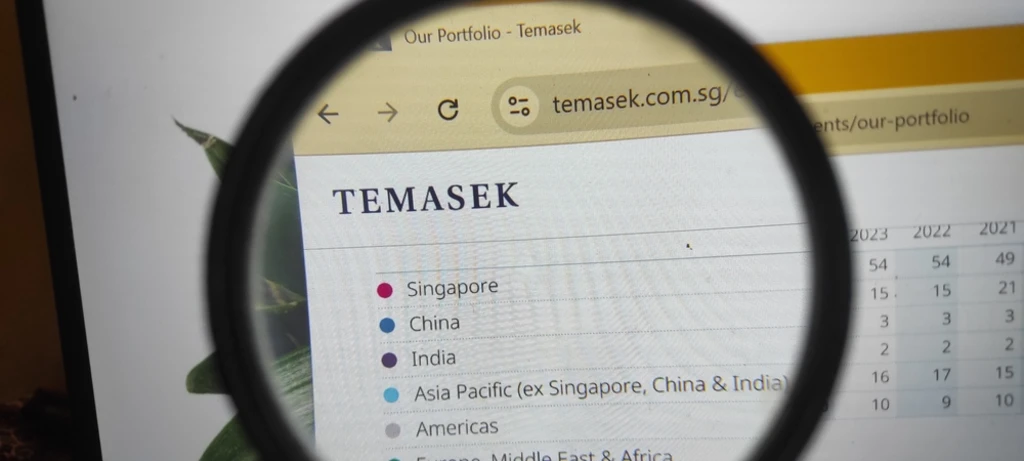
Photo credit: Iljanaresvara Studio / Shutterstock
SWFs get money for their investments from a variety of sources – whether it’s revenue generated from commodities like oil and gas, foreign exchange reserves, or budget surpluses.
These funds play an important role in driving economic development, creating new opportunities and providing support across several key areas.
SWFs in action
How exactly do SWFs make a difference to their national economies? Let’s take a look at two examples to find out.
GIC (Singapore)
GIC was established in 1981 to manage Singapore’s foreign reserves. It’s done pretty well, having achieved an annualized USD nominal rate of return of 5.8% over a 20-year period ending March 2024.

Photo credit: T. Schneider / Shutterstock
The SWF’s focus on overseeing and growing Singapore’s reserves puts the city-state in a strong financial position to support itself during times of crisis, such as the Covid-19 pandemic. A percentage of its returns can also be utilized by the government to fuel development in Singapore through infrastructure or public services.
While GIC doesn’t invest heavily within the city-state due to its investment mandate, it supports the development of key industries that can benefit Singapore in the long run, such as clean energy.
Khazanah Nasional (Malaysia)
Khazanah was established in 1993 to manage and maximize the returns of the Malaysian government’s assets and equities. It was listed as one of the world’s best-performing SWFs in 2024, posting an annual return of 24.6%.
The SWF’s mandate is to invest in a way that will “deliver sustainable value for Malaysians”. Unlike GIC, it’s a strategic SWF, with the majority of its investments being within the country and supporting domestic projects and industries.
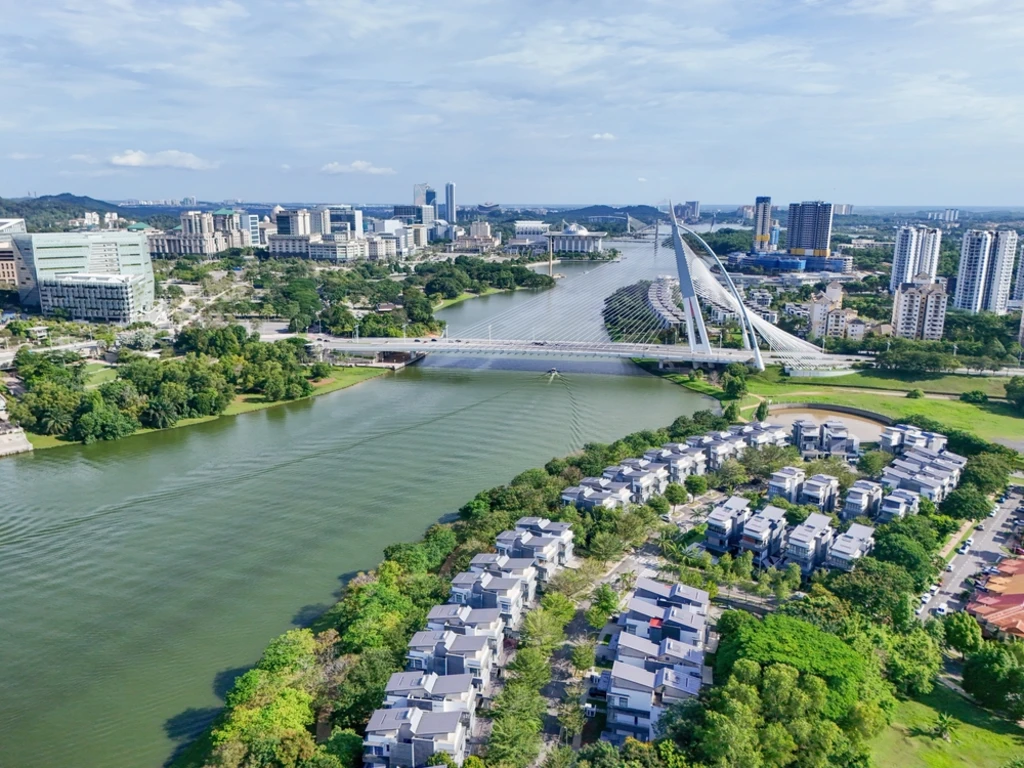
A drone shot of Putrajaya, Malaysia’s administrative capital / Photo credit: Tetiana Babii / Shutterstock
In 1995, Khazanah invested in Putrajaya Holdings, the firm behind Malaysia’s administrative capital of Putrajaya, acquiring a 40% stake. Over the years, it has also supported key industries within the country, such as banking and wafer fabrication.
Moreover, the SWF has invested in a number of businesses in the country, including Malaysia Airlines, where it is currently the sole shareholder, and insurtech startup PolicyStreet.
With these efforts, Khazanah directly drives the country’s larger economic progress, thereby creating “national champions.”
Navigating the landscape
These examples clearly demonstrate the important role SWFs play in economies, directly and indirectly.
In Indonesia, Danantara is shaping up to be more of a strategic investment SWF, closer to Khazanah.
As part of its first wave of investments, Danantara plans to fund 20 high-impact national projects in sectors key to economic development, such as petrochemical plants, food production, and renewable energy.
However, for all the benefits that SWFs have to offer, there are several challenges that Danantara – and other SWFs – need to navigate.
Investing in the future
SWFs are instrumental in shaping a nation’s economic growth, whether they invest in global assets to build up national reserves or fund the development of local industries. Danantara’s arrival, alongside the continued efforts of other SWFs active in Asia, presents a very exciting opportunity for the region’s economies, especially in the advancement of new technologies and sectors to power development.
Hear more about how SWFs help boost economies at Tech in Asia’s upcoming Asia Economic Summit (AES) 2025. Speakers from some of the biggest SWFs in Asia and beyond will come together at the event to share their ambitions and perspectives around opportunities in Asia.

We’re also convening policymakers, business leaders, innovators, and other movers and shakers in Southeast Asia to discuss the growth of the region’s economy.
Set to take place in Jakarta on June 26, AES 2025 aims to uncover the opportunities in store for Asia, catalyze new avenues for transformation and innovation, and unlock the market’s role in the new world order.
Get your tickets today to have a seat at the table as we discuss how to build the enterprises, economies, and ecosystems of tomorrow at AES 2025.
This content was produced by Tech in Asia Studios, which connects brands with Asia’s tech community. Learn more about partnering with Tech in Asia Studios.
Stay updated on the go with our mobile app.
Get latest insights with smoother, more personalized experience through TIA mobile app.
Recommended reads
 Tracking AI hiring in Singapore: OpenAI, Anthropic, and more
 Why ‘cheaper’ no longer wins dev deals for Vietnam
 Alibaba’s capex isn’t the full story
 Forget startups. Buy the business running on Excel
 Life’s a game, and AI agents are Animoca’s new play
 Indonesian AI startup goes global
 Forrest Li on scaling Sea, building smarter bots, and founder grit
 An AI assistant that joins sales calls and scores team skills
 Beyond the check: Why VCs need more than capital
 SGX’s CEO says it doesn’t need a unicorn to win





Editing by Mina Deocareza
(And yes, we’re serious about ethics and transparency. More information here.)






📅 Upcoming Events
22 October 2026
Payoneer x CSPN Summit 2026