Welcome to Tech in Asia’s daily newsletter, your essential dose of Asia’s tech and startup buzz. Not yet a subscriber? Register here. Got a story tip? Send it to editors@techinasia.com.
In focus
- How fossil fuels became Asia’s AI Achilles heel
- Singaporean ecommerce tracking firm Cube scores funding
- OpenAI and Microsoft are no longer exclusive, open up relationship
Hello reader,
It’s striking how much of our lives can unravel because of a single point of failure.
Lose your phone and suddenly your contacts, banking, and logins are out of reach. One key person leaves your workplace and years of institutional knowledge walk out the door. Even your favorite coffee shop closing down can throw off your entire day.
We’ve recently learned that the single point of failure for many countries’ energy supplies is the Strait of Hormuz. A significant share of the world’s oil and gas passes through the narrow corridor, and those shipments have been disrupted since the start of the US-Iran war in February.
Increasing energy prices is one thing, but the ripple effects have created a single choke point. Today’s first top story looks at how Taiwan and South Korea’s chip sectors are caught in that trap.
The two countries make up a significant share of global chip manufacturing and rely heavily on imported energy. That dependence is now colliding with both price shocks and rising pressure from customers to decarbonize.
Renewables could be one solution, but with energy demand only accelerating as the AI race heats up, firms like TSMC and SK Hynix remain stuck in the same single point of failure.
Peter Cowan, engagement editor
Top Stories
1️⃣ Hormuz closure exposes Taiwan and Korea’s AI energy trap
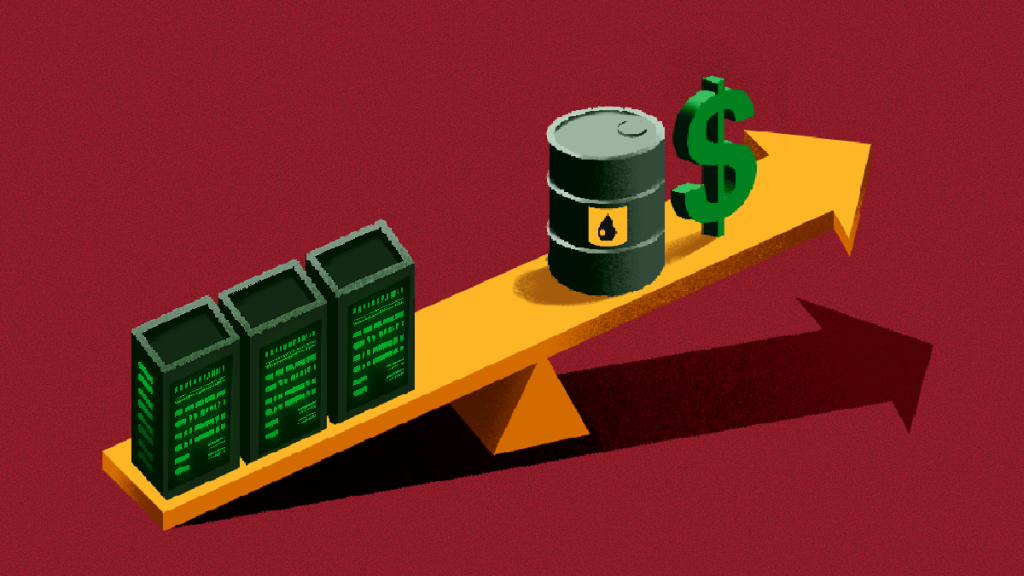
Image credit: Ulla
Taiwan accounts for 60% of global chip manufacturing, while South Korea’s SK Hynix and Samsung together control around 70% of the memory chip market. But the strengths of these exports sit on top of an even bigger dependence: energy imports of 95% and 94%, respectively.
But the challenge goes beyond keeping manufacturing costs down. The world’s biggest tech buyers are now demanding carbon-neutral supply chains, putting chipmakers in the difficult position of expanding production while cutting emissions.
A visual story you shouldn’t miss
Trending news
Why AI adoption isn’t translating into productivity





Stay updated on the go with our mobile app.
Get latest insights with smoother, more personalized experience through TIA mobile app.










📅 Upcoming Events
22 October 2026
Payoneer x CSPN Summit 2026