- Insights This article was written by a TIA community member. Insights pieces undergo the same rigorous editorial process that newsroom-produced articles have.
 David Jimenez Maireles · · 6 min read
The one Grab digital bank that’s actually profitable
Of the three digital banks operated by Grab, Superbank in Indonesia – the latest and smallest – is the only one that’s profitable. This milestone has eluded Singapore’s GXS and Malaysia-based GXBank.
Since Grab went public in late 2021, its financial services arm has burned through more than US$1.2 billion in adjusted EBITDA losses. While the super app’s revenue grew 38% from US$253 million to US$347 million in 2025, losses still widened, going from US$105 million to US$110 million.
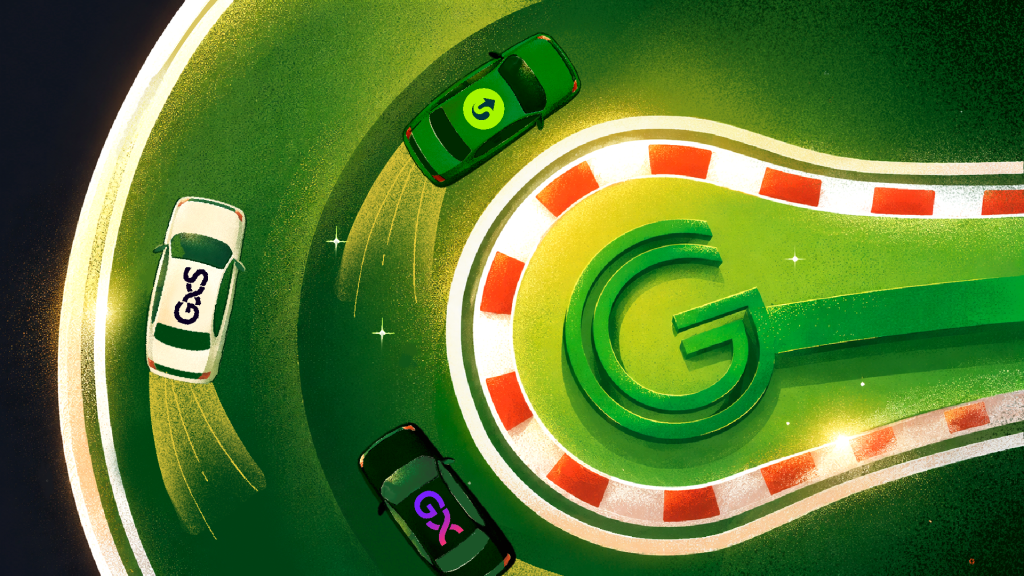
Image credit: Ulla
One might expect GXS and GXBank to outperform Superbank: The two are, after all, located in Grab’s strongest markets with millions of customers, drivers, and merchants.
Having access to this ecosystem of potential customers should be a huge advantage, but GXS Group, which consolidates its financial results, is bleeding money. It lost around S$214 million (US$165.9 million) in 2025, though expected credit losses did fall from 6.8% to 4.6%, a sign the loan book is improving.
Superbank, on the other hand, has hit profitability. It has 6 million customers, its assets are up 72%, the firm’s first full-year profit in 2025 was at US$8.4 million, and it had a US$5.8 million pre-tax profit for the first quarter of 2026.
In my position as co-founder and deputy CEO of TNEX, Vietnam’s first digital-only bank, I’ve seen this gap up close. It took two years to grow TNEX from zero to 1.5 million customers, and I’ve experienced the exact question Grab is now facing: How do you turn a digital bank from a cheap-to-acquire funnel into a business people actually need?
The difference isn’t distribution or brand, as Grab excels at those everywhere. It’s because Superbank is solving a real problem, whereas GXS and GXBank are not there yet. Whether they can will determine if Grab can truly make a success of its financial services arm.
Why Superbank worked
The secret to Superbank’s success is Ovo, the e-wallet in which Grab has a 90% stake.
An eligible Ovo user can upgrade, and their wallet balance automatically moves into a Superbank savings account that earns 5% a year. They don’t have to pay admin fees, there’s no cap on deposits, and the account is within an app people open daily.
That single design choice removes every step that normally kills conversion: no need to switch banks, no new app to download, and no manual transfer to psych yourself up for.
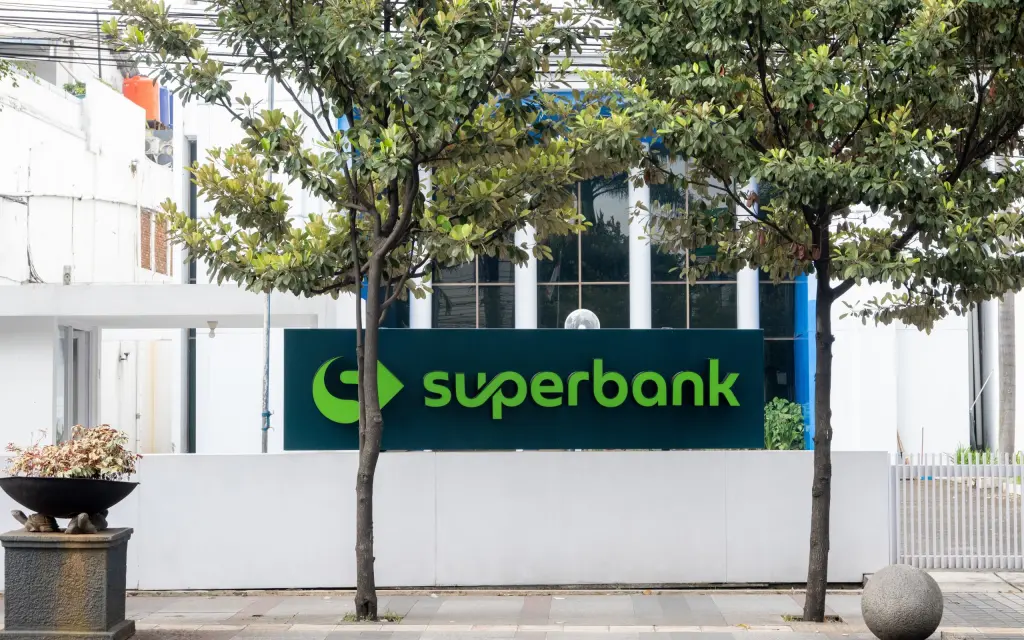
Photo Credit: Superbank
Roughly 60% of Superbank’s customers have a Grab or Ovo account, so making the switch to the digital bank becomes a non-event for customers.
Different markets, different playbooks
Winning ways
What needs to happen next
Stay ahead in Asia’s tech landscape
This is premium content. Subscribe to read the full story.
Superbank has turned a profit, while GXS and GXBank haven’t. This piece breaks down why.
We know this is not ideal. ⌛ Sign up in 20 seconds. Cancel anytime.
Our subscriber community includes professionals from these companies:





Stay updated on the go with our mobile app.
Get latest insights with smoother, more personalized experience through TIA mobile app.