- Insights This article was written by a TIA community member. Insights pieces undergo the same rigorous editorial process that newsroom-produced articles have.
 Vincent Xu · · 5 min read
India’s digital potential is staggering, but access remains limited
This article was co-authored by Rupa Mittal, product marketing manager at Google.
The importance of having access to technology has never before been as relevant in India as it is now, when pivotal industries such as healthcare, education, and ecommerce are experiencing unprecedented digital progress.
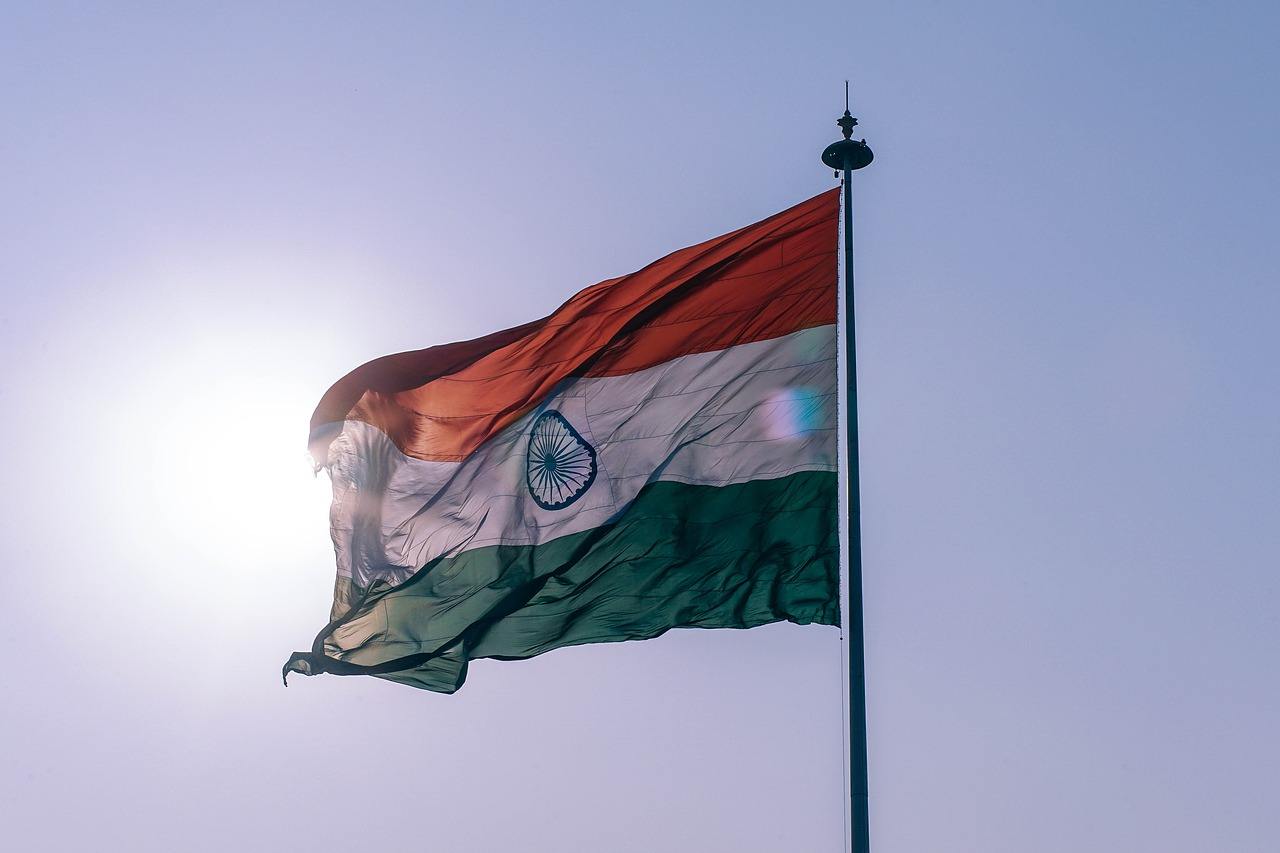
Photo credit: Pixabay
In healthcare, for example, the size of the country’s online pharmacy market is expected to increase more than sevenfold from roughly US$500 million in 2018 to over US$3.5 billion in 2022. Local startups like PharmEasy have served as testaments to this rapid growth, raising more than US$300 million from seasoned institutional investors such as Temasek. At the same time, doctor teleconsulting services have served over 100,000 cases over the past few months alone, taking off partly due to the Covid-19 pandemic.
Similarly, the number of users enrolling in online education services is expected to more than quadruple between 2016 and 2021, with the segment maturing into a multibillion-dollar industry. Recent activities in the startup scene are all but reflective of the sector’s exponential growth: Byju’s roughly US$11 billion valuation, making it the second-most valuable startup in the country, rides on the back of an astonishing 64 million user base – the resulting volume after an increase of over 30% since the pandemic began.
On the consumer side, both Amazon and Flipkart – the leading ecommerce franchises in India – saw October festival sales this year massively overtake last year’s, hitting numbers that took six days to reach in 2019 within just 48 hours. Most of the growth in new customers came from Tier 2 and 3 cities, composing roughly 90% of Amazon’s and about 65% of Flipkart’s new users – a sign of shifting digital demographic growth and the rising number of users coming online.
In both cases, the level of investment put in prior to the pivotal sale period – US$152 million and US$560 million for Amazon and Flipkart, respectively – shows staunch corporate interest in tapping into India’s bottomless digital consumer potential.
The problem of digital access
These technological trends have become increasingly relevant and important in the era of Covid-19. That said, it’s important to note that while technology innovations and the current and future digital potential in India are staggering, connectivity remains limited.
Today, the primary method for Indian users to access the internet – and thereby experience digital services in areas like medtech, edtech, and ecommerce – is through smartphones. However, only a third of the population currently own a device needed to go online: A staggering 70% of potential users are simply unable to afford the upfront payment for even the cheapest smart device.
Across Tier 2 and 3 cities, desperate users have been forced to take extreme measures to adapt to the digitalization required amid the pandemic, in some instances selling valuable farm animals in order to financially support their children’s transition to online education.
Affordability aside, there exists a number of other roadblocks to smart device adoption and, by extension, digital access. Based on comprehensive market research conducted by Google alongside third-party agency Kantar, these roadblocks revolve around attributes such as a perceived lack of use cases: Users don’t fully understand what digital functions are available to them and how these functions can contribute to their lives.
Navigation complexity is another problem, as users often find it confusing to grasp even “simple” functions like accessing settings and navigating apps, which then leads to discomfort and a lack of confidence in handling technology overall.
Based on these insights, the future of digitalization in markets like India will depend heavily on coordinated efforts across the public and private sectors. For example, incentives could be given to create newer, cheaper versions of smart devices or new loan programs could be put in place for users who might not have the credit history to secure traditional bank funding. Scaling existing digital education efforts to help users become more comfortable with (and ultimately more excited to use) technological innovations may be another solution.
On a more individual level, though, technology companies entering India can also strive to take an empathy-driven approach to help stimulate digital adoption and better reach first-time internet users. This can be realized in a number of ways.





Stay updated on the go with our mobile app.
Get latest insights with smoother, more personalized experience through TIA mobile app.








📅 Upcoming Events
22 October 2026
Payoneer x CSPN Summit 2026