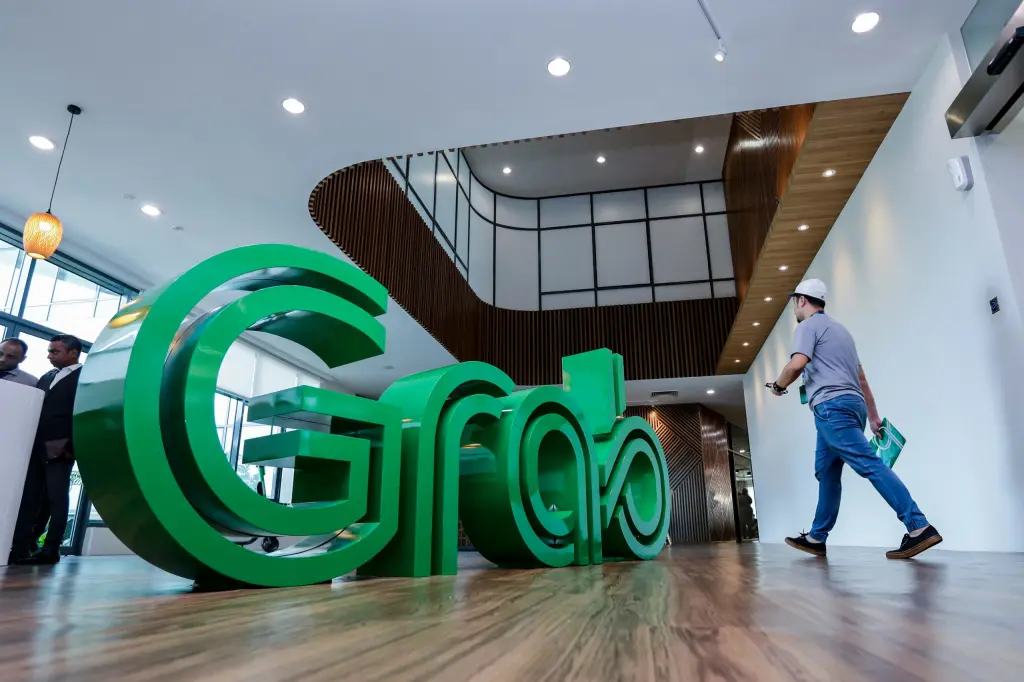
Photo credit: Grab
The Competition and Consumer Commission of Singapore (CCCS) has started an in-depth review of the proposed acquisition of Trans-cab by Grab.
“Upon completion of the review, CCCS will decide whether to issue a favorable or unfavorable decision on the proposed acquisition,” said the regulator on Wednesday.
The initiation of the phase two review followed the regulator’s rejection, on November 24 last year, over Grab’s proposed commitments to address competition concerns raised after the phase one review. CCCS had found that without an in-depth review, it was unable to conclude that the commitment proposal adequately addressed those concerns.
CCCS noted that Grab’s proposed actions did not fully address the issue that the proposed acquisition may give the super-app operator “the ability and incentive to leverage its ownership of the Trans-cab fleet.” Grab could induce Trans-cab drivers to use the former’s ride-hailing platform, while discouraging them from using rival services.
The competition watchdog added that the two-year duration for the commitments proposed by Grab was insufficient to address the concerns that would arise from “a permanent change in market structure.”
“CCCS also found Grab’s monitoring mechanism, which was to be self-policing in nature, to be insufficient,” the regulator said.
CCCS, which is a statutory board under Singapore’s Ministry of Trade and Industry, commenced the phase two review of the proposed acquisition after Grab filed the relevant documents on January 25.
It added that during this in-depth review, Grab may propose revised commitments to address any competition concerns identified.
Grab announced its planned acquisition of Trans-cab in July 2023, which would give it control of about 2,200 taxis and more than 300 private-hire vehicles. The deal would also include Trans-cab’s vehicle workshop and fuel pump operations.
CCCS received the deal application by both parties in August last year and began its phase one review. It raised competition concerns in October, saying that the takeover may increase barriers to expansion and entry for Grab’s competitors.
In 2018, after Grab’s acquisition of Uber’s Southeast Asian business and Uber’s acquisition of a 27.5% stake in Grab, CCCS issued an infringement decision and imposed US$9.5 million in financial penalties after a six-month review.
See also: Does combining Grab with asset-heavy Trans-cab make sense?
This story was republished with permission from The Business Times. It was moderately edited to reflect Tech in Asia’s editorial guidelines.
 Mia Pei