Nadine Freischlad · · 3 min read
Hong Kong startup gets series A to ease logistics pains in emerging markets
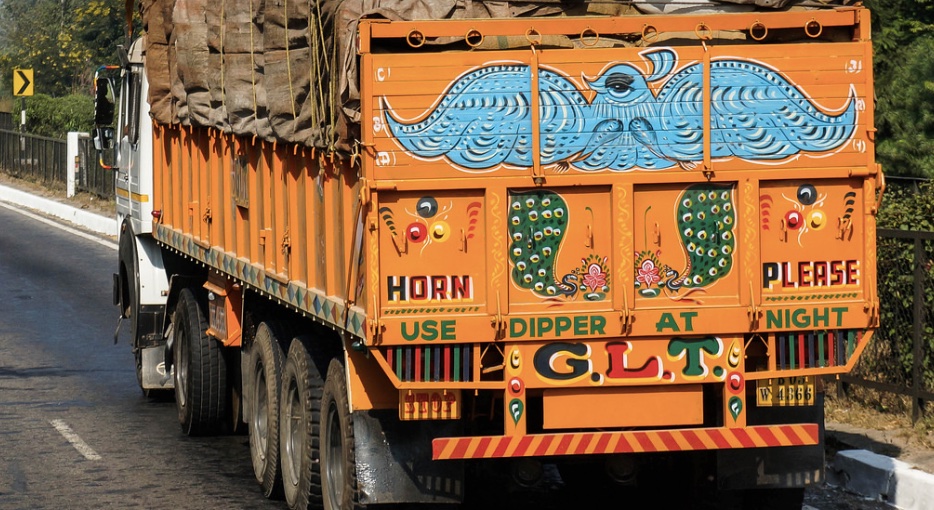
Photo credit: Brando.n.
We know logistics can be a nightmare for ecommerce companies in emerging markets, but their troubles pale compared to those of big shippers who move tons of product every day.
Think of consumer goods giants like Unilever and Nestle. People expect their shampoos, detergents, and candy bars to show up in the tiniest minimarts on the farthest islands, but few think twice about how the products get here.
“Individuals don’t see the world’s largest supply chains,” Max Ward, co-founder and CEO of OpenPort points out. The startup builds logistics software solutions for emerging markets.
The series A funding was needed because OpenPort plans to scale fast now.
Moving things around is a massive industry in emerging Asia, where demand for consumer goods is booming. But the region is expensive for large-scale shippers.
In a study conducted together with consulting firm Roland Berger, OpenPort found that shipping and logistics costs amount to a whopping 26 percent of GDP in Indonesia. In Malaysia and India the ratio is 14 percent, while it’s 18 percent in China.
The problem can’t be attributed to geography and quality of infrastructure alone, Max says.
Countries like Indonesia and China do worse because of supply chain inefficiencies that drive prices up. A huge problem is the lack of what the industry calls “visibility.” There’s little tracking and control – all you can do is hope your shipment shows up when and where expected.
Trucking along
OpenPort wants to help cut down inefficiencies and increase visibility along the supply chain. Indonesia – as a country that feels the pain of high logistics costs deeply – is one country the Hong Kong startup is paying special attention to.
Previously, a giant shipper like one of the big fast-moving consumer goods companies would have had to sign up a third-party logistics provider (3PL) to help move its goods, Max explains.
In Indonesia, services like these are offered by Linfox, Kamajaya, or DHL, for example. But 3PLs don’t necessarily own a large number of vehicles – they outsource the actual transportation to subcontractors called carriers or transporters.
Max estimates there are at least 3,000 to 4,000 of these carrier companies, spread across the archipelago. Some will have fleets of a mere 10 or 20 trucks.
OpenPort’s software brings together shippers and transporters, eliminating the need for 3PL.
Closed series A





Stay updated on the go with our mobile app.
Get latest insights with smoother, more personalized experience through TIA mobile app.