Deepti Sri · · 2 min read
Grab contributed to nearly half of SEA’s food delivery GMV in 2020: report
Ride-hailing giant Grab contributed nearly half of Southeast Asia’s food delivery gross merchandize value in 2020, hitting US$5.9 billion. It also led five out of six of the markets in the region last year, according to a report by tech venture building firm Momentum Works.
It was followed by food delivery service Foodpanda, with a GMV of over US$2.5 billion, and Gojek at US$2 billion.
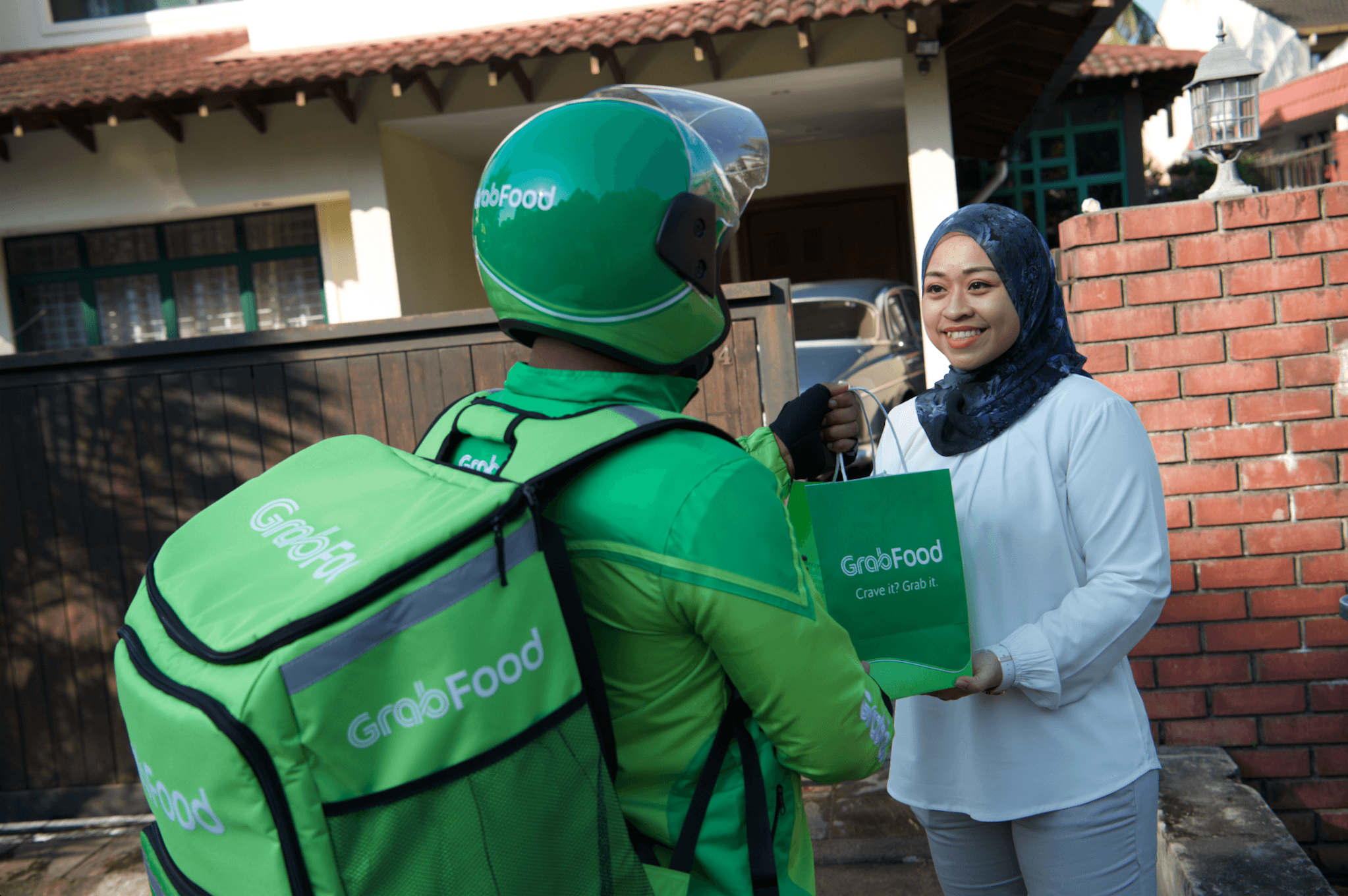
Photo credit: Grab
The report highlighted that the total gross merchandise value of food delivery in Southeast Asia surged 183% from the previous year to reach US$11.9 billion in 2020.
The competition in the food delivery landscape in the region was accelerated by the coronavirus pandemic, along with factors like economic growth, urbanization, and smartphone penetration.
While super apps like Grab and Gojek branched into business-to-business services to capture new revenue streams, global food delivery players like Foodpanda and Deliveroo focused on new customer acquisition through heavy spending on promotions.
However, Momentum Works says that companies need to control acquisition and retention costs, and generate ancillary revenue including advertising and financing to achieve profitability and long-term sustainability.
Indonesia, Thailand, and Singapore were ranked as the largest food delivery markets of the six researched markets in Southeast Asia, contributing US$3.7 billion, US$2.8 billion, and US$2.4 billion in GMV, respectively in 2020.
“Meituan’s success in China, a country where food and labor costs are low, show that growth and profitability are not mutually exclusive for a super app. It offer’s many lessons that the region’s players could learn from,” the report highlighted.
In order to drive better penetration of food delivery services in Southeast Asia, the different players can balance low food prices with greater transaction volumes and density.
Companies can also provide customized services for independent restaurants with limited resources, the report said. It also flags investment in adequate infrastructure to address market differences as a key factor.
Edited by Collin Furtado and Jaclyn Teng
(And yes, we’re serious about ethics and transparency. More information here.)





Stay updated on the go with our mobile app.
Get latest insights with smoother, more personalized experience through TIA mobile app.