Iain Garner · · 5 min read
From the other side of the fence: one developer's thoughts on in-app-purchases
A recent post by Games in Asia editor Charlie Custer sparked a debate within our community about the pros and cons of in-app-purchases (IAP). IAP is everywhere these days and is used by different companies in different ways to monetize games. They are especially prevalent in South-East Asia and China, where free-to-play has become the norm for both mobile and PC gaming.
IAP can take a variety of forms, from the opening up of new levels to hats for your favorite characters. However, IAP is also being used to monetize games in ways that many gamers feel is detrimental to the community, such as limiting a game’s playability or making the game impossible without the purchase of certain items. I recently had a conversation with Don Sim, the CEO of Daylight Studios, creators of Conquest Age, on the subject of IAP. Whilst I don’t agree with all that was said, it is certainly interesting to get the view from the other side of the fence.

Special thanks to day light studios for lending me their CEO for the morning!
Finding a balance
I asked Don about how his company balances the need to make money through IAPs with the need to create a game that’s enjoyable for players. It is extremely important for you to entertain and cater to people who don’t buy IAP because they make up 95-97% of gamers, he told me. If you can’t attract gamers who don’t want to pay, then your game is going to suffer. Balancing the gaming experience between people who will and won’t play is an art that no one has perfected, Don says, but first you need a game that people want to play and that can be improved upon by purchasing certain items.
Of course, you don’t want to make your game unplayable without purchases, he told me, at least not for extended periods of time. But you also don’t want the IAP to be so inconsequential that no one buys it. It’s a tough balance to strike, Don points to his studio’s game Conquest Age as an example of a game that’s enjoyable without IAP but still offers something of value to players who do make purchases.
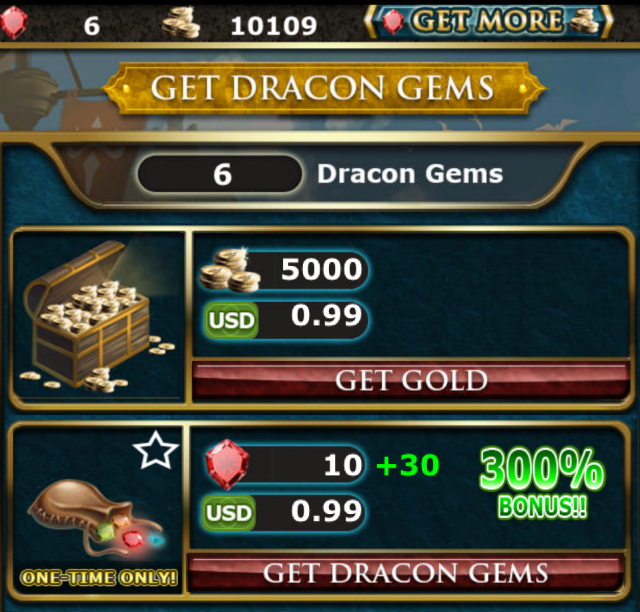
Though Conquest Age does use IAP the developers hope it adds to rather than detracts from the experience.
Debating the stamina system
I asked Don for his thoughts on Charlie’s article about stamina/energy, and how that plays into the IAP debate. His response: “I honestly don’t believe that this feature is the main method of monetizing for these types of games.”.
Don argues that few users are going to keep spending money on something that regenerates automatically — gamers aren’t that impatient — and games with stamina systems are instead mostly monetized via other IAPs.
So why bother with a stamina system, then? Don says it’s a way of limiting how often (and for how long) users can play a game, and steering them towards other parts of the game. Again using Conquest Age as an example, Daylight Studios decided to limit the number of times players can attack because they didn’t want the game to revolve exclusively around attacking. They wanted players to experience all aspects of the game, and this feature pushes them to do that. Attacking is just one way to interact with the world they created.
More importantly, Don says, stamina systems also make the player take full advantage of limited opportunities because if the gamer only has a set number of chances then they are going to prepare, they are going to get the best equipment and items, and they are going to make the most successful attempt possible. Sure, stamina/energy does help Daylight Studios monetize, but it also plays a key role in how the gamer experiences the game, and according to Don that is all part of the design.
Using the same example game as Charlie’s article‘s, TianTian KuPao, Don argued that the goal of the stamina system was not to monetize players’ frustration. Instead, it’s a way of preventing gamers from binging and burning out on relatively simple games. TianTian KuPao is fast-paced, exciting and designed to push the player hard so if they were allowed to play the game repeatedly for hours at a time, Don argues, they would sicken themselves and the experience would be over much faster. By slowing the player down, the game actually improves the player’s overall experience.





Stay updated on the go with our mobile app.
Get latest insights with smoother, more personalized experience through TIA mobile app.