Annie Teh · · 2 min read
An ecommerce newbie’s guide to getting more customers and keeping them


If you run an online retail business, you would have heard the term “conversions” being thrown around. The idea of converting one thing to another can be vague, especially since it is all-encompassing. Advertisements can convert Facebook users to site visitors. A website can convert site visitors to customers. A first-time customer can convert into a loyal one.
The list goes on.
The most frequent question any e-retailer would ask is: how do you get more customers? How do you convince any person who’s visiting your site, regardless of their background and lifestyle, to buy your products?
To answer, we created A Beginners’ Guide to Ecommerce Conversions, a companion for ecommerce newbies who want to refine their customer experience.
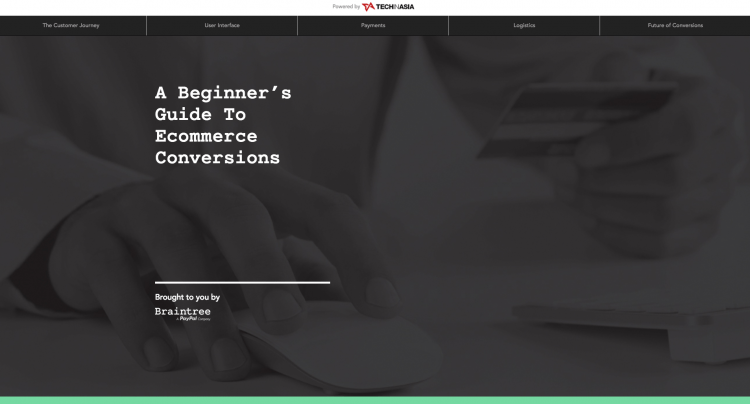
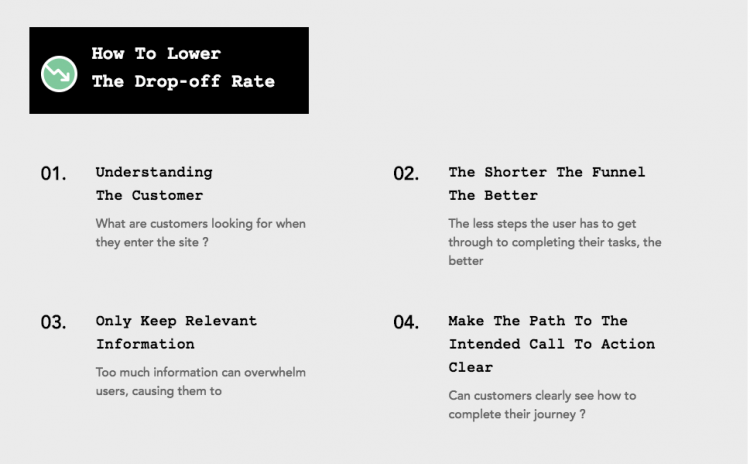
The article is hosted on an individual site — what we’re calling a premium article — complete with interactive elements and eye-catching graphics.
Ecommerce founders can use the guide to decipher complex jargon and learn the how-tos: how to lower a website’s drop-off rate, and how payments and logistics can encourage people to keep coming back to the site.
To read A Beginner’s Guide To Ecommerce Conversions, click the image below.
What other deep dives would you like us to tackle? Let us know in the comments section below!
Stay updated on the go with our mobile app.
Get latest insights with smoother, more personalized experience through TIA mobile app.
Recommended reads
 Fave names ex-Touch ‘n Go exec as chief product officer
 Nykaa’s financial health in 5 charts
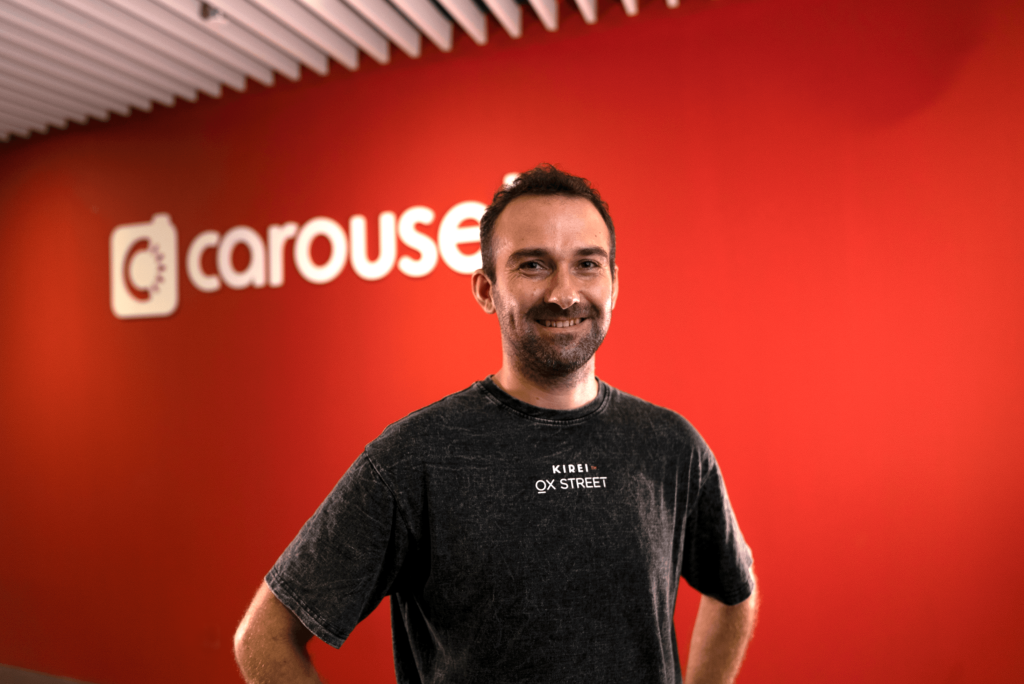 Carousell names Ox Street founder as head of luxury
 Elevar Equity leads $6m seed round of India-based live commerce firm
 JioMart shuts down pilot quick commerce service
 🇮🇳 Roundup: GlobalBees buys fitness brand Reach, more
 ScaleUp Malaysia names 11 startups in third cohort
 Shopee to shut shop in France
 Indonesia’s FDA to Halodoc: Take down listings of prohibited drugs
 This app lets users read faster despite daily distractions





Editing by Judith Balea and Terence Lee
(And yes, we’re serious about ethics and transparency. More information here.)