- Premium Content It takes our newsroom weeks - if not months - to investigate and produce stories for our premium content. You can’t find them anywhere else.
 Putra Muskita · · 6 min read
Gojek’s game plan to modernize warungs
Gojek has become the latest Indonesian unicorn to enter the warung digitization space by rolling out its GoToko service. Gurnoor Singh Dhillon, the new unit’s CEO, points out that there are 3 million warungs in the country, but around 2.5 million of these mom and pop shops are still “underserved.”
“Challenges they face include limited access to supplies, uncompetitive prices, and a lack of reliable and cost-effective delivery services,” he says.
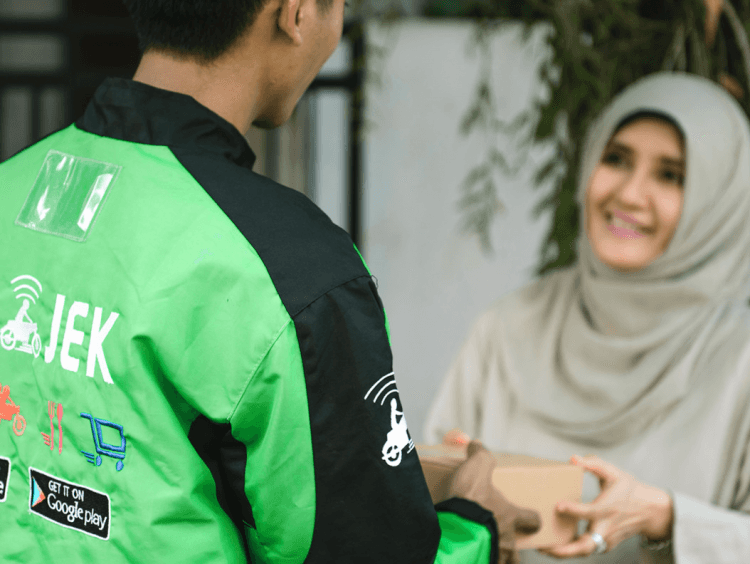
Photo credit: Gojek
GoToko is a natural progression for Gojek, considering the super app’s scale and its logistics network. But it remains to be seen how much the company plans to invest in the service. The launch also comes amid the Covid-19 pandemic, which is limiting mobility in Indonesia’s cities.
GoToko is also a relative latecomer to the scene compared to fellow unicorns Bukalapak and Tokopedia. The former, for instance, launched its Mitra Bukalapak service in late 2017. Gojek’s archrival Grab is also in the space through GrabKios.
But perhaps to make up the difference, GoToko has teamed up with fast-moving consumer goods (FMCG) giant Unilever. As Mitra Bukalapak learned the hard way, such partnerships are crucial in a landscape dominated by large, established companies.
Is logistics the key?
GoToko aims to support the growth of warungs by boosting their income and reducing their costs, according to Dhillon. It plans to offer them consistent access to a wide range of products, competitive and transparent pricing, and “seamless and timely” deliveries.
For brands, working with GoToko lets them expand their reach to warungs. Brands can also gain real-time market data, allowing them to evaluate the performance of various products, he says.
It’s like a gold rush – all the big players are jumping in.
Considering its size and “how warung digitization is a game of scale,” it’s only natural for Gojek to enter this space, says a venture capitalist who asked to remain anonymous. “It’s like a gold rush – all the big players are jumping in. But the market is still big enough, and warungs are a hyperlocal game.”
Dhillon agrees. “We are not focused on cutting market prices, but are instead trying to fill the gaps within the existing market and ensure inclusive growth both now and in the future,” he explains.
For services like GoToko, it’s important that companies offer timely deliveries to warungs. According to a 2019 study from investment firm CLSA, warung owners traditionally purchase their inventory by physically going to wet markets or supermarkets.
Even though buying goods this way may be more expensive compared to sourcing them through a digital service, warung owners don’t need to wait for delivery people to bring over their orders.
For Gojek, its expertise in same-day delivery could be instrumental in encouraging warung owners to order through an app.
The Facebook factor
Stay ahead in Asia’s tech landscape
This is premium content. Subscribe to read the full story.
It’s a relatively late move for the ride-hailing unicorn, but it appears to be a natural progression. The key is in logistics.
We know this is not ideal. ⌛ Sign up in 20 seconds. Cancel anytime.
Our subscriber community includes professionals from these companies:





Stay updated on the go with our mobile app.
Get latest insights with smoother, more personalized experience through TIA mobile app.