 Tracy Qu · · 5 min read
Robotics startup Geek+ is leading China’s push into smart logistics
Four-year-old startup Geek+ Technology has become a rising star in China’s automation revolution, as the Beijing-based company leads the country’s push into logistics robots for the ecommerce and manufacturing sectors.
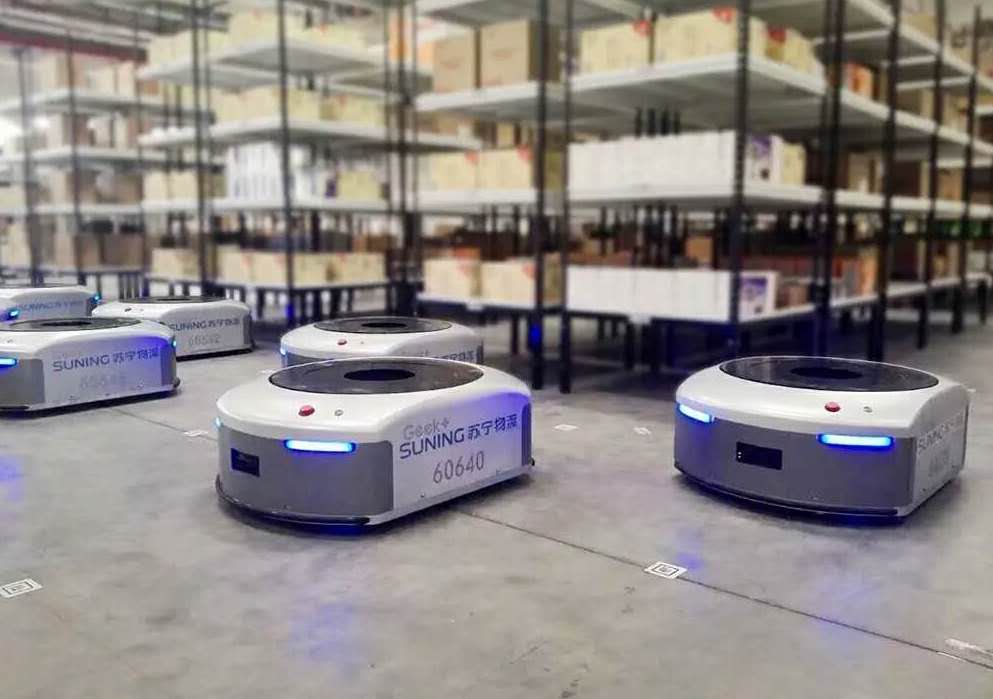
Photo credit: Geek+
Geek+, whose major customers include Alibaba Group Holding, courier company SF Express, and state-owned carmaker FAW Group, has deployed more than 7,000 robots and completed more than 200 smart logistics projects across four continents, according to Zheng Yong, the startup’s founder and chief executive.
Established in 2015, Geek+ offers four different AI-powered robots – picking, moving, sorting, and forklift systems – used in a new generation of almost zero-labor, automated warehouses.
“I think we’ve done a good job combining technology with industry applications,” Zheng said in an interview last week. “How to sell it [intelligent logistics] to the consumer and gain even more trust, along with taking on our competitors – that is the challenge that lies ahead.”
Geek+ put that future on display during the launch of its smart factory in Nanjing on September 25. The new facility, designed with an annual production output in excess of 10,000 robots, employs industrial robots, its own AI algorithms, production logistics management system, and other automated programs to assemble robots.
Its production logistics management setup, which replaces the traditional conveyor belt system in manufacturing, powers all aspects of the facility – from inventory to the production line – to achieve a flexible and more efficient factory.
The robots automatically complete final testing and finished product inspection, after which they directly proceed to the finished product area to be packaged and prepared for shipment.
“In the past four years, we have already developed and implemented game-changing technologies for warehousing operations,” said Zheng, 40, in a statement after the Nanjing factory’s launch.
“With smart factories, we continue to pave the way for a truly intelligent supply chain.”
It has keen competition, though. Last year, Japanese clothing retail chain Uniqlo remodeled its existing warehouse with an automated system created in partnership with Japanese logistics firm Daifuku, helping to reduce staffing costs. Quicktron, a Shanghai-based warehouse robot startup founded in 2014, also offers services in more than 15 countries and regions.
Mujin, a Tokyo-based startup, has developed robot controllers that can fully automate warehouses and fulfillment centers. Chinese ecommerce giant JD.com transformed a 40,000-square meter warehouse in Shanghai with Mujin’s technology last year.
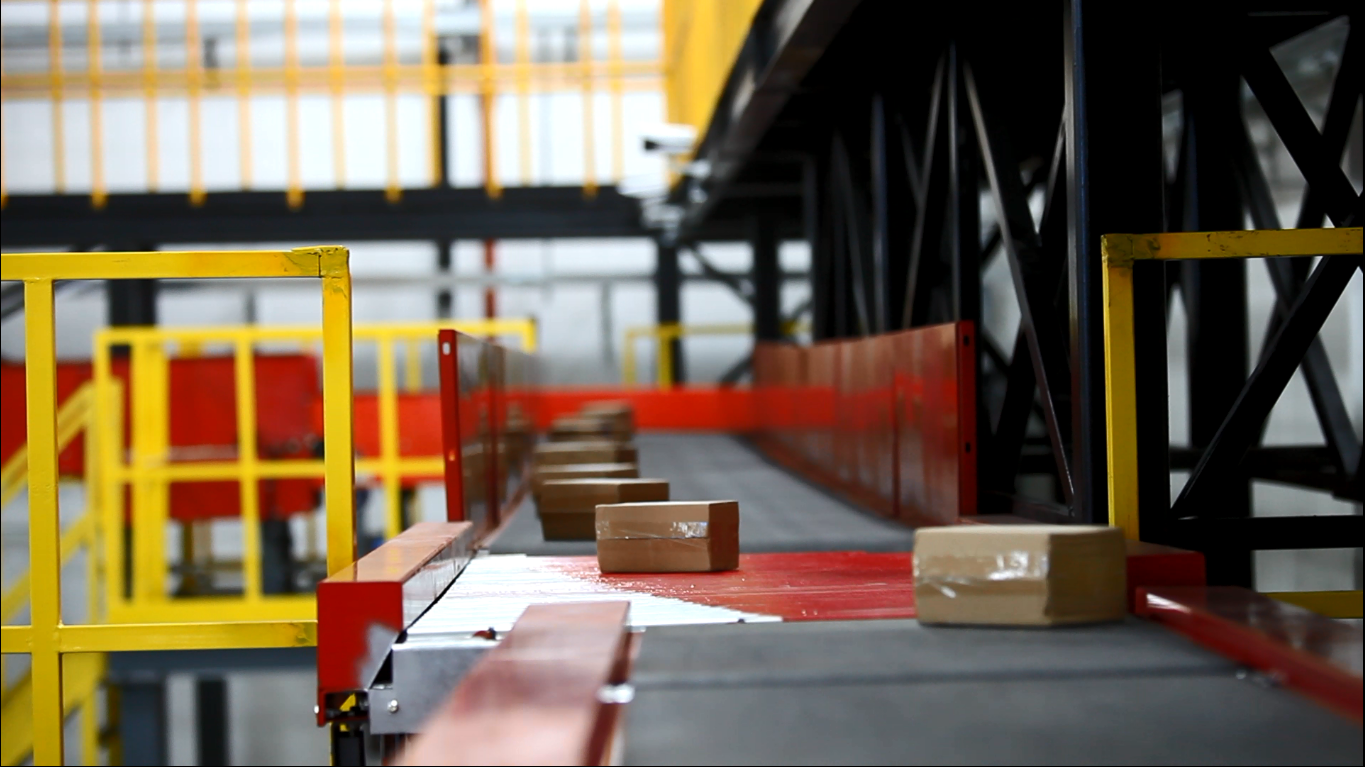
JD.com’s automated sorting center in Kunshan / Photo credit: JD.com





Stay updated on the go with our mobile app.
Get latest insights with smoother, more personalized experience through TIA mobile app.










📅 Upcoming Events
22 October 2026
Payoneer x CSPN Summit 2026