- Premium Content It takes our newsroom weeks - if not months - to investigate and produce stories for our premium content. You can’t find them anywhere else.
 Shintya Felicitas · · 5 min read
DishDash, a food-delivery startup for businesses, is growing revenues at 40% a quarter
A poor diet could cost as much as 20 percent of lost productivity, according to a study by the International Labour Office (ILO), showing that there’s a direct correlation between nutrition intake and productivity rates.
For Singapore-based startup DishDash, this figure is not just a statistic – it’s also a business opportunity. Recognizing that employers are increasing focus on their staff’s health and well-being, former Foodpanda business intelligence manager Christian Schneider and ex-Facebook strategic partner manager Kim Woodward founded DishDash in 2016. Their startup, which doesn’t have a central kitchen, works with third-party food providers.

Photo credit: Unsplash
DishDash has two main business lines: event catering and daily meal plans. Corporations can register as a client and order food through the DishDash portal. Customers only need to set the frequency, budget, and cuisine types, then DishDash will do the rest.
When Tech in Asia caught up with the company in 2017, it had received seed funding from 500 Startups, where Woodward was previously director of market development for Southeast Asia.
Since then, DishDash has received more seed investments from a family fund, some angel investors, and the chief financial officer of a prominent Asian food and beverage conglomerate. Additional backers include executives at major tech players, such as Amazon, LinkedIn, Atlassian, Airbnb, and several others.
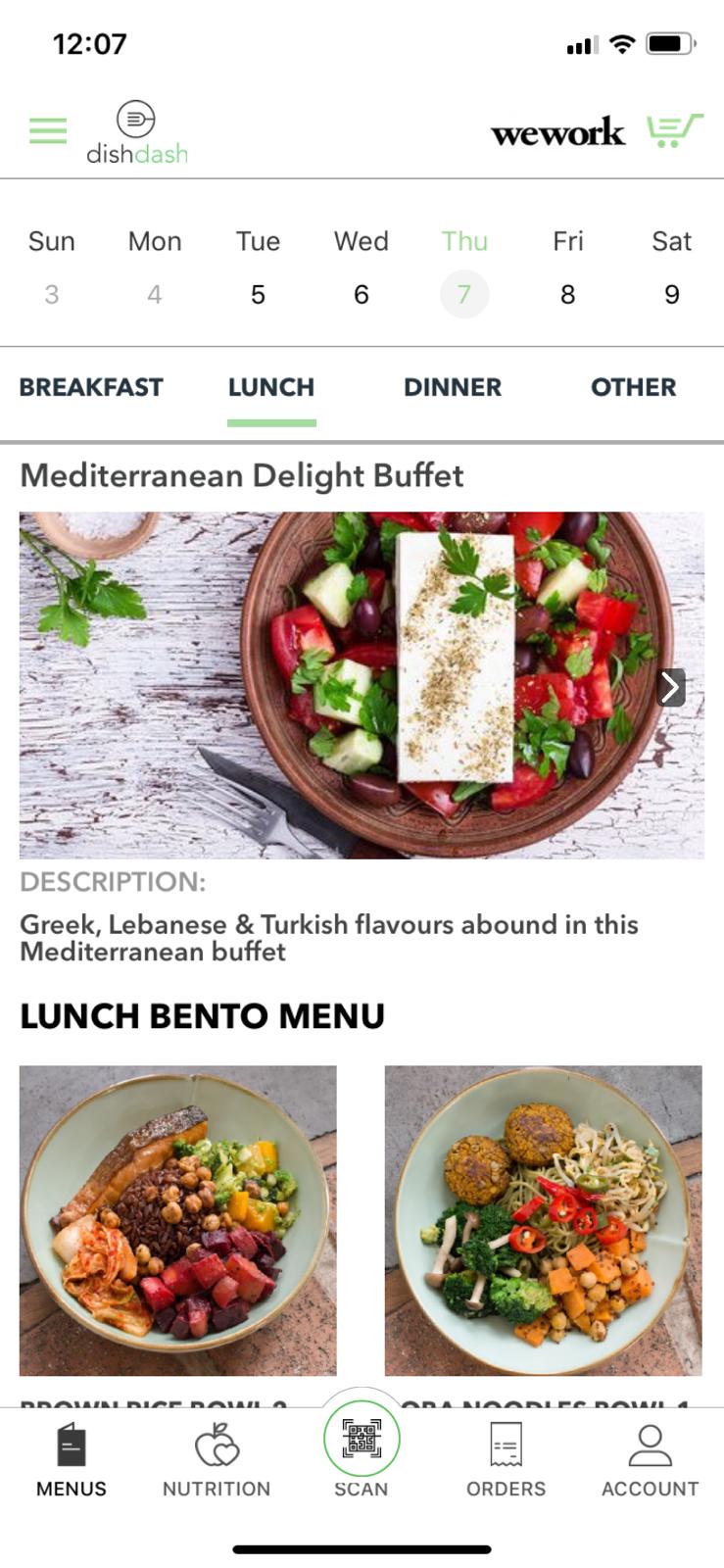 DishDash has also significantly grown its daily meal plan business, for which it charges a recurring fee. While its client base has remained stable at around 300 since 2017, Schneider tells Tech in Asia that most of its customers are now on fixed plans rather than making ad-hoc orders. As a result, the startup’s revenue has been growing 40 percent per quarter on average.
The food-delivery sector is highly competitive. In Asia, the business-to-consumer market is already crowded and its margins are thin. However, Schneider is certain that the business-to-business space still has room to grow.
In addition, instead of just limiting itself to food delivery, DishDash is exploring how it can supply technology to help organizations manage their food programs. “We’ll be the technology stack provider – that’s our focus,” he shares.
The goal is to offer clients a way to overlay DishDash’s “health and wellness tools” onto their existing food programs, giving them unprecedented access to data on what their employees eat.
“Less sugar for pantries, fewer carbs during lunch hours, fewer fatty acids during productivity sprints, all manageable via a dashboard for teams around the world. Any company that provides some form of employee food program – whether subsidized or not – would benefit from our technology,” Schneider explains.
Beyond the corporate world, DishDash wants to eventually deploy its technology in hospitals as well as for food catering services in schools, managed care facilities, and the hospitality sector.

Stay ahead in Asia’s tech landscape
This is premium content. Subscribe to read the full story.
It’s turning into a technology stack provider as it gears up for series A funding this year.
We know this is not ideal. ⌛ Sign up in 20 seconds. Cancel anytime.
Our subscriber community includes professionals from these companies:





Stay updated on the go with our mobile app.
Get latest insights with smoother, more personalized experience through TIA mobile app.