Thu Huong Le · · 5 min read
Defrosting the potential of Indonesia’s cold chain logistics
Welcome to The Checkout! Delivered every Thursday, this free newsletter breaks down the biggest stories and trends in ecommerce. View past issues here or sign up here to receive future newsletters.
Hi there,
Despite playing a critical role in our lives, logistics has never been a sexy topic. But at Tech in Asia, we want to spotlight startups that try to solve complex, grueling, behind-the-scenes problems.
In this week’s Big Story, written by my colleague, Jofie, we look at cold chain logistics, a promising sector in Indonesia in the post-Covid era.
Cold chain logistics deals with the transportation of temperature-controlled products. In Indonesia, this market could be worth more than US$12 billion by 2031, according to the US-based Allied Market Research. The research firm also notes that the sector is suffering from “a lack of standardization and high operational costs.”
That’s where startups like Paxel, Superkul, and Fresh Factory come in. These startups aim to integrate cold chain services with tech such as on-demand apps for last-mile delivery or smart warehousing systems. But with fuel prices on the rise and large incumbent domestic players in the logistics sector, can these startups prevail?
For the weekly Hot Take, I predict that ByteDance might have another treat for Southeast Asia after rolling out TikTok Shop to disrupt established ecommerce marketplaces. In the future, you might end up booking your next massage or haircut on TikTok. Surprised?
– Huong
THE BIG STORY
Is cold chain the next growth opportunity for Indonesia’s logistics startups?

Image credit: Timmy Loen
As the price war in ecommerce logistics intensifies, cold chain may be the space to watch.
THE HOT TAKE
After launching TikTok Shop, ByteDance might expand local-life services to SEA
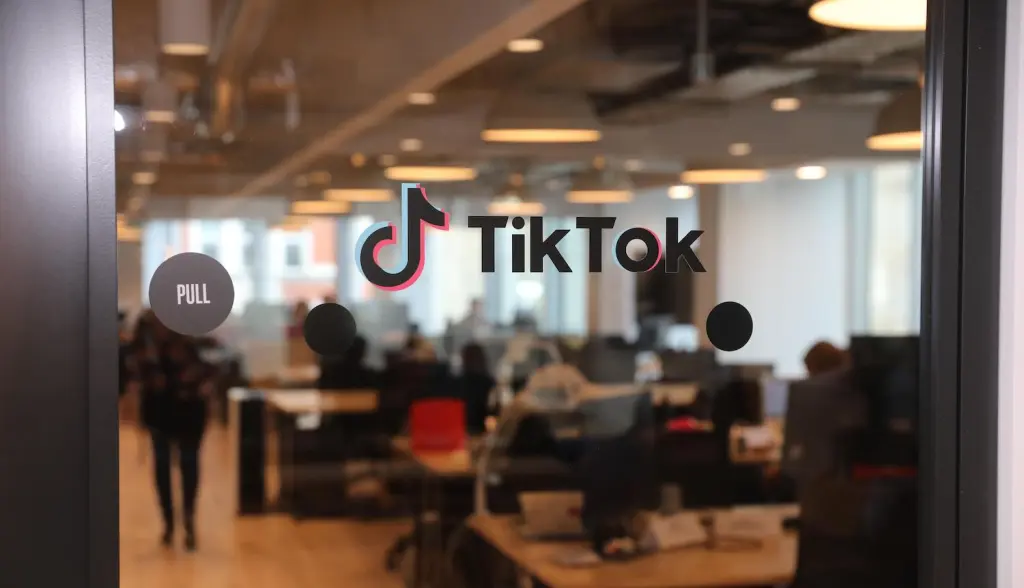
Photo credit: ByteDance
Here’s what happened:
- Douyin, the Chinese version of TikTok, has made aggressive moves to compete in offering services such as food and groceries.
- The gross merchandise value (GMV) of Douyin’s local-life business reportedly topped US$3.28 billion in the first half of this year.
- Following the initial success of TikTok Shop’s rollout in Southeast Asia, local-life services could be the next big play. Given that ByteDance is said to have raised the annual GMV target of its local-life services business to US$7.4 billion, it needs to look for new revenue sources outside China.
Here’s our take:
To simplify, local-life services are not just food and groceries but also other services such as a haircut or a massage, offered by local businesses.
Obviously, Gojek, Grab, and Shopee already offer many local services for users in Southeast Asia. The difference here is that these platforms do not prioritize livestreaming or short videos – the key strengths of Douyin in China or TikTok in overseas markets.
Imagine this: You’re searching for a nearby massage parlor and have the option of booking an appointment directly on TikTok after watching a short video from the business. The convenience would be unmatched and the booking experience could be seamless. After rolling out TikTok Shop, ByteDance wants users to make in-app purchases available not just for goods but also for services.
While on Shopee, shoppers plug in certain keywords to search for an item, TikTok Shop can create “impulsive” demand, meaning users might order an item if they find the related content entertaining enough, as Tech in Asia previously analyzed in this in-depth report.
The same concept can be applied to services. You might not be thinking about getting a massage until the TikTok algorithm suggests you do so.
According to the South China Morning Post, Douyin has already connected with about 1 million offline businesses. While online-to-offline (O2O) commerce is not new in Southeast Asia, it’s safe to say that none of the platforms or online-offline retailers have traffic and engagement at the scale of TikTok.
But as always, it all boils down to incentives. If it does roll out local services, TikTok needs to offer even more discounts and subsidies to offline merchants and consumers. Notable incumbents in Southeast Asia’s O2O space include Fave and Shopback, which already have been enabling offline merchants to provide cashback, flexible payment options, and deals for consumers.
However, on-demand lifestyle services have been a hit-or-miss space in Southeast Asia. Gojek, for instance, closed down its GoLife unit – which offered massages, house cleaning, and air conditioning repair services – in 2020, as the numbers didn’t quite meet expectations.
The bigger question, though, is whether TikTok Shop can incentivize repeat orders through its platform. The platform is engineered for impulsivity, but unlike usual discretionary retail transactions, services like food delivery and e-grocery depend on repeat purchases over a longer period of time (You need meat and vegetables every week but shouldn’t be buying new shoes every week).
There is another problem inherent in lifestyle: How can TikTok Shop prevent users from booking directly through the service provider – a problem startups in the space have faced.
As far as food delivery goes, a tie-up may be crucial – similar to Douyin’s partnership with Alibaba-backed food delivery Ele.me in China. Will we witness a similar partnership between TikTok and GrabFood or ShopeeFood in the region?
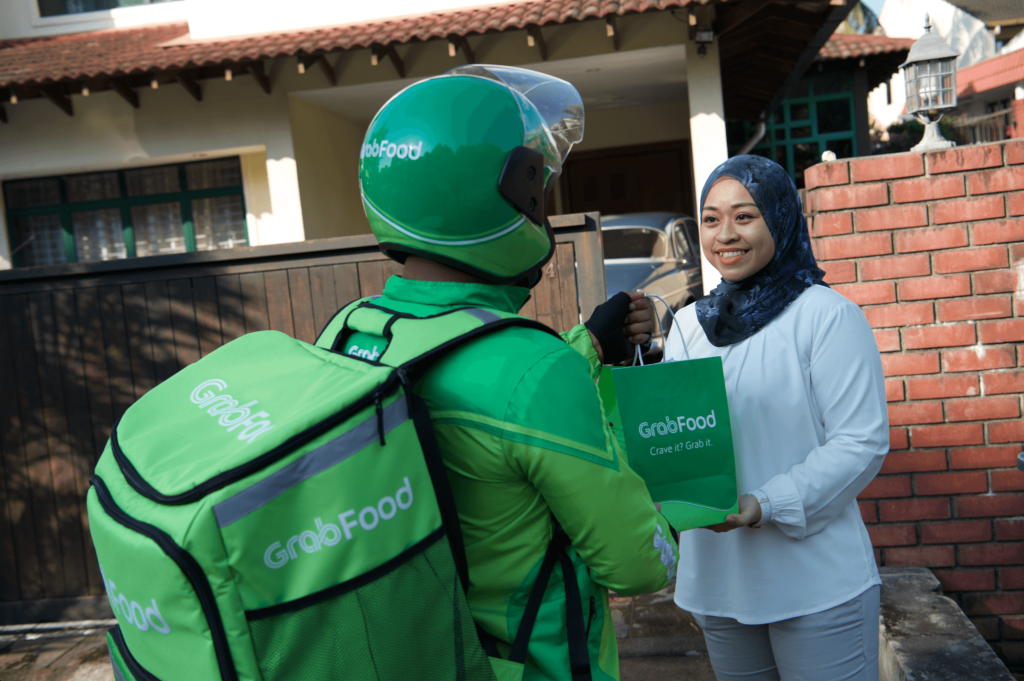
Photo credit: Grab
TikTok’s archrival, Meta, appears to be moving slowly in this space, but the US-based firm is also an investor in Gojek (and, in turn, its GoFood delivery service), and food merchants can already link to their GoFood storefronts on Instagram.
Meanwhile, Shopee has also rolled out an integrated Facebook Ads feature for its merchants. While it’s unclear whether the feature is available to ShopeeFood merchants, the strategy would definitely make sense.
– Huong
NEWS YOU SHOULD KNOW
Check out Tech in Asia’s coverage of the ecommerce scene here.
1️⃣ ByteDance has launched another Shein-like platform called If Yooou, which targets European consumers.
2️⃣ Carro, one of Southeast Asia’s top used-car marketplaces, has ventured into Japan through a partnership with SoftBank.
3️⃣ Lazada CEO James Dong said the platform can compete with other rivals after receiving an injection of nearly US$913 million from parent Alibaba earlier this year, Nikkei Asia reported.
4️⃣ Shopee has reportedly laid off more employees in Thailand, according to DealStreetAsia.
5️⃣ For the first time ever, Amazon is holding a second Prime Day event on Oct 11 and 12 to boost sales as consumers tighten their belts.
FYI
Mitra has flattered Bukalapak’s financials, but new challenges await
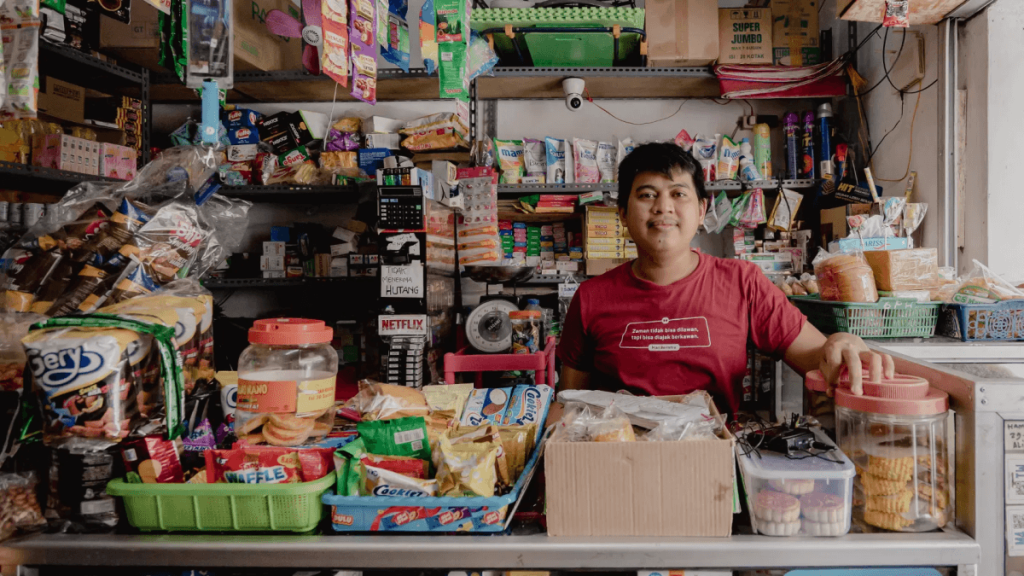
A warung in Indonesia / Photo credit: Bukalapak
Tech in Asia explains why Mitra, which enables small merchants to procure goods, is Bukalapak’s new bread and butter.
That’s it for this edition – we hope you liked it! Do also check out previous issues of the newsletter here.
See you next week!
Editing by Putra Muskita and Arpit Nayak
(And yes, we’re serious about ethics and transparency. More information here.)