- Premium Content It takes our newsroom weeks - if not months - to investigate and produce stories for our premium content. You can’t find them anywhere else.
 Nikita Puri · · 9 min read
Dark stores light up red-hot grocery delivery market
Nitesh Chellaram, co-founder of Indonesian grocery delivery startup Dropezy, has been busy hiring staff for a network of dark stores that the startup plans to launch in Jakarta soon.
But many of the candidates didn’t know what a dark store was. “I tell them it’s like a cloud kitchen, but instead of a kitchen it’s actually a store,” Chellaram says, adding that the more widely understood term in the region is microdistribution hubs.
At Mumbai-based Zepto, a startup that came out of stealth mode recently with a funding announcement of US$60 million, dark stores are defined as cloud grocery stores. “They are units optimized for delivery-only service,” says Aadit Palicha, the company’s c0-founder and CEO.
Kabeer Biswas, CEO and co-founder of Google-backed hyperlocal delivery startup Dunzo, jests that the people who coined the name dark stores are likely the ones who also created the term “quick commerce,” which promises doorstep deliveries in minutes instead of hours.
This is “just a cute term for online-only facilities that stock pretty much everything a regular store does – though they might be smarter with inventory management,” he says.
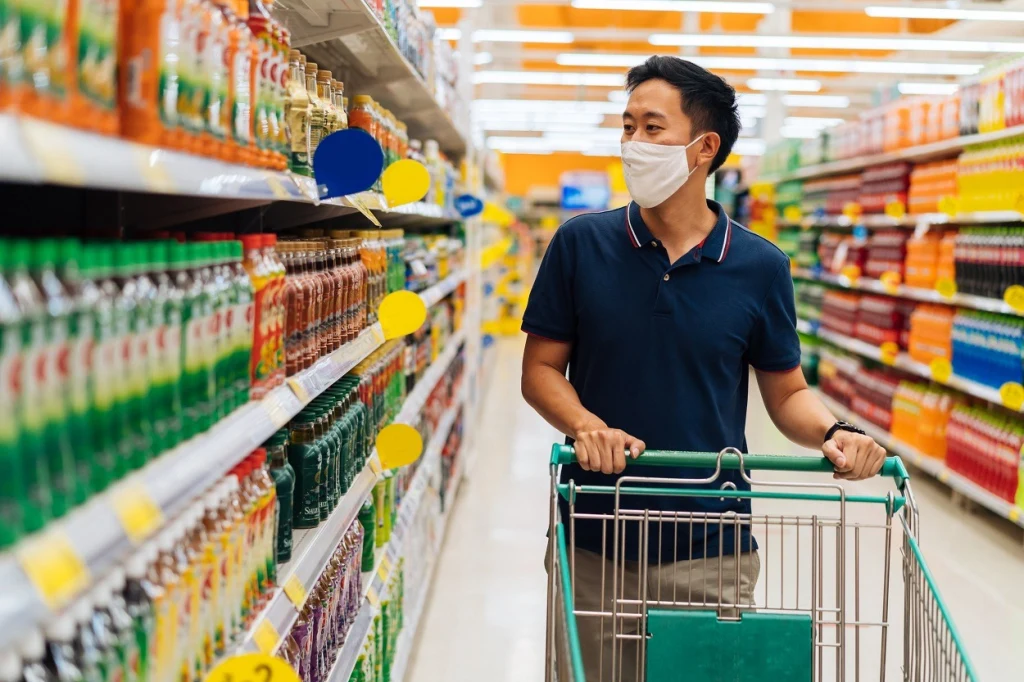
Photo credit: 123rf.com/twinsterphoto
Setting aside debates on the nomenclature of these microfulfilment centers, dark stores and quick commerce, which are two sides of the same coin, could become the future of grocery deliveries and more. The popularity of this model has been observed particularly in the US, UK, and parts of Europe.
And while dark stores are relatively newer to India and Southeast Asia, their adoption has been swift. Last August, Walmart-backed ecommerce major Flipkart announced it was opening dark stores across India soon after launching Flipkart Quick, its hyperlocal delivery unit focused on groceries and best sellers like smartphones.
Ride-hailing unicorn Ola also launched a pilot project this month to deliver groceries in 15 minutes in Bengaluru, and Zomato-backed e-grocer Grofers announced its 10-minute delivery service in 10 Indian cities in August. This week, Grofers revealed it had launched its 200th dark store, a process that took three months to complete. It plans to roll out another 150 stores in the next 45 days.
Meanwhile, ride-hailing giant Grab opened its first dark store for grocery delivery in Malaysia’s Klang Valley last December and followed it up with the launch of similar stores in Singapore and the Philippines this year.
See also: The key players in Southeast Asia’s online grocery market
There’s good reason for companies to eye this segment. According to management consultancy firm RedSeer, India’s consumables market is projected to grow sustainably for the next five years to hit roughly US$1 trillion by 2025 from US$725 billion in 2020.
Similarly, Southeast Asia’s online grocery market is expected to grow at a compound annual growth rate of 24% over the next five years, reaching US$11.9 billion by 2025, according to Euromonitor International.
Big hopes from micro stores
Dark stores, which are typically between 1,500 to 3,000 square feet, usually only cater to orders in the immediate neighborhood. More often than not, orders coming out from these microfulfilment centers aren’t monthly groceries but small portions of goods to be replenished every few days.
Pick, pack, ship
A battle of minutes
Changing of the guard
Stay ahead in Asia’s tech landscape
This is premium content. Subscribe to read the full story.
Dark stores could be the missing link in the competitive hyperlocal grocery delivery market in Asia.
We know this is not ideal. ⌛ Sign up in 20 seconds. Cancel anytime.
Our subscriber community includes professionals from these companies:





Stay updated on the go with our mobile app.
Get latest insights with smoother, more personalized experience through TIA mobile app.








📅 Upcoming Events
22 October 2026
Payoneer x CSPN Summit 2026