 Miguel Cordon · · 4 min read
As Covid-19 wipes out ride-hailing, Myanmar’s Oway turns to online groceries
Covid-19 has taken a heavy toll on ride-hailing startups worldwide. Uber, one of the biggest names in the industry, has laid off 6,700 employees and closed 34 offices due to the pandemic.
Southeast Asian players Grab and Gojek have taken similar measures to save on costs during the crisis, with the former slashing 360 jobs – around 5% of its total headcount – and the latter letting go of 430 people, or 9% of its staff.
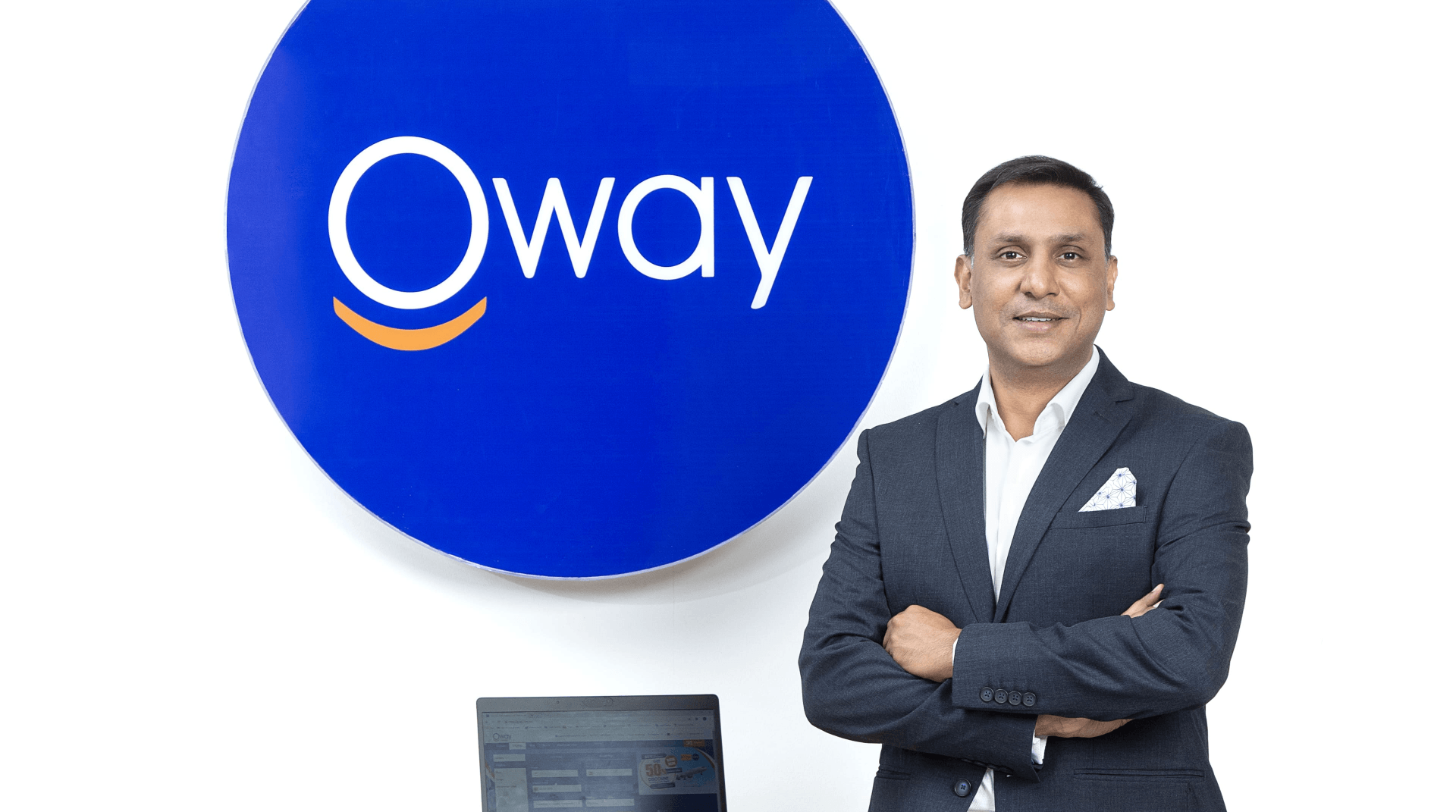
Oway Group CEO Alok Kumar / Photo credit: Oway
Myanmar-based Oway Group has found itself in a similar situation.
The company started off in 2012 as Oway Travel and Tours – an online travel platform that remains to be the group’s largest business to date – before entering the ride-hailing market in 2015 with Oway Ride. The company has raised a total of US$26 million so far from investors such as the World Bank’s International Finance Corporation, Openspace Ventures, Emerging Markets Group Holding Corporation, and Daiwa PI Partners.
However, Oway CEO Alok Kumar tells Tech in Asia that the pandemic has “completely decimated” the ride-hailing and travel sectors in Myanmar, forcing the company to move fast and accelerate its planned entry into the online grocery space.
Switching lanes
Yangon, the largest city in Myanmar where Oway Ride is based out of, stayed mostly quiet in April after the government imposed lockdown measures to curb the spread of the virus. The stay-at-home orders were then extended in May for several townships in Myanmar.
Kumar shares that these strict measures have affected Oway’s business lines both negatively and positively. With traveling banned and people wanting to stay safe, Oway Travel and Tours has seen a drop in activity, Kumar says, without sharing specific figures.
Meanwhile, the company’s corporate fleet service, Oway Fleet, has seen an increase in demand, though this uptick isn’t enough to offset the losses from the company’s other services, the CEO notes.
Oway now relies on its online supermarket, Oway Fresh, to keep the small momentum.
According to Kumar, Oway Fresh is an end-to-end ecommerce service, taking care of not just delivery but also sourcing, quality control, and packaging. It’s focused on everyday needs such as fruits, vegetables, and meat.
It also offers non-food items from focused categories such as personal care, cleaning supplies, and baby products. In the future, the company is considering adding healthcare products and essential services to the mix.
Oway Fresh has partnered with fast-moving consumer goods companies such as Unilever and tapped into its own network of driver partners for deliveries.
“We are using the distribution margin from our partners as our revenue model,” says Kumar. “Consumers benefit – they get to buy better quality at the same, or better prices, compared to street vendors or other platforms.”
Staying on the right track





Stay updated on the go with our mobile app.
Get latest insights with smoother, more personalized experience through TIA mobile app.











📅 Upcoming Events
22 October 2026
Payoneer x CSPN Summit 2026