- Premium Content It takes our newsroom weeks - if not months - to investigate and produce stories for our premium content. You can’t find them anywhere else.
 Jofie Yordan · · 7 min read
Why cloud kitchens stay afloat in PH as model evaporates in SEA
During the Covid-19 pandemic, cloud or ghost kitchens were pitched as the future of the food industry. Startups across Southeast Asia raised millions of dollars to build delivery-only kitchens that could launch multiple brands from a single facility.
But as lockdowns ended and food delivery growth slowed, the model started to unravel. Several cloud kitchen players across the region have either shut down or slashed their operations, but a few remain in the game.
In the Philippines, some VC-backed players have pivoted from the model. Kraver’s Canteen has shifted to meal plan deliveries while MadEats seems to be focusing on its affordable coffee brand.
Launched in 2019, CloudEats still operates cloud kitchens across Metro Manila – the Philippines’ capital region – and nearby cities. At one point, the company ran over 50 cloud kitchens in the country and Vietnam, a market that it entered in 2022 but left two years later.
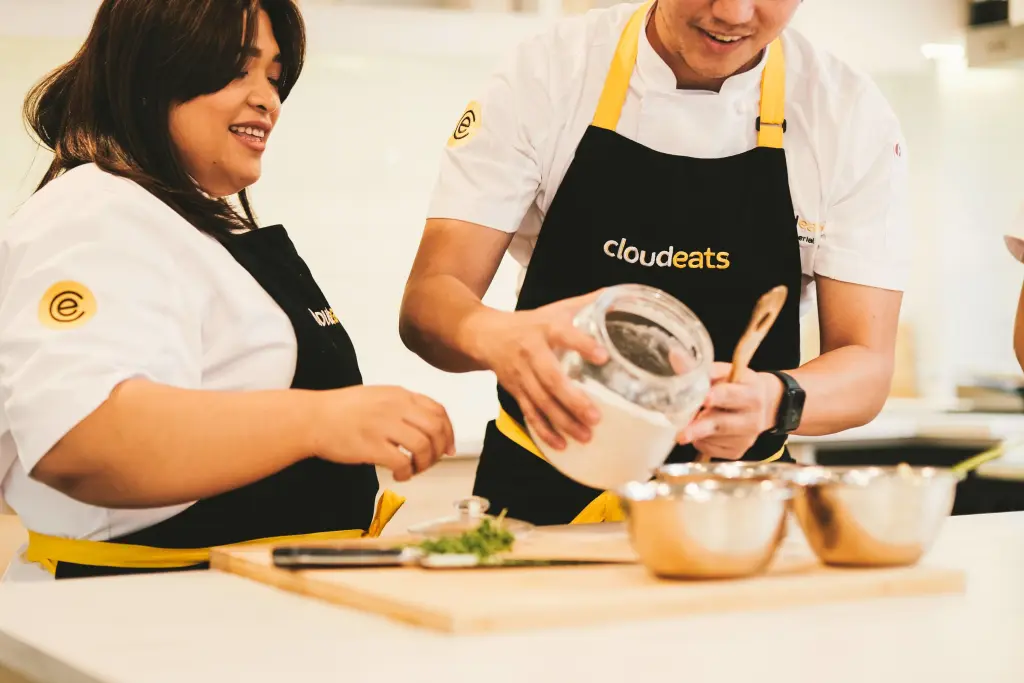
Photo credit: CloudEats
In 2025, CloudEats led The Philippines’ Growth Champions, an annual list organized by local broadsheet Philippine Daily Inquirer and market research firm Statista that features the country’s fastest-growing firms.
According to the list, CloudEats earned over 1.1 billion pesos (US$18.9 million) in 2023, up from its total revenue of P123.3 million (over US$2 million) in 2020. Meanwhile, its absolute growth rate hit 821.74% while its compound annual growth rate stands at 109.67%.
CloudEats’ success shows that while the business model might not work everywhere, it could be viable under certain conditions.
“Maybe the only two countries in Southeast Asia that have seen big cloud kitchen companies arise are Indonesia and the Philippines,” Enrique Marchán Domenech, CloudEats’ strategy and expansion lead, tells Tech in Asia. “I think they share the same characteristics.”
In Indonesia, one of the notable remaining players is Hangry, which raised US$10.5 million in October 2025. Established in 2019, it has 18 brands and runs over 120 outlets in the country, mostly in Greater Jakarta.
Success factors
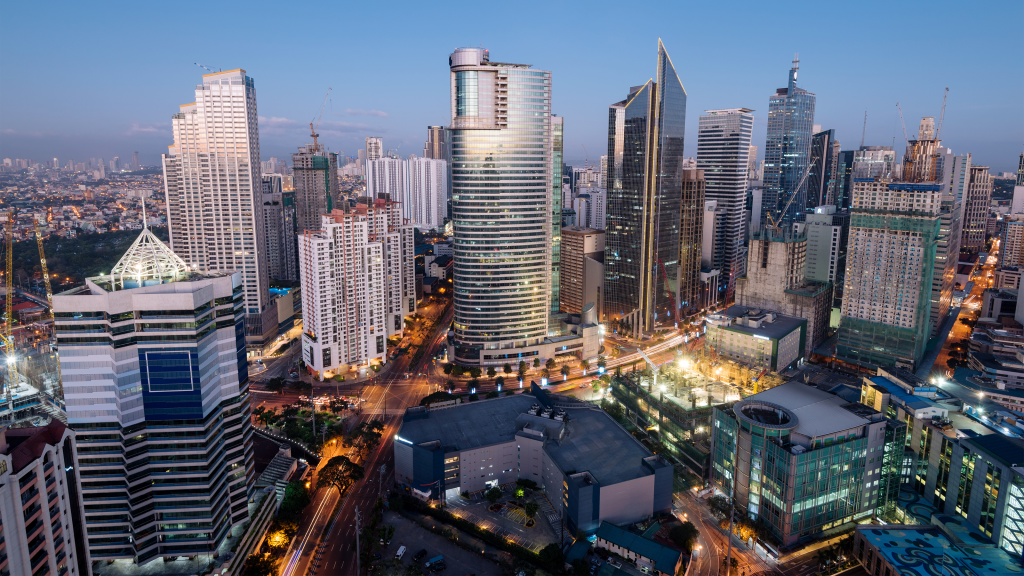
Metro Manila is composed of 16 cities and one municipality while Jakarta is a special autonomous region. The populations in their metropolitan areas stand at around 15 million and 12 million, respectively.
CloudEats sets up kitchens within “mini clusters” in Metro Manila – small zones of dense demand where many customers order food within a relatively short distance. Algorithms tend to prioritize restaurants located closer to customers because shorter delivery times improve user experience.
“In [Metro] Manila, some of the areas have the highest density in the world, even higher than India or Pakistan,” Domenech explains.
Brand over format
Tough unit economics
Is there still a future?
Stay ahead in Asia’s tech landscape
This is premium content. Subscribe to read the full story.
Once a thriving industry, cloud kitchens are struggling across Southeast Asia – except in the Philippines, where conditions allow the model to work.
We know this is not ideal. ⌛ Sign up in 20 seconds. Cancel anytime.
Our subscriber community includes professionals from these companies:





Stay updated on the go with our mobile app.
Get latest insights with smoother, more personalized experience through TIA mobile app.