Kul Bhushan · · 1 min read
Scientists use collagen from bullfrog skin to heal chronic wounds
Scientists at Nanyang Technological University (NTU) and medtech firm Cuprina Wound Care Solutions (Cuprina) have developed clinical-grade collagen from discarded bullfrog skin to treat chronic wounds and other skin healing issues.
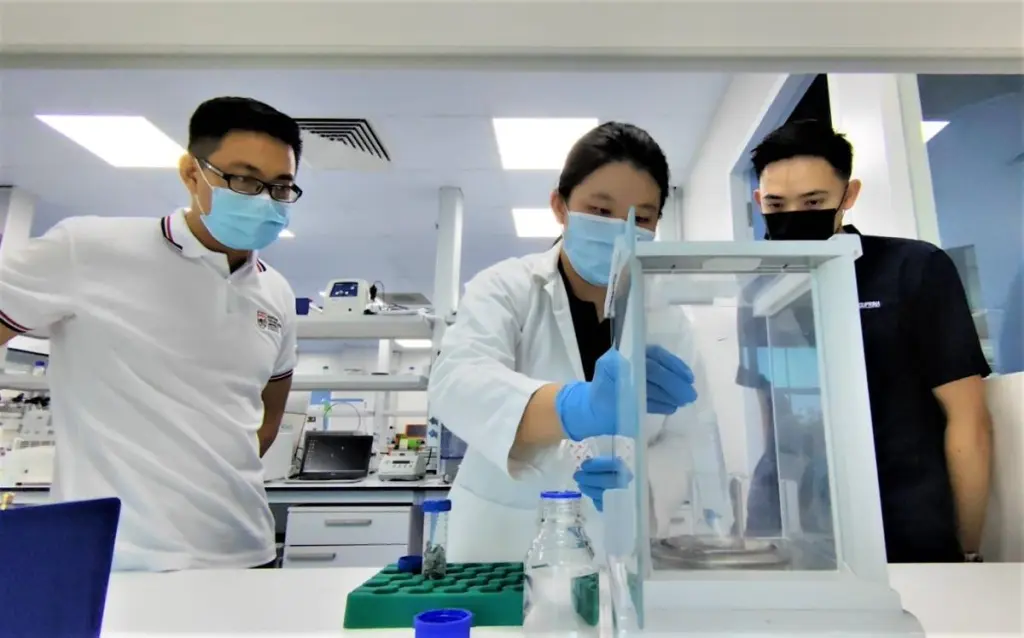
Photo credit: NTU, Cuprina
As part of the collaboration, Cuprina has received an exclusive license to scale up the commercial production of the collagen product. This complements the firm’s Medifly offering, which uses medical-grade maggots to make wound dressings.
Scaling up efforts will include setting up a lab in Singapore that will adopt NTU’s collagen extraction and dressing development processes.
According to scientists, skin healing comes in three phases: inflammatory, proliferative, and maturation.
During the first phase, Cuprina’s Medifly works with enzymes produced by the body to clean up and disinfect the wound, allowing the body to leverage the maximum effect of the new collagen patch.
“For the second phase, the collagen patch aims to provide a scaffold for the white blood cells and healing agents to coagulate and form a protective layer for the healing to begin,” the firms said in a joint statement.
In the final phase, the collagen patch helps with faster recovery by ensuring the wound is moist and serves as a “building block” material for the skin to heal.
See also: Singapore could lose more biotech firms
Editing by Miguel Cordon and Joy Tirkey
(And yes, we’re serious about ethics and transparency. More information here.)





Stay updated on the go with our mobile app.
Get latest insights with smoother, more personalized experience through TIA mobile app.