- Premium Content It takes our newsroom weeks - if not months - to investigate and produce stories for our premium content. You can’t find them anywhere else.
 Nikita Puri · · 8 min read
Singapore could lose more biotech firms
For two years, Eugene Wang, co-founder and CEO of Sophie’s Bionutrients, had been in search of a protein extraction specialist in Singapore. The startup, which grows microalgae in bioreactors to develop ingredients for alternative proteins, hadn’t been able to find the right fit.
Within weeks of relocating its headquarters to the Netherlands’ Food Valley in September 2021, the startup found the specialist it needed.
“Singapore was the place we were born. It gave Sophie’s Bionutrients the first nutrients – the money and talent it needed – to grow,” says Wang. “Without that support, it wouldn’t have been possible for us.”
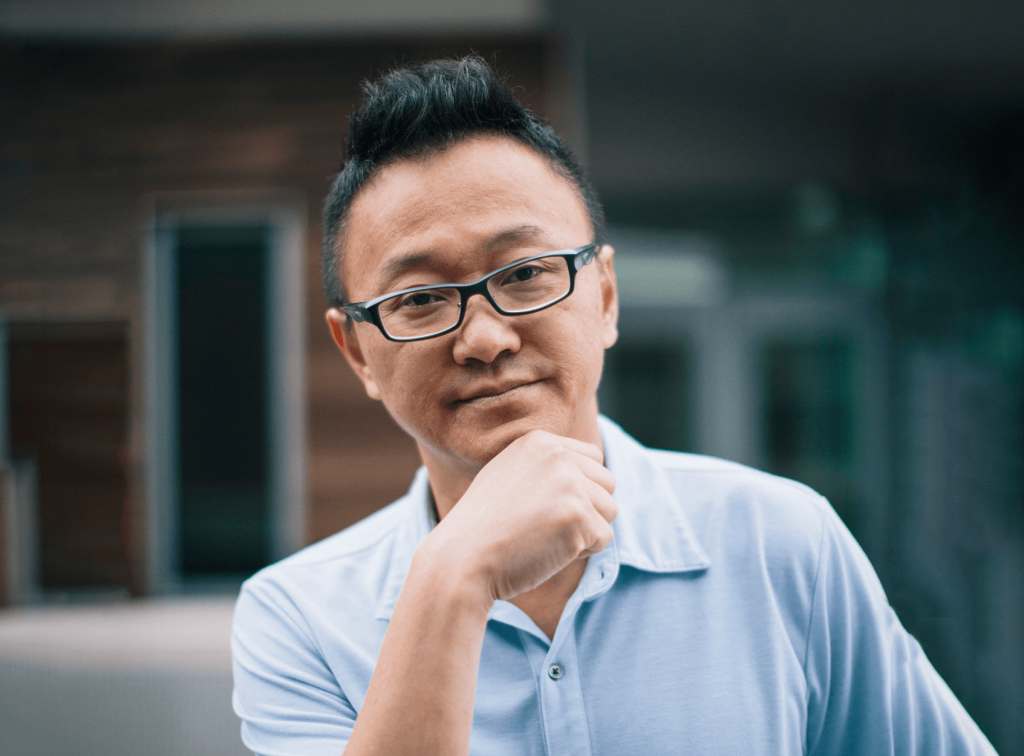
Eugene Wang, co-founder and CEO of Sophie’s Bionutrients / Photo credit: Sophie’s Bionutrients
But a battery of reasons, including recruitment, pushed the firm to move its headquarters out of the city-state.
Some believe Singapore’s push for alternative proteins have had perhaps the unintended effect of the country becoming “the de facto model” for how others should regulate and encourage novel foods. But the big picture isn’t that simple.
Sophie’s Bionutrients isn’t the only biotech and foodtech company to set up camp elsewhere: In April 2021, TurtleTree announced that it would be establishing its research and development headquarters in California. Founded in Singapore, the startup has been working on cell-based milk and related food products since 2019.
This comes as Singapore strives to become a hotbed for alternative protein firms. For instance, it’s the only country in the world whose regulatory authority has approved commercial sale of cultivated or lab-grown meat.
But despite the government’s support, clearly not all is peachy for the country’s biotech firms.
The missing ingredients
Startups moving out of Singapore aren’t just limited to biotech companies operating in the foodtech sector. Biofourmis, a therapeutics company, moved to Boston in 2019. The firm said it turned down offers of a high valuation in favor of US-based investors that the company felt was a better fit for it. Biofourmis didn’t respond to Tech in Asia’s queries.
One reason startups move to other countries can also be investor pressure, says an industry insider from the biotech space. “Sometimes, investors dislike getting on calls at times that can be inconvenient.”
However, Sophie’s Bionutrients and TurtleTree had other reasons.
“We were looking at how to scale up our technology and realized that if we kept stalling, there would be no progress. We realized that the problems were widespread and that the industry in Asia was not helping bioprocessing foodtech technologies scale up,” says Wang. Things needed to move much faster than they were moving in Singapore, he says, or else the firm’s fundraising could also be affected.
The startup expects to close its next round of fundraising soon as it eyes the commercialization of its microalgae products.
Potential solutions
Will efforts to catch up be enough?
Stay ahead in Asia’s tech landscape
This is premium content. Subscribe to read the full story.
Singapore wants to be the Silicon Valley for alternative protein. But good regulatory frameworks alone won’t cut it for firms in the niche industry.
We know this is not ideal. ⌛ Sign up in 20 seconds. Cancel anytime.
Our subscriber community includes professionals from these companies:





Stay updated on the go with our mobile app.
Get latest insights with smoother, more personalized experience through TIA mobile app.









📅 Upcoming Events
22 October 2026
Payoneer x CSPN Summit 2026