Located in the western region of Japan, the Kansai region is rich in history and tradition. After all, it is home to the country’s former capital, Kyoto, as well as the city of Kobe, well known for its beef. But now, the region is also emerging as an economic and technology powerhouse.
With an economy almost as big as South Korea’s, Kansai is home to many startups and SMEs that work to create tech solutions. However, the region’s startups tend to be of a different breed than the usual giants at the forefront of Japanese tech development, such as Rakuten and Softbank. And it’s no different in Osaka, which is located in Kansai.
“Historically, Osaka has a strong industrial cluster in life science,” says Shiho Hirai, Project Manager of JETRO Osaka. “Combined with the global pandemic, life science solutions have seen increased interest, with startups succeeding in fundraising large sums.”
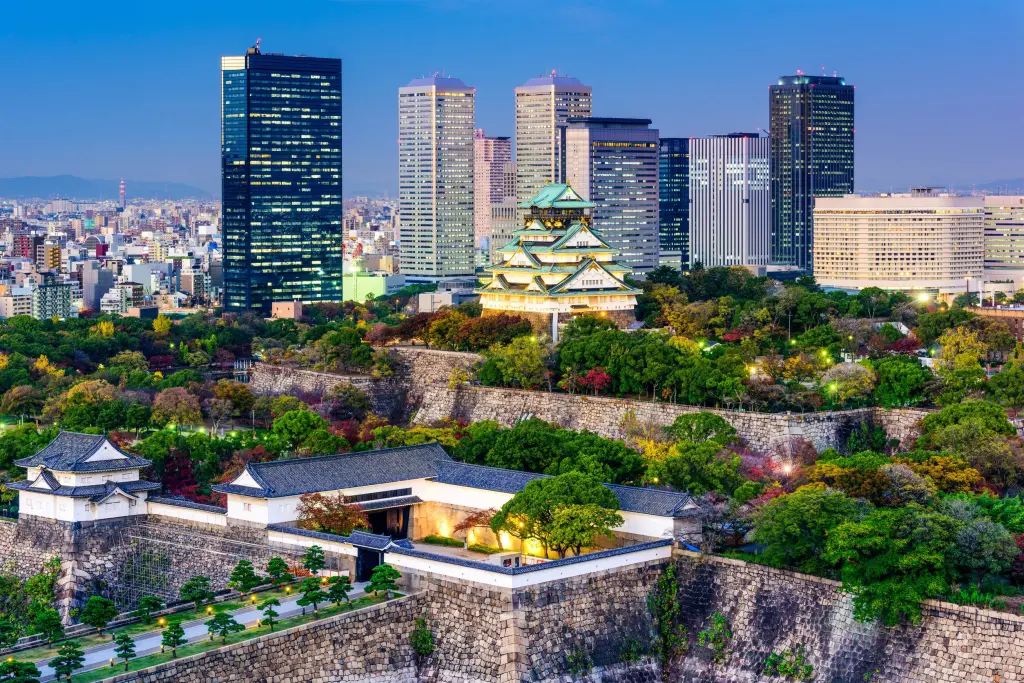
Photo credit: 123RF / sepavo
Short for the Japan External Trade Organization, JETRO is a government-related entity that promotes mutual trade and investment between Japan and the rest of the world. Osaka has, of course, been included in these efforts – the city has been selected as one of Japan’s global startup cities by the government, attracting attention from domestic and foreign investors.
“The number of startups from universities in Osaka has been increasing at a high rate,” Hirai points out. “We see a particularly large increase of firms originating from Osaka University, with some even participating in the Singapore Week of Innovation and Technology (SWITCH) 2021.”
We take a look at three such startups looking to make a global splash.
1. Microwave Chemical
Microwave Chemical Co Ltd uses microwaves for solutions that have little to do with the kitchen.
Chemists are increasingly using microwaves to heat up mixtures to accelerate processes over using oil or water baths — a practice that often requires long hours and large amounts of electricity.
The chemical industry is facing pressure to innovate around its fossil fuel-intensive manufacturing style, says Masahiro Kanno, head of business development at Microwave Chemical. “By using microwaves as an alternative and clean energy source, we can reduce carbon dioxide emissions by 90%. We are the first company that has succeeded in industrializing microwave chemical factories, establishing platform technologies which simplify the design process of microwave reactors.”
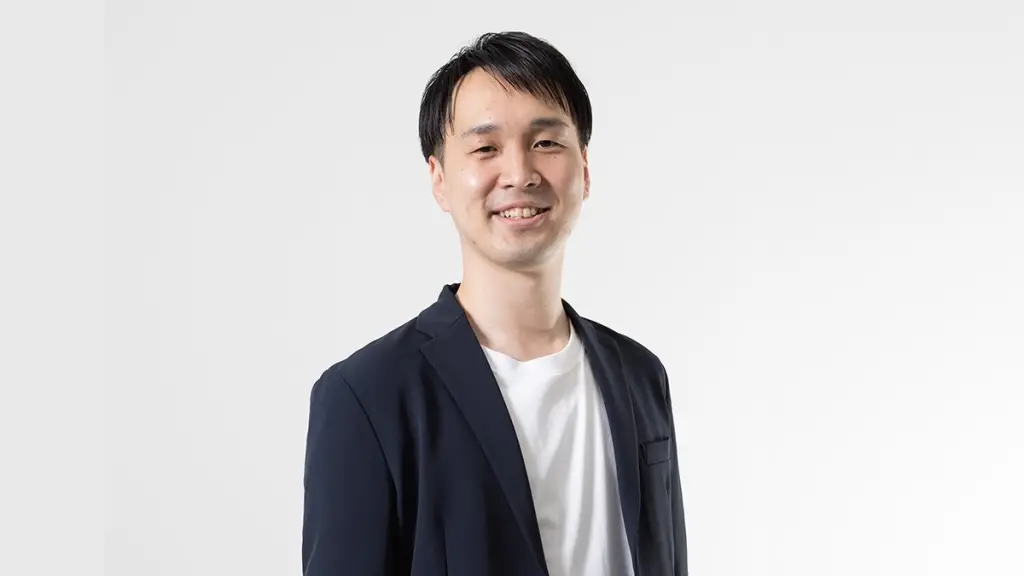
Masahiro Kanno, head of business development at Microwave Chemical / Photo credit: Microwave Chemical
Having started out simply heating materials, the firm is exploring other ways to use microwaves. In November 2021, the company partnered with Mitsui Chemicals to employ microwave technology to recycle plastic waste. The process uses microwaves to degrade plastic and will be powered via renewable energy.
Kanno also mentions that Microwave Chemicals are now looking to partner with clients in the greentech, healthcare, and electronics industries – expansion plans that wouldn’t have been possible without the initial support from the local ecosystem.
“In the beginning, we needed to create a commercial example by ourselves because no one would invest without that evidence,” he says. “The ecosystem provided financial support in the form of capital investment in research and development of the platform technology and the commercialization of our first plant.”
2. PaMeLa
Identifying the intensity of pain is prone to error. While doctors now rely on charts and scales, these results are based on patients’ own reports and are inherently subjective.
“The sensitivity and expression of pain vary greatly depending on individuals, so patients sometimes fail to receive appropriate treatment,” says Tetsurou Honda, president and CEO of Osaka-based PaMeLa Inc. “Inadequate pain treatment can cause severe side effects such as inducing a vegetative state or drug addiction.”
PaMeLa, or the Pain Measurement Laboratory, looks to use big data and artificial intelligence to evaluate the intensity and severity of pain without verbal information from patients. Its flagship device analyzes brain waves to create an objective scale of pain.
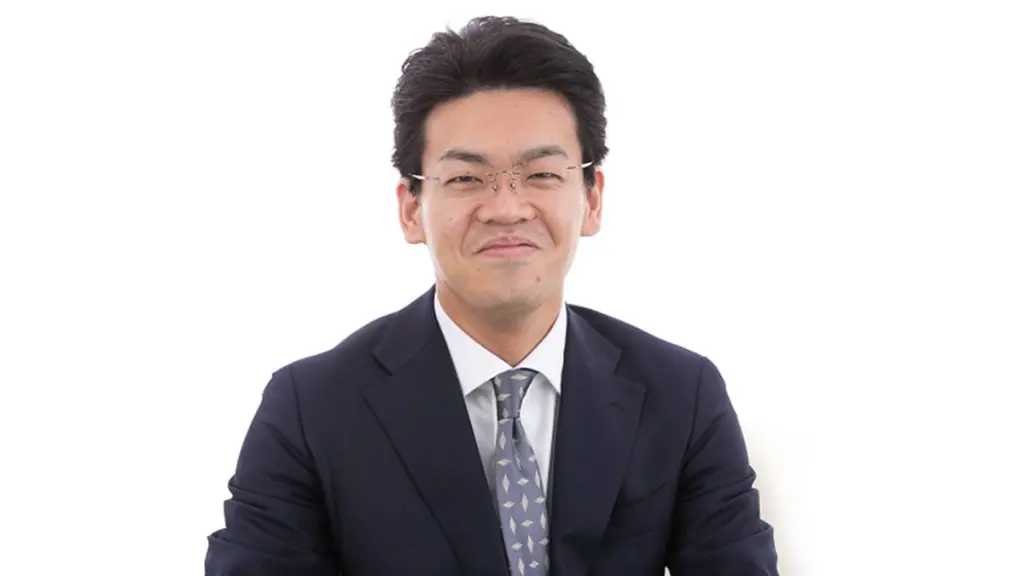
Tetsurou Honda, president and CEO of Osaka-based PaMeLa Inc. / Photo credit: PaMeLa Inc.
Already armed with four patents and funding from sources such as Japan’s Agency for Medical Research and Development and Osaka University, PaMeLa is looking to go global by collaborating with global medical device companies.
“In Osaka, the many scientific universities and research institutes provide a strong foundation for the building of new technologies in the medical and materials fields,” Honda says.
3. Elcyo
Liquid crystal displays are commonly used in televisions, monitors, and cell phones. However, firms are only beginning to use liquid crystals for non-display purposes. Elcyo is one such startup.
Founded in 2019, Elcyo uses liquid crystal lenses to create tunable eyeglasses that can correct a range of eye-related issues, including presbyopia, childhood amblyopia (lazy eye), and myopia.
“At Osaka University Hospital, we met some patients with serious eye diseases like above, and knowing their suffering, we wanted to use our technology to help them,” says Elcyo CEO Sunri Lee. “Resolving presbyopia will increase opportunities for the elderly to play an active role, and resolving childhood amblyopia will stop limiting [childrens’] future.”
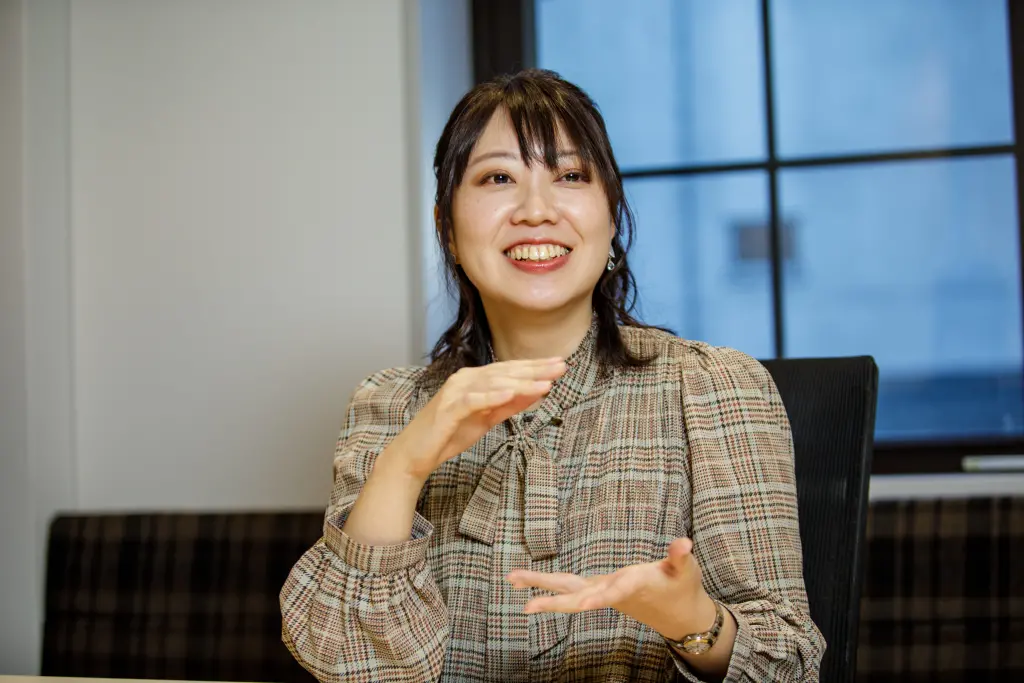
Sunri Lee, Elcyo CEO / Photo credit: Elcyo
Lee also believes that basing Elcyo in Osaka provided invaluable support; OSAP, Osaka City’s accelerator program, mentored Lee’s firm on team building and team management, while the Osaka Prefectural Government and JETRO Osaka supported it with resources at SWITCH 2021.
“We believe that the Osaka tech ecosystem is developing into a mature tech ecosystem that can provide more grants and proper business matching,” Lee says.
Turning to 2025
With the World Expo 2025 taking place in the city, the Osaka Prefectural Government is leaving no stone unturned to accelerate Kansai’s life sciences and new energy-related sectors.
Expo 2025’s theme of “Designing Future Society for Our Lives” has driven many Osaka startups to tackle social problems, says JETRO’s Hirai.
“We expect industries related to well-being will grow in Osaka, and further development of Kansai’s world-class life sciences and biomedical achievements through new innovation can be expected.”
She also notes that Osaka has plans to become a smart city, and energy-related fields of innovation are an indispensable part of that vision.
“Through the promotion of these advanced technologies, we aim to revitalize Osaka’s economy,” Hirai concludes.
JETRO is a one-stop center for foreign startups interested in exploring market potential, setting up, or further expansion into Japan. It is currently looking to facilitate international open innovation activities between Japan and other countries.
Find out more about Osaka’s tech ecosystem and how to collaborate with it on the JETRO website.
This content was produced by Tech in Asia Studios, which connects brands with Asia’s tech community. Learn more about partnering with Tech in Asia Studios.
Stay updated on the go with our mobile app.
Get latest insights with smoother, more personalized experience through TIA mobile app.
Recommended reads
 Life’s a game, and AI agents are Animoca’s new play
 Indonesian AI startup goes global
 Forrest Li on scaling Sea, building smarter bots, and founder grit
 An AI assistant that joins sales calls and scores team skills
 Beyond the check: Why VCs need more than capital
 SGX’s CEO says it doesn’t need a unicorn to win
 SMEs want AI too, but not the kind Big Tech is selling
 Oatside’s alt-milk rise hits a profitable gear
 Alibaba’s financial health in 12 charts
 Asia’s telcos bundle AI into mobile plans. Will it pay off?





Editing by Winston Zhang, Nathaniel Fetalvero, and Arpit Nayak
(And yes, we’re serious about ethics and transparency. More information here.)