- Insights This article was written by a TIA community member. Insights pieces undergo the same rigorous editorial process that newsroom-produced articles have.
 Lace Nguyen · · 6 min read
How to build a scalable growth culture, according to Skyscanner’s former VP of growth
Over the years, Skyscanner’s growth culture has been well-celebrated and documented, with the Medium blog of its engineering team attracting over 2,500 followers.
Instrumental to its culture is Yara Paoli, Skyscanner’s former vice president of growth. Paoli helped scale the company from a small 32-employee startup to a global player with over 1,000 staff members. After Skyscanner, she went on to serve as the interim chief growth officer for the edtech giant Preply, co-found Growth OS, and be an active mentor to startups, including the portfolio founders at venture capital and investment management firm SOSV.

Yara Paoli, Skyscanner’s former vice president of growth
Last month, Paoli talked about the elements of growth at the recent SOSV Virtual Growth Summit.
The most important metric
“We often think about growth in terms of revenue or the number of product releases. But the most important growth is in terms of team members and their morale,” Paoli said.
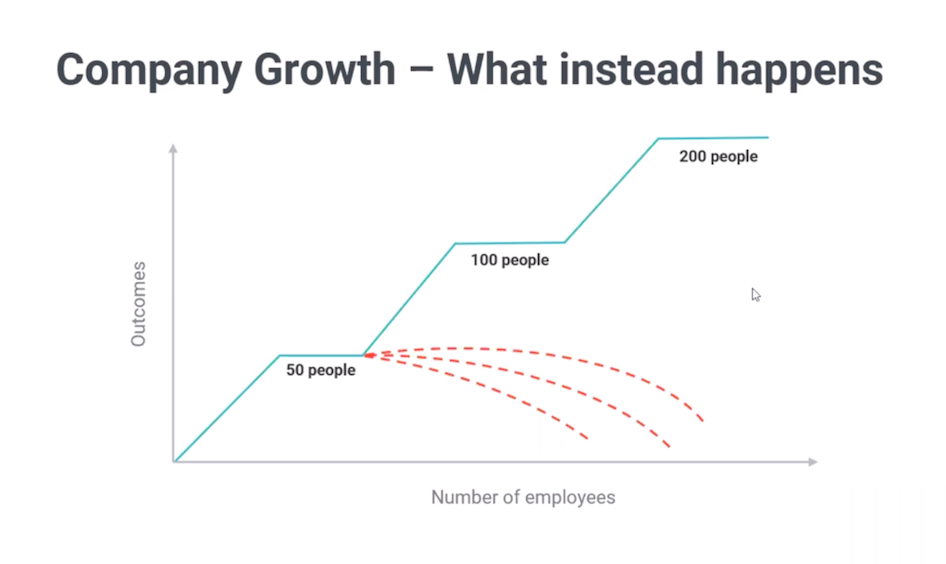
While startup founders usually hope that increasing the number of employees will grow business outcomes, that’s often not the case. For some companies, no matter how many people they hire, the outcomes never follow.
This is because companies throughout their life cycles will incur what is called a “strategic inflection point.” The term was coined by Andrew Grove, the longtime CEO of Intel and one of the most acclaimed personalities of the computer era.
“A strategic inflection point is a time in the life of a business when its fundamentals are about to change. That change can mean an opportunity to rise to new heights. But it may just as likely signal the beginning of the end,” wrote Grove in his book Only the Paranoid Survive.
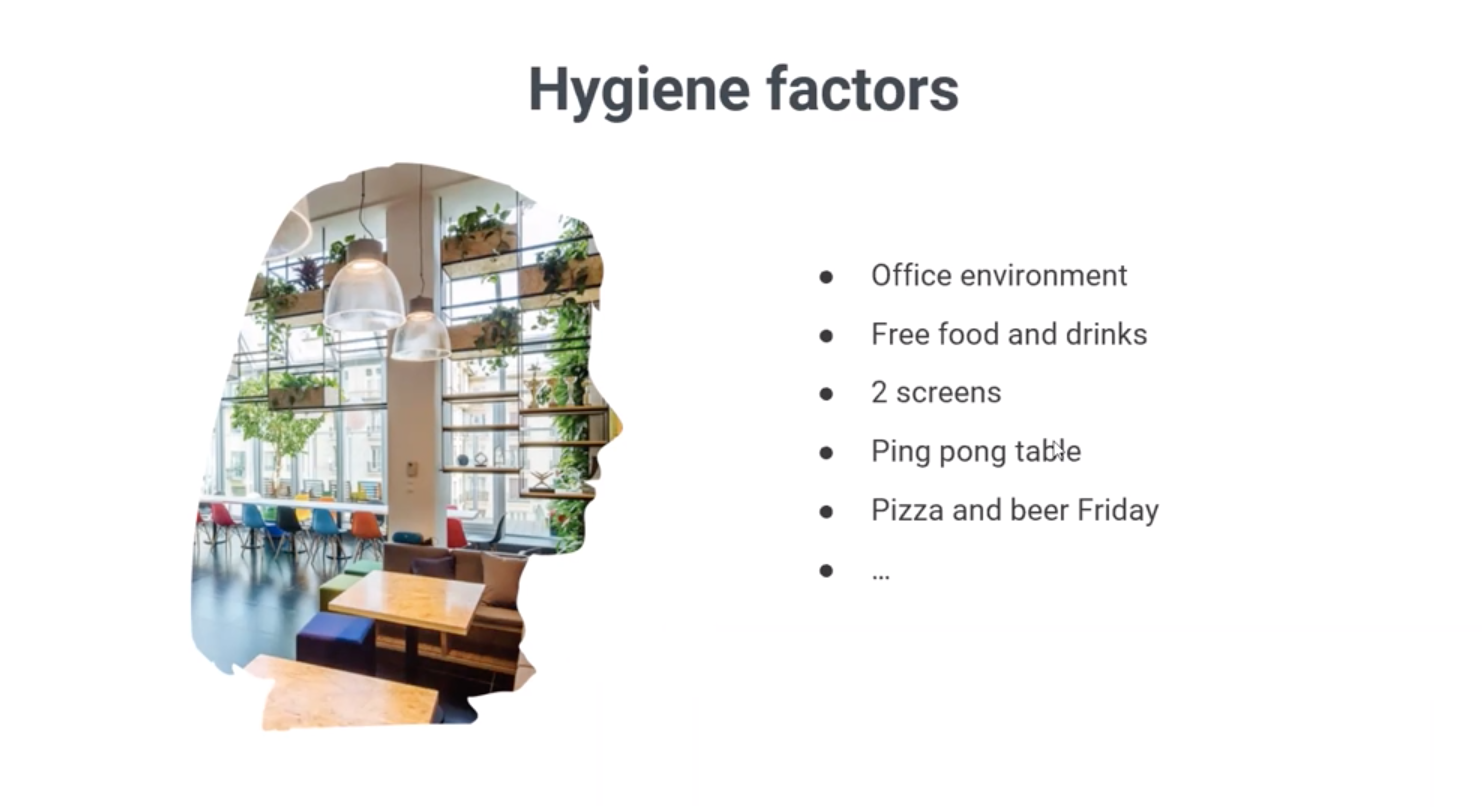
Factor 1: Hygiene factors
Hygiene factors often get confused with “great culture,” even by HR teams. These factors may include great office environments, free food and drinks, two-screen work setups, ping-pong tables, pizza-and-beer Friday, etc.
Most HR professionals focus on these perks because they can be easily paid for, yet they directly lead to growth. But to cultivate growth, companies should focus on it as a holistic discipline.
Factor 2: Growth as a discipline
Factor 3: Team structure to support a growth culture
Factor 4: Growth goals and execution
Factor 5: Psychological security





Stay updated on the go with our mobile app.
Get latest insights with smoother, more personalized experience through TIA mobile app.