- Premium Content It takes our newsroom weeks - if not months - to investigate and produce stories for our premium content. You can’t find them anywhere else.
 Putra Muskita · · 7 min read
Should VCs have many friends or a few buddies?
In part 1 of this series, we looked into how Southeast Asia’s venture capitalists co-invest. Some tend to be agnostic, while others tend to work with a few select “friends.”
But what are the implications of these patterns?
For instance, would startup founders benefit from being aware of these alliances? The short answer is yes – if they’re savvy enough to use it to their advantage.

Photo credit: Swapnil Bapat on Unsplash
Meanwhile, a study from Oxford University’s Said Business School found that US-based VCs “get tired of their friends,” indicating that deeper relationships are linked to lower exit performance. But there are caveats: For instance, relationships built during “wartime” hold up better in the long run. It’s an intriguing point to examine amid the Covid-19 pandemic.
Agnostic firms may have advantages in flexibility, while other firms can count on strong connections with influential conglomerates. But ultimately, Southeast Asia’s tech ecosystem is relatively young, so things are bound to change as it develops further.
Good to know, but not a must
Should founders be mindful of these VC alliances?
An investor from a regional firm who declined to be named doesn’t think so. “Our advice is to not pick funds based on who you can raise subsequent rounds with. [Instead, choose] who can help you build a quality business,” he says. “That’s the best predictor [and] what we recommend for everybody.”
But Justin Hall, a partner at Golden Gate Ventures, says it’s important to be aware of these alliances. For founders in countries like Indonesia, the Philippines, or Thailand, where conglomerates and powerful families have long shaped business culture, this really shouldn’t come as a shock.
“Whether they are institutional rivals, corporates, or even families (with a capital F), there are some entities that will never, ever co-invest with one another, and that has both current and downstream ramifications,” he says.
On the other hand, getting a good, reputable lead with a solid track record of cooperation with other funds is beneficial, Hall explains. It means the founder has access to a wider network of potential investors.
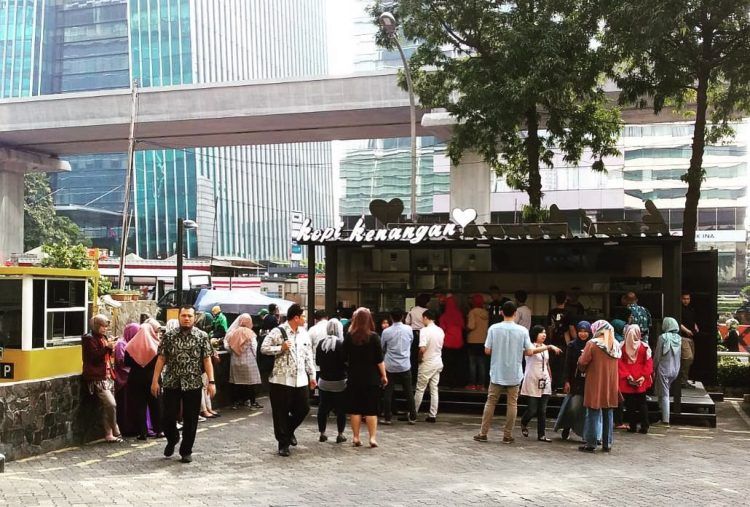
Kopi Kenangan raised its seed round from Alpha JWC Ventures before going on to raise from Sequoia Capital. / Photo credit: Kopi Kenangan
An entrepreneur who has co-founded two startups in the region finds that both notions can be true at the same time.
Should startups be choosy?
For VCs, which approach is better?
Too early
Stay ahead in Asia’s tech landscape
This is premium content. Subscribe to read the full story.
Each approach has its pros and cons, but it may be too early to tell which is best suited for Southeast Asia.
We know this is not ideal. ⌛ Sign up in 20 seconds. Cancel anytime.
Our subscriber community includes professionals from these companies:





Stay updated on the go with our mobile app.
Get latest insights with smoother, more personalized experience through TIA mobile app.











📅 Upcoming Events
22 October 2026
Payoneer x CSPN Summit 2026