- Insights This article was written by a TIA community member. Insights pieces undergo the same rigorous editorial process that newsroom-produced articles have.
 Ziheng Li · · 5 min read
Lessons from the demise of two Chinese grocery delivery pioneers
If you’ve been following the Chinese startup scene for a while, you will have read about the trials and tribulations that online grocery delivery startups have faced in recent months.
Nice Tuan, a leading grocery group-buying player, and MissFresh, one of the pioneers of quick commerce, have both shut down. The speed of these shutdowns has inspired memes on the Chinese internet, where the phrase “20-minute” no longer refers to delivery speed but how quickly mass layoffs take place.
How did some of the most influential players in a rapidly moving space lose pace so quickly? To understand what led to their failures and draw lessons that other startups can learn from, I spoke with several Chinese investors and operators who are close to the companies.
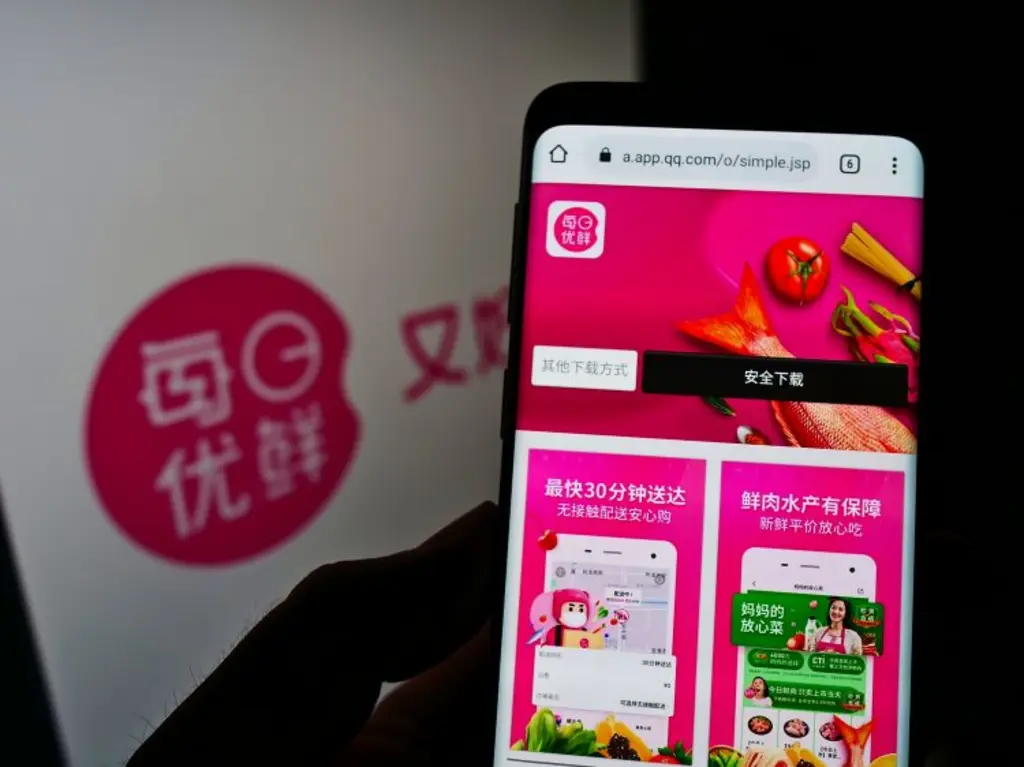
The MissFresh app / Photo credit: Wirestock Creators / Shutterstock
1. Focus on your SKUs
By early 2019, the competition between MissFresh and Dingdong – its key rival in the online grocery space – started to heat up as the latter reached the same level of monthly active users.
In response, MissFresh upgraded its warehouses’ capacity to attract more customers and increase average order value (AOV). The company increased the average warehouse area from less than 150 square meters to 300–500 square meters to store 3,000 stock-keeping units (SKUs) – up from the previous average of 1,000 SKUs.
MissFresh looked to diversify its offerings with imported fruits, seafood, and prepared meals, to drive sales. However, for a brand that started out delivering fresh fruit, many of these new categories didn’t resonate with customers.
These additional SKUs were also expensive and hard to preserve. As a result, the expansion made managing the quality of merchandise much harder, and the wastage ratio skyrocketed. “The wastage of fresh goods once exceeded 30% in the first quarter of its launch in Shanghai,” said sources familiar with the matter.
Lesson learned
On the other hand, Tao Cai Cai, an online community grocery store developed by Alibaba Group, focused on a curated selection of SKUs (about 200 key SKUs) and co-created its own “customer-to-farmer” model with upstream suppliers. Tao Cai Cai gathers customer demand information through end stores and then determines the supply for the farming bases.
By focusing on the supply chain and efficiency improvement, Tao Cai Cai can reduce costs and waste while providing high-quality and low-cost products. A survey conducted by Orient Securities shows Tao Cai Cai is the most preferred grocery platform for consumers who put quality first.
Focusing on fewer SKUs gives Tao Cai Cai better quality control and advantageous pricing, reduces wastage ratios, and builds recognizable brands.
2. Don’t be afraid to cut your losses
According to MissFresh’s latest IPO filings, in 2019, the firm was making about 700 orders per day per store with an average order value of US$12. To reach breakeven or earn a profit, MissFresh needed to at least double the number of orders per day while increasing or maintaining the average order value due to high warehousing costs and overheads.
From 2018 to 2020, despite losing money in Tier-1 cities, MissFresh aggressively doubled the number of its locations and expanded into 10 new Tier 2 cities. Quick commerce is all about competing on convenience and speed rather than on pricing, which requires a customer base with relatively high incomes. This model didn’t work well in Tier 2 cities, where consumers value affordability over time.
Nice Tuan made a similar mistake in expanding too early. In the 10 months from May 2020 to March 2021, Nice Tuan completed four rounds of fundraising, raking in close to US$1 billion. With new capital came aggressive expansion targets.
Lesson learned
3. Innovate carefully
Lesson learned
Blueprint for emerging markets





Stay updated on the go with our mobile app.
Get latest insights with smoother, more personalized experience through TIA mobile app.










📅 Upcoming Events
22 October 2026
Payoneer x CSPN Summit 2026