Dear readers,
Every so often, a tech buzzword surges in popularity and then gets mangled so much that its actual meaning becomes unrecognizable.
“Super app” is one such term. AirAsia wants to be a super app. So do Fave and Deskera. Grab and Gojek say they’re already one.
It’s as if “super app” has become a byword for “unfocused.” Start a dozen businesses, tie them up with a magical thread called “data” or “synergy”, and voila, you’re a unicorn.
Investors and the media (guilty as charged) seem to be fueling this fire.
Let’s examine what sparked the flame. The term, I believe, became mainstream in 2015, thanks to a podcast by venture capital firm Andreessen Horowitz in reference to WeChat. “Chinese apps tend to combine as many features as possible into one application – something we call a ‘super app.’ This is in stark contrast to Western apps, which lean towards app constellations,” said the firm’s general partner Connie Chan.
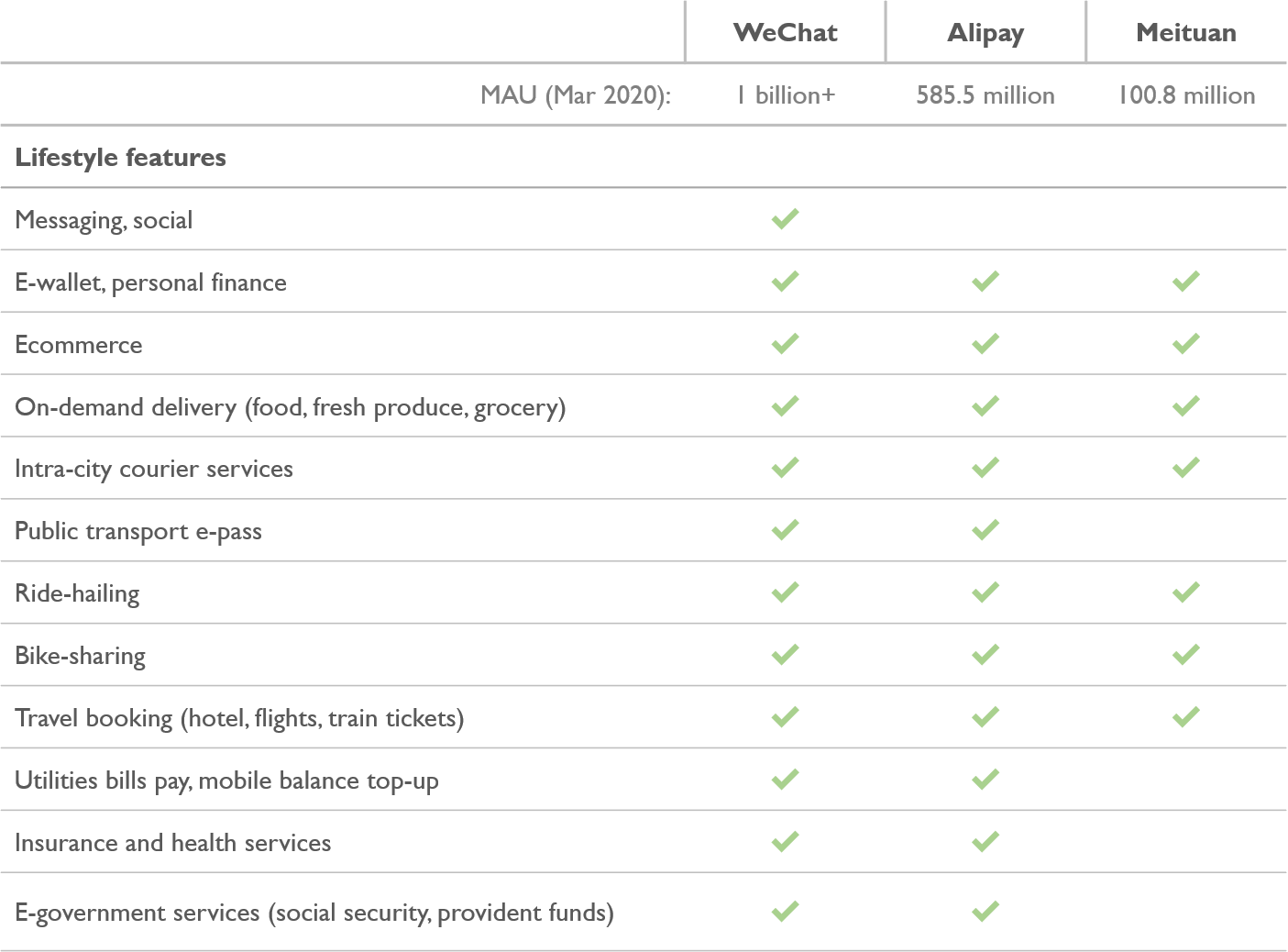
WeChat started out as a popular messaging app. It built on that foundation by adding an e-wallet and allowing users to transact within the app. Next, it gave businesses a way to create mini-apps within the main app. And then WeChat tapped into the immense data it has on users to layer on lucrative credit scoring and financial services.
WeChat’s success, however, has caused some people to have a narrow view of super apps. They dismiss companies like Grab, Gojek, and Paytm as not being “true” super apps.
It’s like discovering ice cream and declaring that vanilla is the best and only flavor. That’s not the case.
Just look at Ant Group’s Alipay, which is taking a different path towards becoming a super app. While WeChat started with chat, Alipay began with payments and then added services and financial services.
Another example is Meituan-Dianping, which also didn’t take the chat route. Instead, it began as a daily deals site, then morphed into a platform for food delivery, lifestyle services, entertainment, travel, and most recently, power bank rentals. The company became profitable in 2019, showing that its approach is working.





Stay updated on the go with our mobile app.
Get latest insights with smoother, more personalized experience through TIA mobile app.