Leighton Cosseboom · · 4 min read
3 ways Indonesia can become more attractive to foreign investors

Indonesia has always been resilient in times of financial hardship. According to a Canadian Trade Commissioner Service report, the archipelago weathered the 2008 global financial crisis particularly well. It outperformed its regional neighbors and even posted growth at a time when the rest of the world was in trouble.
This stability is attractive to overseas investors looking to take a bite out of an emerging market. As the fourth most populous country in the world – where half of its citizens are under 30 – Indonesia has started to generate interest from overseas backers. A few American and Japanese venture capital firms have already started to get their feet wet.
On a quest for real-world problems to solve, more investors from Europe and Mountain View are now exploring Southeast Asia, with Indonesia high on their lists. But before Jakarta can capture a larger investor spread, it needs to work on itself. In no particular order, here are three boxes that Indonesia should tick to make foreign investors start placing more bets on local startups.
1. Improve infrastructure
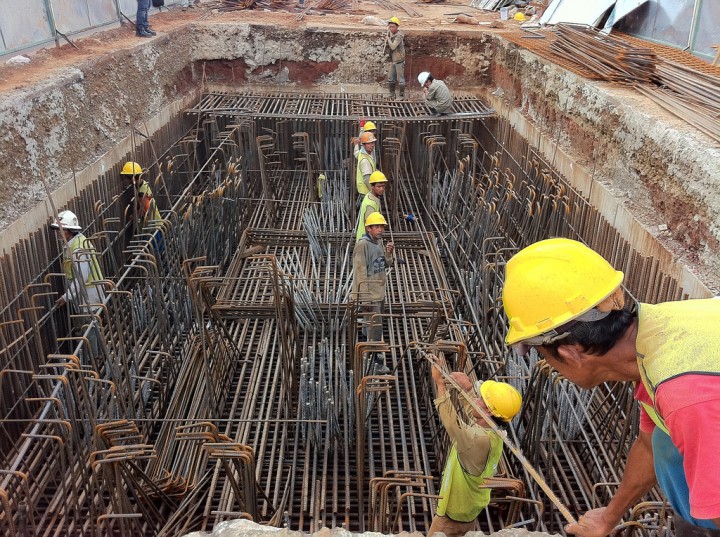
The World Bank’s International Finance Corporation (IFC) says Indonesia’s new push for infrastructure development came the hard way. The local government only realized Jakarta needed better roads and drainage systems after it failed to keep up with its economic expansion. This has resulted in costly business disruptions like power outages over the past decade. “Lack of infrastructure results in bottlenecks, hampering future growth opportunities,” says IFC senior investment officer Karsten Fuelster.
See: US-based Sovereign’s Capital sets up in Jakarta, welcomes early growth-stage companies
Local business portal Indonesia-Investments writes:
Lack of adequate infrastructure causes Indonesia’s logistics costs to rise steeply, thus reducing the country’s competitiveness and attractiveness of the investment climate. […] The main problem for the Indonesian government to invest in the country’s infrastructure is the lack of financial resources. Therefore, private sector participation – both foreign and domestic – is needed.
See: 5 huge challenges any tech business faces in Indonesia
2. Open more business incubators
Forbes contributor Sylvia Vorhouser-Smith says Indonesia’s workforce is inadequate for the requirements of many 21st century jobs, and the local education system can’t pump out skilled graduates fast enough. “To be fair, they’re working on it,” she writes. “But the backlog is enormous and the forward orders are daunting. So talent management is fast getting elevated to critical business issue status.”
3. Build friendlier investment policies





Stay updated on the go with our mobile app.
Get latest insights with smoother, more personalized experience through TIA mobile app.