- Insights This article was written by a TIA community member. Insights pieces undergo the same rigorous editorial process that newsroom-produced articles have.
 Sam Ameen · · 4 min read
How blockchain platform Neo is approaching decentralization
Sam is a TIA Star Contributor and publishes exclusive, high-value content that serves the Asian tech community. Read more from TIA Star Contributors here.
In the crypto world, Neo and its founder, Da Hongfei, need no introduction. Currently the world’s ninth largest cryptocurrency by market cap, Neo is a blockchain project that aims to create a “smart economy” with a distributed network.
The platform’s smart economy incorporates digitized physical assets, digital identity, and proof-of-ownership in their blockchain, with all of these assets having the ability to be traded and leveraged through smart contracts. I recently spoke with Hongfei to learn more about his strategy to build a decentralized blockchain platform in China.
How did the project start?
Hongfei, a self-taught computer programmer, first came across bitcoin in 2011 and immediately became fascinated by the blockchain world. At that time, there was no bitcoin community in China, so Hongfei pioneered the movement until eventually focusing on building his own platform in 2014. He conceived China’s first open-source blockchain project, with an aim to build a compliant ecosystem with a safe and legally binding framework.
The original name of the project was Antshares, derived from the Chinese name which translated to “TinyAnt.” However, Hongfei thought a rebrand was needed when they faced issues securing the domain and conflicts arose with other brands in China, like Ant Financial. In August 2017, Neo was born.

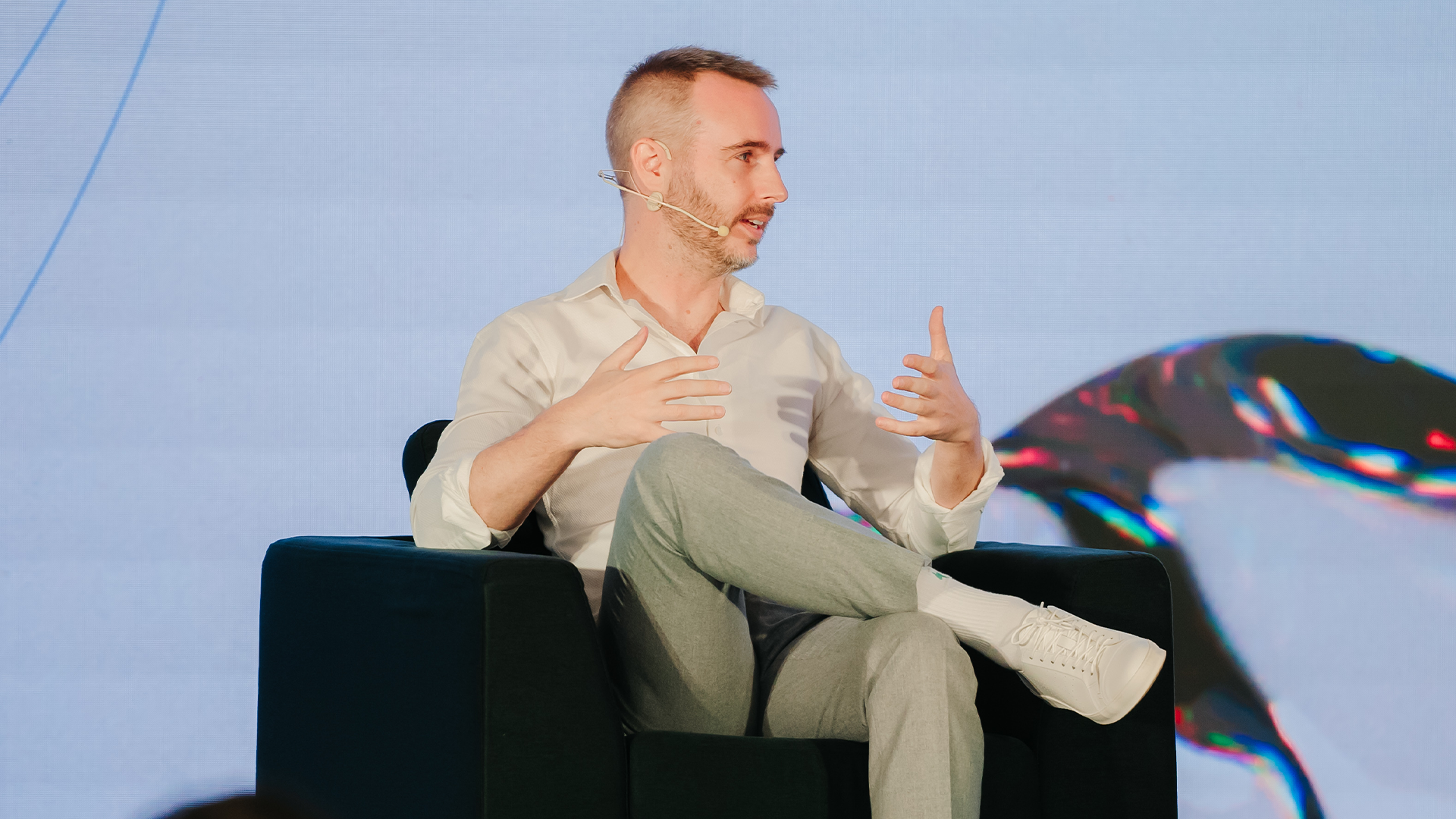
Da Hongfei and the author at Hong Kong’s Token 2049 conference.
Two token sales
Hongfei studied the market for years before launching Antshares, which first ICO’d back in October 2015. It raised US$700,000 at a time where ICOs were a relatively new phenomenon. A year later, they held a second ICO, which raised just over US$3.8 million, with each token selling for US$0.3.
Neo’s market cap has now risen to over US$3 billion, with the token currently priced (at the time of writing) at US$52.
While the platform has enjoyed such growth in the short term, spending time with Hongfei has made me realize that he is a disciplined man with a vision for the long term.
Is it the Ethereum of China?
This comparison is regularly made, but is it accurate?
Hongfei responds, “We started around the same time, but a big difference between Ethereum and Neo is the underlying design philosophy.” According to him, while Ethereum is trying to be a platform for decentralized apps, Neo believes that “blockchain itself and those decentralized apps need to be hybrid.”
Is Neo too centralized?
Entities moving into blockchain
What does the future look like?





Stay updated on the go with our mobile app.
Get latest insights with smoother, more personalized experience through TIA mobile app.